Home & Garden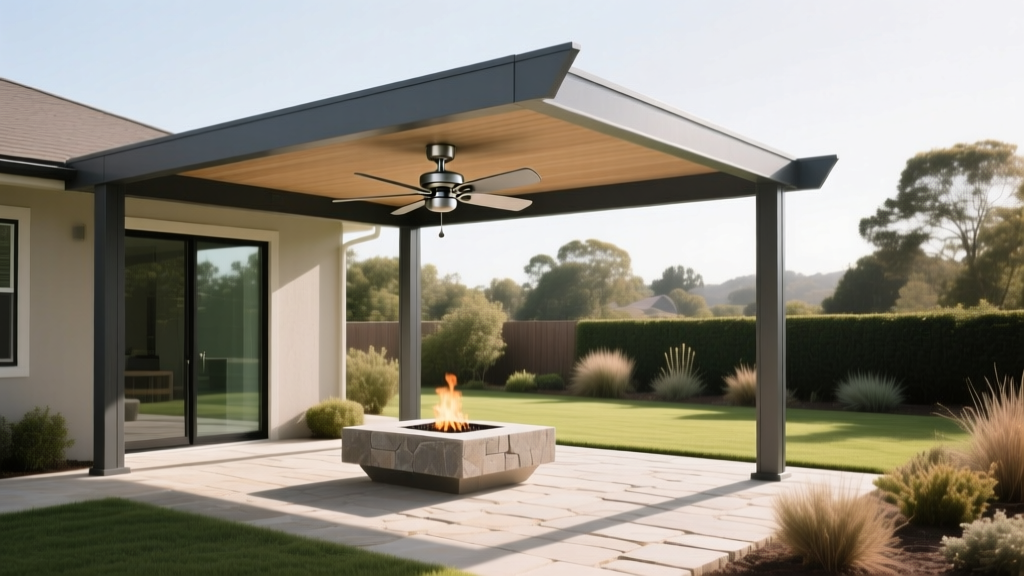
2026 Fire-Resistant Pergolas: Attached vs Freestanding Fan Mounts
Sarah ChenPublished
Introduction to Fire-Resistant Outdoor Living in 2026
As we navigate the 2026 wildfire season, homeowners in the wildland-urban interface (WUI) are fundamentally rethinking their outdoor living spaces. Bridging the gap between indoor comfort and outdoor beauty often involves adding a pergola, but in fire-prone regions, this structure must be designed with rigorous safety standards in mind. A pergola can either act as a protective, non-combustible oasis or become a dangerous wick that carries flames directly to your home. When you add the complexity of electrical wiring for a ceiling fan mount, the stakes are even higher. This guide explores the critical differences between attached and freestanding fire-resistant pergolas, helping you make an informed, code-compliant decision for your 2026 landscaping projects.
Understanding the Home Ignition Zone
Before choosing between an attached or freestanding design, it is vital to understand the concept of the Home Ignition Zone. According to the National Fire Protection Association (NFPA), this zone is divided into three distinct areas: the Immediate Zone (0-5 feet from the home), the Intermediate Zone (5-30 feet), and the Extended Zone (30-100 feet). The placement of your pergola and its fan mount will dictate which materials you can legally and safely use under the 2026 International Wildland-Urban Interface Code (IWUIC).
"In 2026, local building authorities are strictly enforcing Immediate Zone regulations. Any structure attached to the home is considered part of the home itself and must meet the highest standards of ember and flame resistance."
Attached Pergolas: Fire Risks and Mitigation
An attached pergola is anchored directly to the exterior wall or roofline of your house. From a design perspective, it creates a seamless extension of your indoor living area, making it an ideal spot for an outdoor kitchen or lounge. However, from a fire-resistant landscaping perspective, an attached pergola sits squarely in the Immediate Zone (Zone 0).
The Fire Risk of Attached Structures
If an attached pergola is constructed with combustible materials like traditional wood or vinyl, it provides a direct, uninterrupted path for fire and wind-blown embers to reach your home's eaves, vents, and siding. In 2026, fire marshals strongly advise against using any combustible lumber for attached structures in WUI zones.
Fan Mount Considerations for Attached Pergolas
Mounting a ceiling fan on an attached pergola requires routing electrical wiring from your home's interior to the exterior beam. This creates potential vulnerabilities:
- Ember Intrusion: The hole drilled through the exterior wall for wiring must be sealed with fire-rated, high-temperature silicone caulk to prevent embers from entering the wall cavity.
- Conduit Requirements: All exterior wiring must be housed in rigid metal conduit (RMC) rather than PVC, which can melt and expose live wires during a radiant heat event.
- Junction Boxes: Use weatherproof, ember-resistant metal junction boxes rated for outdoor damp locations to house the fan's electrical connections.
Freestanding Pergolas: Defensible Space Advantages
A freestanding pergola is an independent structure placed elsewhere in your yard. Because it does not physically touch the house, it offers significantly more flexibility in terms of materials and placement, provided it respects the Cal Fire Defensible Space Guidelines.
Strategic Placement in Zones 1 and 2
By placing a freestanding pergola in the Intermediate Zone (5-30 feet) or Extended Zone (30-100 feet), you break the continuous fuel path to your home. If a fire were to ignite the pergola, the distance provides a buffer that protects the main structure. In Zone 2, you may even be permitted to use heavy timber or fire-retardant-treated wood, though non-combustible materials remain the gold standard for 2026.
Fan Mount Considerations for Freestanding Pergolas
Powering a ceiling fan on a freestanding structure requires running electricity across your yard. This involves trenching and underground wiring, which must be done carefully to avoid damaging irrigation systems and tree roots.
- Underground Trenching: Direct burial cables must be placed at least 18 inches deep in rigid metal or Schedule 80 PVC conduit to protect against soil shifting and rodent damage.
- Solar-Powered Alternatives: In 2026, high-efficiency solar-powered ceiling fans with integrated battery storage have become a viable, code-compliant alternative to trenching, eliminating the need to connect to the home's main electrical panel entirely.
Comparison Chart: Attached vs. Freestanding Fire-Safe Pergolas
| Feature | Attached Pergola | Freestanding Pergola |
|---|---|---|
| Defensible Space Zone | Immediate Zone (0-5 ft) | Intermediate/Extended (5-100 ft) |
| Permitted Materials (WUI) | Strictly Non-Combustible (Metal, Fiber Cement) | Non-Combustible or Heavy Timber (Zone 2) |
| Fire Risk to Home | High (Direct conduit to eaves/siding) | Low (Buffered by distance) |
| Fan Wiring Method | Through-wall with fire-rated sealing | Underground trench or Solar-powered |
| 2026 Avg. Installation Cost | $5,500 - $9,000 | $4,000 - $7,500 (excluding trenching) |
| Smart Home Integration | Hardwired to home network easily | Requires Wi-Fi extender or solar hub |
Selecting Fire-Resistant Materials for 2026
The Insurance Institute for Business & Home Safety (IBHS) continually updates its Wildfire Prepared Home standards, and the 2026 material recommendations are clearer than ever. To ensure your pergola survives an ember storm, prioritize the following materials:
Aluminum and Galvanized Steel
Powder-coated aluminum and galvanized steel pergola kits are the premier choices for fire-resistant landscaping. They will not ignite, melt at typical wildfire temperatures, or contribute to the fuel load. Modern 2026 manufacturing techniques allow these metals to be stamped and painted to mimic the grain of natural wood without the combustibility.
Fire-Rated Composites
If you prefer a warmer aesthetic, look for composite materials that carry a Class A fire rating. Brands like Trex and Fiberon have released 2026 outdoor beam lines specifically engineered with fire-retardant cores that self-extinguish when exposed to direct flame.
Concrete and Masonry Footings
Regardless of whether the pergola is attached or freestanding, the posts must be anchored in concrete footings or mounted to masonry piers. Exposing the base of the posts to soil and mulch creates a vulnerability where ground fires can ignite the structure from the bottom up.
Ceiling Fan Mounts and Electrical Safety
Installing a ceiling fan in a fire zone requires more than just hanging a motor; it requires protecting the electrical infrastructure from extreme heat and embers. In 2026, outdoor electrical codes in WUI areas mandate the use of ember-resistant fittings.
When mounting the fan to the pergola beam, ensure the fan's canopy covers the junction box completely. Gaps in the canopy can allow wind-blown embers to enter the electrical housing, potentially causing a short circuit or igniting accumulated dust and debris. Use stainless steel mounting brackets rather than plastic or standard zinc, as stainless steel maintains its structural integrity at much higher temperatures.
Smart Home Integration for Outdoor Fans
Smart home technology has evolved to play a crucial role in fire safety. The latest 2026 smart outdoor fans, such as the Hunter Smart Breeze Pro and the Big Ass Fans Haiku outdoor series, feature integrated weather and environmental sensors. These fans can be integrated into your home's smart hub (like SmartThings or HomeKit) to trigger automated safety protocols.
For example, if your local smart weather network issues a high-wind or red-flag warning, the smart hub can automatically shut off the pergola fan and retract any connected smart shades. High winds can turn a ceiling fan into a dangerous projectile or cause the motor to overheat if the blades are forced to spin backward by the wind. Automating this shutoff is a critical, modern layer of fire and storm preparedness.
Landscaping Around the Pergola
The fire resistance of your pergola is only as strong as the landscaping immediately surrounding it. Even a steel pergola can be compromised if it is engulfed by burning vegetation.
- The 5-Foot Rule: Maintain a strict 5-foot non-combustible perimeter around the base of both attached and freestanding pergolas. Use crushed rock, gravel, or pavers instead of wood mulch or pine needles.
- Canopy Clearance: Ensure that no tree branches overhang the pergola. In 2026, arborists recommend a minimum of 10 feet of horizontal clearance between the pergola roof and any tree canopies to prevent leaf litter accumulation and direct flame contact.
- Furniture Selection: Avoid storing combustible outdoor cushions, wicker furniture, or propane tanks under the pergola when not in use. Store them in a fire-rated metal deck box or inside the garage.
Conclusion
Designing a fire-resistant outdoor living space in 2026 requires a careful balance of aesthetics, functionality, and rigorous safety standards. While an attached pergola offers unparalleled convenience and easy smart-home integration for your ceiling fan, it demands the strictest adherence to non-combustible materials and meticulous electrical sealing. Conversely, a freestanding pergola provides a safer buffer for your home and allows for more design flexibility, provided you manage the underground wiring and surrounding defensible space correctly. By choosing Class A materials, respecting the Home Ignition Zone, and utilizing modern smart-fan technology, you can enjoy a cool, breezy outdoor oasis without compromising your home's wildfire resilience.
