Home & Garden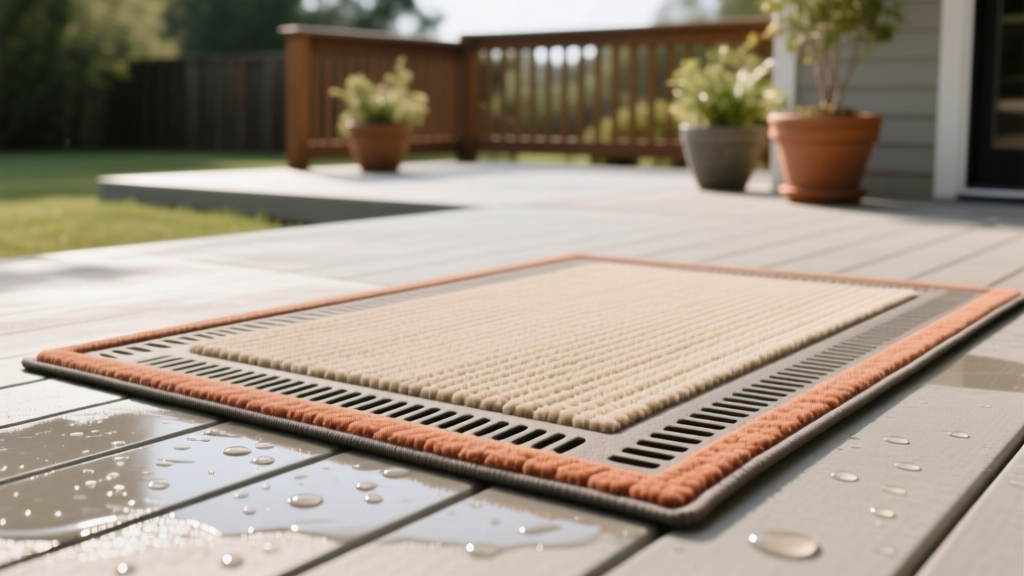
Best Fire-Safe Outdoor Rug Pads: Concrete vs Deck Drainage 2026
Robert HayesPublished
The Intersection of Fire-Resistant Landscaping and Outdoor Decor
As wildfire seasons grow more unpredictable and intense through 2026, homeowners in the Wildland-Urban Interface (WUI) are rethinking every aspect of their exterior spaces. While much attention is rightfully given to fire-resistant landscaping, defensible space, and ember-resistant vents, the furnishings on your patio or deck are often overlooked. Outdoor rugs and their underlying pads sit squarely in the most critical area of your property: the 0-to-5-foot Home Ignition Zone. According to the National Fire Protection Association (NFPA), this immediate zone must be kept free of combustible materials to prevent wind-blown embers from igniting your home.
However, homeowners still want the comfort and aesthetic appeal of outdoor living spaces. The challenge lies in choosing an outdoor rug pad that provides adequate drainage to protect your hardscape while simultaneously mitigating fire risks. The requirements for a rug pad on a non-combustible concrete patio differ vastly from those on a combustible wood or composite deck. In this comprehensive 2026 guide, we break down the dynamics of outdoor rug pad drainage on concrete versus deck surfaces, ensuring your outdoor oasis remains both beautiful and fire-safe.
The Hidden Danger: Drainage, Debris, and Dry Rot
Why does drainage matter for fire safety? At first glance, water and fire seem like opposing forces. However, poor drainage under an outdoor rug creates a cascade of secondary hazards that directly increase your property's vulnerability to wildfires.
- Debris Accumulation: A rug pad that does not allow water to drain freely also traps wind-blown debris such as pine needles, dry leaves, and twigs. In a fire-prone area, a rug sitting flat against a surface acts as a net, catching highly combustible fine fuels. When an ember lands on the rug, these trapped materials can ignite.
- Wood Rot and Splintering: On wooden decks, trapped moisture leads to dry rot, warping, and splintering. Rotted, dry wood becomes highly porous and significantly more susceptible to catching fire from small embers compared to healthy, sealed timber.
- Mold and Material Degradation: Constant moisture degrades the backing of the rug itself, causing synthetic fibers to break down into dry, flaky micro-particles that can serve as unexpected tinder.
To combat these issues, the California Department of Forestry and Fire Protection (CAL FIRE) emphasizes the necessity of maintaining clean, debris-free surfaces in the immediate vicinity of the home. A high-quality, breathable drainage pad is your first line of defense.
Concrete Surfaces: Heat Retention and Non-Combustible Bases
Concrete is a non-combustible material, making it an excellent choice for fire-resistant hardscaping. However, concrete is a thermal mass. During the peak heat of summer 2026, unshaded concrete patios can easily reach surface temperatures exceeding 140°F. This heat retention fundamentally changes how you should approach rug pad drainage and fire safety.
The Ember Smolder Effect on Concrete
When a wind-blown ember lands on an outdoor rug placed directly over concrete, the concrete's retained heat can prevent the ember from cooling and extinguishing. If the rug pad is a solid, non-draining material (like traditional rubber), it traps the heat beneath the rug, creating an environment where a single ember can slowly smolder and eventually ignite the synthetic rug backing.
Best Pad Types for Concrete Drainage
For concrete surfaces, your primary goal is to create an air gap that dissipates heat and allows water and debris to be flushed away by rain or a hose. Open-weave PVC mesh pads are the gold standard for concrete in 2026. These pads elevate the rug by a quarter-inch to a half-inch, allowing cross-breezes to cool the concrete surface and extinguish stray embers before they can ignite the rug. Furthermore, the open grid allows water to evaporate rapidly, preventing the mold growth that can degrade the rug's fire-retardant chemical treatments over time.
Wood and Composite Decks: The Combustible Challenge
Unlike concrete, wood and composite decks are combustible substrates. Decks are historically one of the most common vectors for home ignition during a wildfire. Embers can land on the deck, fall between the board gaps, and ignite the joists below. Adding an outdoor rug to a deck without the proper drainage pad drastically increases this risk.
Airflow is Your Best Firebreak
On a deck, a rug pad must do more than just drain water; it must elevate the rug high enough to allow wind to blow embers completely off the deck rather than trapping them against the wood. If a rug lies flat on a deck, embers will lodge in the weave of the rug, smoldering unnoticed until they burn through to the dry wooden boards below.
Why Solid Rubber is Hazardous on Decks
Never use solid rubber or felt pads on a wooden deck in a fire-prone area. Solid pads trap moisture, accelerating wood rot. More importantly, they create a dark, insulated micro-environment. If an ember makes its way under the edge of the rug, a solid pad will trap the heat and smoke, actively feeding a smoldering fire that can easily ignite the deck boards. Instead, opt for thick, breathable polypropylene grid pads. These provide maximum airflow, ensure rapid water drainage to preserve the deck's structural integrity, and allow you to easily sweep or blow away dry debris that accumulates under the rug's edges.
2026 Material Comparison: Fire Resistance and Drainage
Not all rug pads are created equal. The table below compares the most common outdoor rug pad materials available in 2026, evaluating them on drainage efficiency, ember resistance, and suitability for concrete versus deck surfaces.
| Pad Material | Drainage Efficiency | Ember Resistance Profile | Best for Concrete? | Best for Deck? |
|---|---|---|---|---|
| Open-Weave PVC Mesh | Excellent | High (Allows ember cooling) | Yes | Yes |
| Polypropylene Grid | Excellent | Very High (Elevates rug) | Yes | Yes (Highly Recommended) |
| Solid Recycled Rubber | None | Poor (Traps heat/embers) | No | Hazardous |
| Needle-Punch Felt | Medium | Fair (Holds dry debris) | Fair | No |
Note: Always verify that your chosen rug and pad combination carries a Class A fire rating or has been treated with a UV-stable, exterior-grade fire retardant compliant with 2026 WUI building codes.
Innovations in Fire-Safe Rug Pads for 2026
The outdoor living industry has responded to the growing demand for fire-resistant landscaping with several key innovations this year. In 2026, leading manufacturers have introduced intumescent-coated mesh pads. These specialized pads feature a microscopic coating that swells and forms a protective char barrier when exposed to the extreme heat of an ember, effectively cutting off oxygen and preventing the rug above from catching fire. While slightly more expensive than standard PVC mesh, these pads offer unparalleled peace of mind for homes situated in high-risk wildfire zones.
Additionally, new hydrophobic grid technologies repel water instantly, ensuring that even in heavy spring rains, the pad dries within minutes. This rapid drying prevents the degradation of the deck sealants and maintains the structural integrity of the wood, ensuring your deck remains less susceptible to ignition.
Maintenance: Keeping the Ignition Zone Clear
Even the most advanced, fire-safe, high-drainage rug pad will fail if it is not properly maintained. The Insurance Institute for Business & Home Safety (IBHS) recommends strict maintenance routines for all items within the 5-foot perimeter of your home.
Weekly and Seasonal Action Steps
- The 2-Inch Rule: When cutting your rug pad to size, trim it 2 inches smaller than the rug on all sides. This prevents the pad from acting as a wick for water and stops it from creating a hidden ledge where wind-blown pine needles and dry leaves can accumulate out of sight.
- Weekly Inspections: During peak fire season, lift the corners of your outdoor rugs weekly. Use a leaf blower to clear out any dry debris, pollen, or dust that has settled on the pad or the deck/concrete beneath.
- Post-Storm Flushing: After heavy rains, lift the rug to allow the concrete or deck to dry completely in the sun. This prevents mold on concrete and stops dry rot on wooden decks.
- End-of-Season Storage: If you live in an area with harsh winters or extreme dry seasons, roll up and store both the rug and the pad indoors. Leaving them exposed to UV degradation and winter moisture compromises their fire-retardant properties and drainage capabilities for the following year.
Conclusion
Fire-resistant landscaping extends far beyond choosing the right plants and clearing brush; it encompasses every element of your outdoor living space. By understanding the distinct thermal and combustible properties of concrete versus wood decks, you can select the perfect outdoor rug pad to ensure optimal drainage and maximum fire safety. In 2026, prioritizing breathable, elevated mesh pads over solid rubber alternatives is a critical step in hardening your home against the growing threat of wildfires. Protect your investment, preserve your hardscape, and enjoy your outdoor oasis with the confidence that your home is prepared for whatever the fire season brings.
