Home & Garden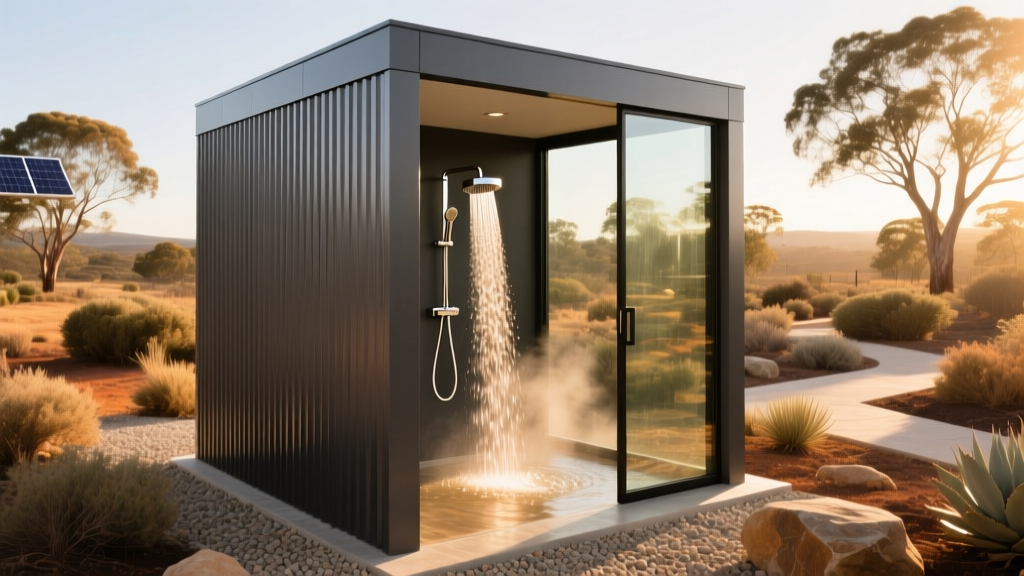
2026 Guide: Fire-Safe Solar Outdoor Shower Enclosures
Anna KowalskiPublished
Bridging Luxury and Safety: The 2026 Outdoor Shower
As we move through 2026, the integration of indoor comforts with outdoor living spaces has reached new heights. Homeowners are increasingly investing in resort-style backyard amenities, with solar-heated outdoor showers topping the list for eco-conscious households. However, for those living in wildfire-prone regions, traditional wood-framed enclosures pose a severe risk. An outdoor shower must not only provide a relaxing, sun-warmed rinse but also adhere to strict fire-resistant landscaping principles.
Building a fire-safe solar outdoor shower enclosure requires a strategic approach to material selection, site placement, and surrounding vegetation. By treating your shower enclosure as a critical component of your home's defensible space, you can enjoy sustainable luxury without compromising your property's safety.
Understanding Defensible Space and Shower Placement
Before breaking ground, it is essential to understand the concept of defensible space. According to wildfire preparedness guidelines, the area immediately surrounding your home is divided into zones designed to slow the spread of fire and protect structures from radiant heat and flying embers.
- Zone 1 (0 to 30 feet from home): This area requires the most stringent fire-resistant measures. If your outdoor shower is located in Zone 1, the enclosure must be constructed entirely of non-combustible or ignition-resistant materials.
- Zone 2 (30 to 100 feet from home): Here, you have slightly more flexibility, but the shower enclosure should still avoid highly flammable woods like cedar or redwood, and the surrounding landscape must be carefully managed.
Pro Tip: Never attach a combustible shower enclosure directly to your home's exterior siding. Embers can easily become trapped in the joints or rooflines of an attached structure, leading to catastrophic home ignition.
Selecting Fire-Resistant Enclosure Materials
The days of relying on treated lumber or bamboo privacy screens in fire zones are over. In 2026, the market offers stunning, architectural-grade materials that provide privacy while boasting a Class A fire rating or complete non-combustibility.
| Material | Fire Rating | Est. 2026 Cost | Pros | Cons |
|---|---|---|---|---|
| Corten Steel Panels | Non-Combustible | $14.00/sq ft | Modern aesthetic, rust patina acts as a shield, zero maintenance | Can get hot in direct sun, requires metal framing |
| Fiber Cement Board | Class A | $6.50/sq ft | Can mimic wood grain, highly durable, rot-proof | Heavy, requires specialized cutting tools |
| Tempered Glass | Non-Combustible | $28.00/sq ft | Maximizes light, easy to clean, premium look | Expensive, requires regular cleaning for privacy |
| Composite Decking (Wall Panels) | Class B/C | $9.00/sq ft | Low maintenance, available in various colors | Can melt under extreme radiant heat, not truly fireproof |
For the framing beneath these panels, abandon traditional pine or cedar studs. Instead, utilize galvanized steel studs or heavy-gauge aluminum framing. These materials will not ignite if embers enter the wall cavity through ventilation gaps.
Solar Water Heating Systems for 2026
Heating your outdoor shower using the sun is both economically and environmentally smart. The U.S. Department of Energy notes that modern solar water heaters can reduce water heating bills by 50% to 80%. For an outdoor shower, you generally have two viable options:
1. Evacuated Tube Solar Collectors
These systems use rows of glass tubes with a vacuum seal to trap heat. They are incredibly efficient, even on overcast days or during cooler shoulder seasons. The 2026 models feature advanced smart controllers that automatically circulate fluid to prevent freezing and manage overheating during peak summer months when shower demand might be low.
2. Passive Solar Shower Towers
For a simpler, off-grid approach, passive solar towers (often made of UV-stabilized, fire-retardant polyethylene or powder-coated aluminum) absorb sunlight directly to heat the water stored inside. While less efficient than active pumped systems, they are cost-effective and easy to install. Ensure any plastic components are rated for high-heat UV exposure and are treated with fire-retardant chemicals to prevent melting from stray embers.
Step-by-Step Installation Guide
Step 1: Site Preparation and Drainage
Proper drainage prevents soil erosion and keeps the area around your shower dry, reducing the chance of mold or rot on nearby structures. Dig a 3-foot by 3-foot pit and fill it with a French drain system using non-combustible crushed gravel. Avoid using wood chips or rubber mulch to cover the drain, as these are highly flammable.
Step 2: Plumbing and Line Protection
Run your water lines underground using copper or PEX piping. Bury the lines at least 18 inches deep to protect them from both freezing temperatures and surface fires. Where the pipes emerge from the ground into the shower enclosure, seal the gaps with fire-blocking caulk or mineral wool to prevent embers from entering the wall cavity.
Step 3: Mounting the Solar Collector
If you are using an active solar thermal panel, mount it on a nearby non-combustible structure, such as a metal-roofed pergola or a ground-mounted galvanized steel rack. Ensure the mounting hardware is rated for high wind loads, as severe weather often accompanies wildfire seasons.
Step 4: Framing and Panel Installation
Assemble your galvanized steel frame, anchoring it securely into concrete footings. Attach your chosen fire-resistant exterior panels (e.g., Corten steel or fiber cement). Leave a 2-inch gap at the bottom of the enclosure for water drainage, but cover this gap with a 1/4-inch metal mesh screen to block wind-blown embers from entering the shower stall.
Fire-Resistant Landscaping Around the Shower
Your enclosure is only as safe as the plants surrounding it. The National Fire Protection Association emphasizes that landscaping choices play a pivotal role in a home's survivability during a wildfire. When designing the privacy borders and pathways leading to your outdoor shower, follow these fire-smart planting rules:
- Choose High-Moisture Plants: Succulents, agave, aloe, and ice plant (Delosperma) store water in their leaves and are highly resistant to ignition.
- Avoid Volatile Oils: Never plant eucalyptus, juniper, rosemary, or lavender within 30 feet of your shower enclosure or home. These plants contain highly flammable resins and oils that can explode into flame when exposed to radiant heat.
- Maintain Hardscaping: Use decomposed granite, flagstone, or poured concrete for the pathway leading to the shower. Keep a 5-foot non-combustible perimeter immediately surrounding the shower base clear of all vegetation and organic debris.
"In 2026, the most successful outdoor living designs are those that treat fire resistance not as an afterthought, but as the foundational aesthetic. A Corten steel shower enclosure surrounded by a minimalist gravel garden and architectural succulents is not just safe—it is the pinnacle of modern, resilient landscape architecture."
Seasonal Maintenance and Winterization
Even fire-resistant landscapes require maintenance. As we enter the dry months, regularly inspect the roof or top edge of your shower enclosure for accumulated pine needles, dead leaves, or wind-blown debris. These small accumulations can easily be ignited by a stray ember, potentially compromising the enclosure's integrity or spreading fire to nearby structures.
During the winter months, properly winterize your solar heating system. Drain passive towers completely to prevent freeze-cracking, and ensure the antifreeze mixture in your active evacuated tube systems is tested and topped off according to the manufacturer's 2026 specifications.
Conclusion
Installing an outdoor shower with a solar-heated enclosure is a brilliant way to elevate your garden experience while embracing sustainable energy. By prioritizing fire-resistant materials like Corten steel and fiber cement, utilizing non-combustible framing, and surrounding the space, you ensure that your backyard oasis remains a sanctuary, not a liability. As wildfire seasons continue to challenge homeowners, adapting our outdoor living spaces to meet the demands of nature is the smartest investment we can make in our properties.
