Home & Garden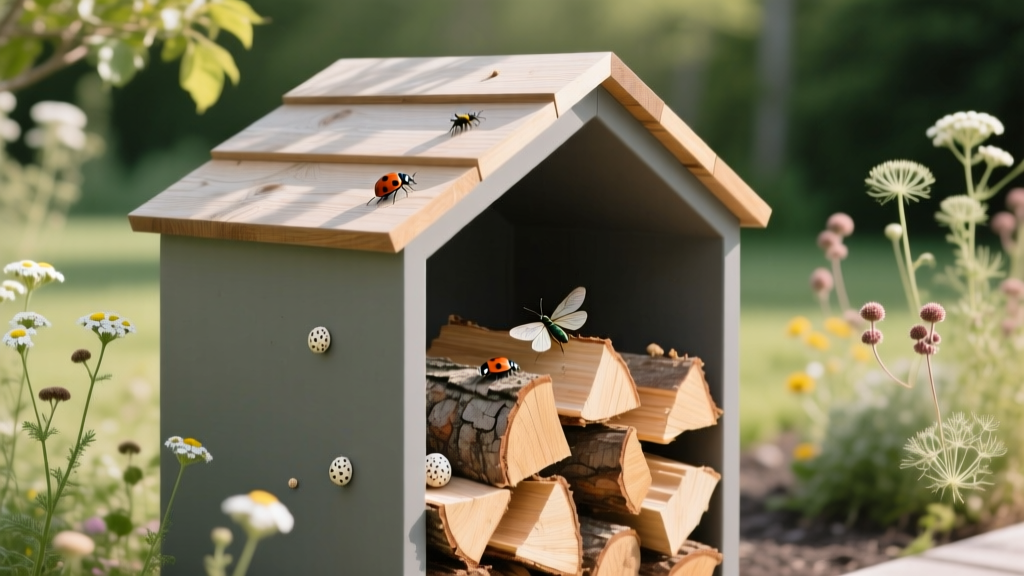
Firewood Storage 2026: Covered vs Open Racks for Beneficials
James MillerPublished
The Intersection of Firewood Storage and Garden Bio-Control
As we navigate the 2026 gardening season, holistic landscape management requires us to look beyond the obvious flower beds and vegetable patches. Every corner of your property serves a distinct ecological purpose, and your firewood storage area is no exception. While most homeowners view a firewood rack purely as a utilitarian structure for seasoning timber, entomologists and bio-control experts recognize it as a critical micro-habitat. The decision between using a covered firewood rack versus an open-air seasoning method directly impacts the overwintering survival rates of beneficial insects, predatory beetles, and essential pollinators that keep your garden thriving.
In this comprehensive 2026 guide, we will explore how your firewood storage strategy influences local bio-control networks. By understanding the ecological mechanics of the woodpile, you can optimize your storage setup to maximize predatory insect populations while minimizing the risk of structural pests invading your home.
The Ecology of the Firewood Pile: A Micro-Habitat
A stack of firewood is far more than just fuel; it is a complex, multi-layered ecosystem. The crevices between bark and wood, the decaying fungal networks on the outer logs, and the shaded, humid spaces at the base of the pile create ideal overwintering refuges. According to entomologists at the University of Kentucky, firewood piles are primary overwintering sites for a vast array of arthropods. While this includes pests like carpenter ants and termites, it is equally vital for beneficial bio-control agents.
Predatory ground beetles (Carabidae), lady beetles (Coccinellidae), green lacewings, and solitary native bees frequently seek shelter in wood stacks to survive freezing winter temperatures. When spring arrives, these insects emerge and immediately begin patrolling your garden, consuming aphids, slugs, and caterpillars. Disrupting this habitat through improper storage methods can severely reduce the natural bio-control forces available to your landscape in the spring.
Open-Air Seasoning: A Haven for Bio-Control Agents?
Open-air seasoning involves stacking firewood directly on racks or pallets without a protective roof or tarp. This method exposes the wood to natural sunlight, wind, and precipitation.
The Bio-Control Benefits of Open-Air Storage
From a biological control perspective, open-air seasoning offers significant advantages. The natural fluctuations in moisture encourage the growth of saprophytic fungi on the outer layers of the wood. These fungi feed micro-arthropods like springtails and mites, which in turn attract and sustain predatory insects such as the spined soldier bug (Podisus maculiventris) and various ground beetles throughout the winter and early spring.
Furthermore, open-air racks provide easier access for solitary bees and beneficial wasps seeking deep crevices for nesting or overwintering. The Xerces Society emphasizes on their pollinator conservation resources that undisturbed, natural wood structures are vital for native bee populations, many of which are crucial for early-spring garden pollination and pest management.
The Drawbacks: Pest Risks and Wood Degradation
However, open-air seasoning is not without risks. The same moisture that supports beneficial fungal networks also attracts wood-destroying organisms. Penn State Extension notes in their firewood and insect guidelines that prolonged exposure to rain and soil moisture can invite termites and carpenter ants. If your open-air rack is placed too close to your home's foundation, you risk bridging these structural pests directly into your house. Additionally, open-air wood takes significantly longer to season, often retaining a moisture content above 30%, which makes it inefficient for burning and prone to excessive creosote buildup.
Covered Firewood Racks: Protecting Wood and Managing Microclimates
Covered firewood racks utilize a roof structure—ranging from heavy-duty 2026-model polycarbonate panels to breathable, UV-treated canvas tarps—to shield the top of the wood stack from rain and snow while leaving the sides open for airflow.
Impact on Beneficial Insects
Covering your firewood drastically alters the microclimate of the pile. By keeping the top layers dry, you inhibit the growth of the fungi that form the base of the woodpile food web. Consequently, the population of fungivorous insects drops, which can reduce the number of predatory beetles that overwinter in the stack. Furthermore, solid covers can block the entry points for beneficial insects seeking deep, sheltered crevices, effectively reducing the woodpile's capacity as a bio-control nursery.
The Advantage for Human Utility
Despite the ecological trade-offs, covered racks are vastly superior for the primary purpose of firewood: burning. A covered rack allows wood to season down to the optimal 15-20% moisture content much faster. It also prevents the outer layers of wood from rotting, ensuring you get the maximum heat output per cord. The key for the eco-conscious gardener in 2026 is finding a compromise that protects the wood while preserving the lower, outer edges of the stack for beneficial insects.
Covered vs. Open-Air: 2026 Comparison Chart
To help you decide which method best suits your garden's bio-control needs and your heating requirements, review the comparison table below.
| Feature | Open-Air Seasoning | Covered Rack Storage |
|---|---|---|
| Beneficial Insect Support | High (Supports fungal food webs and deep crevice nesting) | Moderate (Limits top-layer habitat, but sides remain open) |
| Wood Seasoning Speed | Slow (12-18 months depending on climate) | Fast (6-9 months with proper side-airflow) |
| Structural Pest Risk | High (Attracts termites/ants if in contact with soil) | Low to Moderate (Keeps wood drier, deterring some pests) |
| Moisture Content (End) | 25% - 40% (Prone to re-wetting) | 15% - 20% (Optimal for clean burning) |
| Solitary Bee Habitat | Excellent (Accessible bark crevices) | Good (Only on the exposed outer edges) |
Smart Home Integration: Monitoring the Woodpile Microclimate
In 2026, integrating smart home technology into outdoor spaces is easier than ever, allowing you to balance wood seasoning with insect habitat management. Using wireless outdoor hygrometers and smart temperature probes placed deep within your firewood stack allows you to monitor the microclimate in real-time. Devices like modern smart sensor arrays can alert your phone when the internal stack humidity drops below 40% (which may be too dry for certain beneficial overwintering larvae) or rises above 60% (risking wood rot and structural pest attraction). By tracking this data, you can adjust your breathable side-covers or selectively expose parts of the rack to maintain the perfect equilibrium for both dry firewood and thriving bio-control agents.
Best Practices for Bio-Friendly Firewood Storage in 2026
You do not have to choose entirely between dry firewood and a thriving garden ecosystem. By implementing the following actionable strategies, you can maintain a highly effective bio-control habitat while ensuring your firewood is ready for the stove.
- Elevate the Base: Always use a powder-coated steel rack or pressure-treated timber base to elevate the bottom row of wood at least 6 inches off the ground. This prevents direct soil contact, deterring subterranean termites while still allowing ground beetles to access the lower logs.
- The 'Half-Cover' Technique: Use a covered rack, but only cover the top two-thirds of the stack with your tarp or roof. Leave the bottom third and the outer edges completely exposed to the elements. This preserves the damp, fungal-rich environment at the base for predatory insects while keeping the bulk of your firewood dry.
- Strategic Placement: Position your firewood rack at least 30 feet away from your home's foundation to prevent structural pests from migrating indoors. However, place it within 50 feet of your primary garden beds so that emerging spring beneficials have a short flight path to your crops.
- Rotate the Stack Annually: Never let firewood sit for more than one full year. Older, deeply decayed wood loses its structural integrity and becomes a magnet for destructive pests rather than beneficial predators. Burn the oldest wood first and restock with fresh-cut timber in the spring.
- Leave a 'Wild Corner': Dedicate one small, uncovered section of your rack specifically for bio-control. Stack irregular, bark-heavy logs here and intentionally leave them to weather. This sacrificial section will serve as the primary nursery for your garden's beneficial insect population.
Conclusion: A Balanced Approach to Landscape Ecology
The way you store your firewood is a powerful, often overlooked tool in your garden's bio-control arsenal. While open-air seasoning provides the most robust habitat for beneficial insects and pollinators, it compromises the quality of your firewood and increases pest risks. Conversely, fully covered racks protect your fuel supply but can sterilize the micro-habitat needed by predatory beetles and solitary bees. By utilizing strategic half-covering, smart moisture monitoring, and intentional rack placement, you can enjoy the best of both worlds in 2026: a warm, efficient fire for the winter, and a vibrant, pest-resistant garden fueled by natural bio-control agents in the spring.
