Home & Garden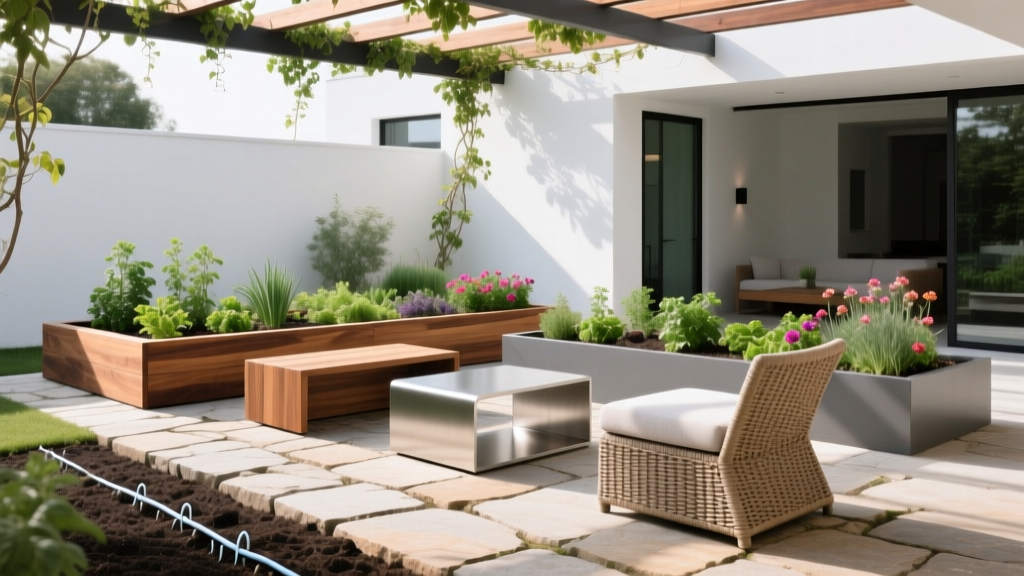
Best Outdoor Furniture for Foodscaping: 2026 Durability Guide
Anna KowalskiPublished
The Rise of the Immersive Foodscape in 2026
In 2026, the concept of the backyard has completely transformed from a simple expanse of turfgrass into a highly productive, immersive edible landscape. Homeowners and urban gardeners are no longer hiding their vegetable patches in the back corner of the lot. Instead, the modern foodscaping movement integrates raised cedar beds, fruit tree orchards, and sprawling herb spirals directly into the primary outdoor living and dining areas. As the National Gardening Association notes in their recent reports on sustainable landscaping, blending aesthetic outdoor living spaces with functional food production is the defining garden trend of the decade. However, placing your favorite outdoor dining sets and lounge chairs directly adjacent to active garden beds introduces a unique set of durability challenges that standard patio furniture simply isn't built to withstand.
Unique Durability Challenges in Edible Landscapes
Unlike a standard manicured lawn or a sterile concrete patio, an edible landscape is a dynamic, messy, and highly active environment. When selecting outdoor furniture for a foodscape, you must account for several aggressive environmental factors:
- Moisture and Irrigation: Drip lines, soaker hoses, and overhead sprinklers frequently overshoot their targets, keeping furniture legs perpetually damp.
- Organic Fertilizers and Soil Amendments: Splatters from compost tea, fish emulsion, and liquid kelp can stain porous materials and attract pests if not properly sealed.
- Acidic Plant Matter: Fallen fruit from citrus trees, tomatoes, and berries can degrade certain finishes and cause permanent discoloration on natural woods.
- High Foot Traffic and Tool Impact: Harvesting requires moving around the furniture with wheelbarrows, metal trowels, and heavy buckets of soil, leading to scratches and dents.
To navigate these challenges, gardeners are primarily choosing between three dominant materials: teak, aluminum, and resin wicker. Let us break down how each material performs in the rigorous environment of a 2026 edible landscape.
Teak: The Traditional Heavyweight
Grade-A teak has long been the gold standard for outdoor furniture, prized for its dense grain and high natural oil content. In a foodscape setting, teak offers exceptional resistance to the constant moisture found near raised beds and rain gardens. The natural oils prevent rot, warping, and fungal growth, which is critical when furniture is placed on damp mulch or soil.
However, sourcing teak in 2026 requires strict attention to sustainability. Always look for certification from the Forest Stewardship Council (FSC) to ensure the wood was harvested from responsibly managed plantations rather than contributing to deforestation. While teak is incredibly durable, it is not immune to the realities of organic gardening. If left untreated, teak will weather to a silvery-gray patina. While many gardeners love this rustic look that blends beautifully with a permaculture forest, the porous nature of weathered teak can absorb spills from organic liquid fertilizers and dark berry juices. To maintain its honey-brown color and stain resistance in an active garden, you must apply an eco-friendly, plant-safe teak sealer annually, ensuring the runoff will not harm your nearby root vegetables or soil microbiome.
Aluminum: The Lightweight Harvester’s Choice
Powder-coated aluminum has seen massive technological leaps in recent years, making it a top contender for the modern foodscape. The primary advantage of aluminum in an edible garden is its weight and maneuverability. Crop rotation and seasonal planting often require you to reconfigure your garden layout. Aluminum dining sets can be easily moved by a single person to accommodate the expanding canopy of summer squash or to chase the shifting sunlight patterns in your orchard.
From a durability standpoint, aluminum is entirely rust-proof, making it ideal for placement directly over drip irrigation lines or near water features used for aquaponics. The 2026 generation of marine-grade powder coatings provides a highly impermeable shell that resists chipping and scratching from errant gardening tools. Furthermore, aluminum is non-porous. When you accidentally splash compost tea or neem oil onto an aluminum table, it can be wiped clean instantly without leaving a stain. According to EPA's guidelines on safe pest control and organic gardening, maintaining a clean environment free of decaying organic residue is key to deterring unwanted pests; aluminum's smooth surfaces make it the most hygienic choice for outdoor dining right next to the compost station.
Resin Wicker: The Modern All-Weather Weaver
High-Density Polyethylene (HDPE) resin wicker offers the classic, elegant aesthetic of woven rattan but is engineered to survive the harsh realities of outdoor living. In 2026, UV inhibitors are integrated directly into the resin during the extrusion process, meaning the wicker will not become brittle or fade, even when placed in the unshaded center of a sprawling vegetable plot.
Resin wicker is highly resistant to moisture and will not rot, mold, or mildew, even in the humid microclimates created by dense tomato vines or sprawling pumpkin patches. However, the woven texture presents a distinct challenge in the edible landscape: dirt, pollen, and fine mulch particles can easily become trapped in the crevices. If you are placing resin wicker near a heavily trafficked raised bed, you will need to clean it regularly with a soft-bristle brush and a mild soap solution to prevent the buildup of organic matter that could harbor slugs or snails. Despite this maintenance requirement, high-quality HDPE wicker remains a favorite for creating cozy, shaded reading nooks beneath the canopy of dwarf fruit trees.
2026 Foodscape Furniture Comparison Chart
| Material | Moisture & Rot Resistance | Organic Stain Resistance | Mobility (Weight) | 2026 Avg. Cost (5-Piece Set) | Best Foodscape Zone |
|---|---|---|---|---|---|
| Grade-A Teak | Excellent (Natural Oils) | Moderate (Requires Sealing) | Heavy (Difficult to move) | $2,800 - $4,500 | Zone 2: Orchard Lounging |
| Powder-Coated Aluminum | Excellent (Rust-Proof) | Excellent (Non-Porous) | Lightweight (Highly Mobile) | $1,200 - $2,500 | Zone 1: Herb & Veggie Beds |
| HDPE Resin Wicker | Excellent (Synthetic) | Good (Crevices trap soil) | Medium | $1,500 - $3,200 | Zone 3: Perimeter Borders |
Strategic Placement in Your Permaculture Zones
Integrating furniture into your edible landscape requires a thoughtful approach to permaculture zoning. By matching the material to the specific microclimate and usage pattern of each zone, you can maximize both the lifespan of your furniture and the yield of your garden.
Zone 1: Herb Spirals and Patio Dining
Zone 1 is the area closest to your kitchen door, featuring high-maintenance, daily-harvest crops like culinary herbs, salad greens, and cherry tomatoes. This area sees the highest foot traffic and the most frequent use of liquid fertilizers. Aluminum is the undisputed champion here. Its lightweight nature allows you to shift chairs out of the way when pushing a wheelbarrow of compost, and its non-porous surface ensures that daily spills from harvesting and prep work can be sanitized quickly.
Zone 2: Orchard Lounging and Berry Patches
Zone 2 typically houses dwarf fruit trees, berry bushes, and larger perennial crops that require less daily attention but create heavy shade and drop acidic fruit. Teak excels in this environment. The heavy, solid wood won't blow over in the wind corridors between orchard rows, and its natural resilience handles the damp, shaded soil beneath a peach or apple tree canopy beautifully. Just be sure to sweep fallen, rotting fruit off the wood promptly to prevent acidic etching.
Zone 3: Perimeter Borders and Pollinator Gardens
The outer edges of your property often feature wilder pollinator gardens, native edible shrubs, and winding pathways. Resin Wicker lounge sets are perfect for creating destination seating areas in these quieter, less trafficked zones. The aesthetic of woven wicker blends seamlessly with the wilder, untamed look of a native foodscape border, providing a comfortable retreat for observing the bees and butterflies that keep your garden productive.
Maintenance for the Organic Gardener
Maintaining outdoor furniture in an edible landscape requires a delicate balance. You must keep the furniture clean and protected without using harsh chemical solvents that could leach into your soil and contaminate your food supply. Always opt for plant-based, biodegradable cleaners. A simple mixture of warm water, white vinegar, and a few drops of castile soap is highly effective for removing algae, soil splatter, and organic stains from all three materials. For aluminum and resin wicker, a gentle rinse with a garden hose is usually sufficient; avoid high-pressure power washing, which can strip protective powder coatings and force water into the weaves of synthetic wicker.
Final Thoughts for Your 2026 Harvest
As the line between the garden and the living space continues to blur in 2026, your outdoor furniture must work just as hard as your crops. Whether you choose the timeless, heavy-duty resilience of FSC-certified teak for your orchard, the hygienic, lightweight agility of powder-coated aluminum for your raised beds, or the classic, weather-defying weave of HDPE resin for your pollinator borders, understanding the unique demands of the edible landscape is the key to a long-lasting investment. By selecting the right material for your specific permaculture zone, you can create a beautiful, functional outdoor dining experience that sits right at the heart of your backyard harvest.
