Home & Garden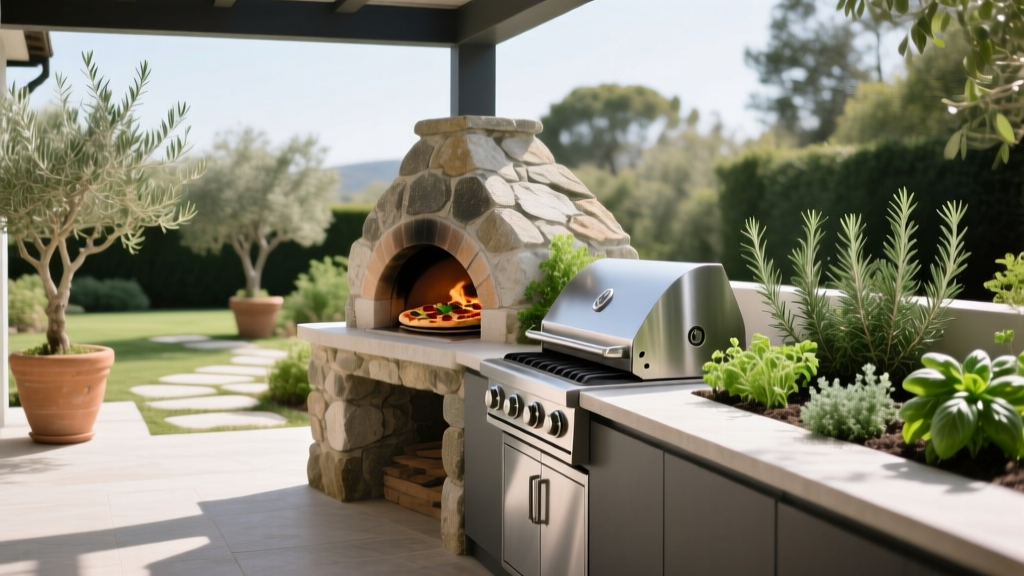
Foodscaping Your 2026 Outdoor Kitchen: Grill & Pizza Oven
Anna KowalskiPublished
The Intersection of Foodscaping and Outdoor Culinary Spaces
In 2026, the concept of the backyard has evolved far beyond a simple lawn and patio. Today, homeowners are embracing "foodscaping"—the art of integrating edible plants into ornamental landscape designs—and pairing it with high-end outdoor culinary spaces. An outdoor kitchen featuring a built-in grill and a masonry pizza oven is no longer just a place to cook; it is the functional and aesthetic anchor of a thriving, edible landscape. By bridging the gap between garden harvest and garden-to-table cooking, you can create a seamless flow from soil to skillet.
Designing the Flow: From Garden Harvest to Prep Station
When designing an outdoor kitchen with a built-in grill and pizza oven from a foodscaping perspective, spatial flow is paramount. The journey of an ingredient should be short and intuitive. In 2026, landscape architects recommend the "Three-Zone Harvest Layout," which positions your edible plantings based on their culinary relationship to your cooking appliances.
Zone 1: The Pizza Oven Herb Spiral
Wood-fired pizza ovens generate immense ambient heat, often exceeding 800°F inside the chamber and radiating significant warmth outward. To protect delicate plants while keeping essential pizza toppings within arm's reach, construct a raised herb spiral using heat-retaining materials like Corten steel or stacked stone. Position this spiral adjacent to the side of the oven that is shielded from the prevailing wind. Plant woody, heat-tolerant herbs like rosemary, thyme, and oregano on the upper, drier tiers of the spiral. Reserve the cooler, moister base for sweet basil and flat-leaf parsley. This ensures that when you are stretching dough, your fresh garnishes are literally a step away.
Zone 2: The Grill Master’s Allium and Pepper Border
Built-in gas and hybrid-fire grills require a different botanical approach. The "Grill Master's Border" should be planted in raised troughs integrated directly into the back or side panels of the kitchen island. Focus on high-yield, robust crops that complement grilled meats and vegetables. In 2026, compact varieties of jalapeños, bell peppers, and hardneck garlic are top choices. These plants thrive in the deep, well-draining soil of a custom planter box and provide a vibrant, colorful backdrop to the stainless steel or powder-coated finishes of your grill.
Zone 3: The Salad and Prep Station Planters
Your primary prep sink and counter space should be flanked by shallow, wide planters dedicated to cut-and-come-again greens. Mesclun mixes, arugula, and cherry tomatoes can be grown in 12-inch deep troughs built into the countertop itself. This allows you to harvest, rinse in the outdoor sink, and plate a fresh side salad without ever stepping back into the indoor kitchen.
Choosing the Right Built-In Appliances for 2026
The market for outdoor kitchen appliances in 2026 is defined by versatility, smart-home integration, and modular designs that accommodate custom hardscaping. When selecting a built-in grill and pizza oven, you must consider not only the cooking performance but also how the appliance's ventilation and heat output will affect your surrounding edible landscape.
| Appliance Category | 2026 Top Pick Style | Heat Output & Clearance | Foodscaping Integration Tip |
|---|---|---|---|
| Built-In Hybrid Grill | Modular Gas/Charcoal/Wood Insert | High (Requires 36" side clearance) | Use the required clearance zone for a non-combustible stone herb prep table. |
| Masonry Pizza Oven | Pre-Cast Refractory Concrete Dome | Extreme (Requires 48" front clearance) | Plant heat-loving Mediterranean herbs in the soil beds directly flanking the oven base. |
| Side Burner / Power Burner | High-BTU Drop-In Brass Burner | Moderate (Requires 18" side clearance) | Ideal for boiling fresh garden pasta or blanching harvested vegetables immediately. |
According to the National Garden Bureau, the demand for "grill-to-table" gardening has surged, prompting appliance manufacturers to design units with lower exterior surface temperatures, allowing for closer integration with wooden planter boxes and living walls.
Hardscaping Materials that Complement Edible Landscapes
The hardscape of your outdoor kitchen must support both heavy masonry appliances and the biological needs of your foodscaping. In 2026, permeable pavers are the gold standard for outdoor kitchen flooring. They allow rainwater to percolate into the soil below, hydrating the deep root systems of nearby fruit trees and perennial artichokes without causing water to pool around your grill's cabinetry. Furthermore, using locally sourced, natural stone for your kitchen island veneer helps the structure blend organically into the garden, making the kitchen feel like a natural extension of the landscape rather than an imposing architectural addition.
Soil Health and Safety Near Cooking Zones
When blending an outdoor kitchen with an edible landscape, soil safety and composition are paramount. The soil in your integrated planter boxes must be distinct from the native ground soil to prevent contamination from construction debris, heavy metals, or ash runoff from the pizza oven. In 2026, the recommended practice is to use a custom-blended, food-safe raised bed mix consisting of 40 percent high-quality compost, 40 percent coconut coir for moisture retention, and 20 percent coarse pumice for drainage. This ensures that the heavy feeders in your Grill Master's Border, such as tomatoes and peppers, receive adequate nutrition without becoming waterlogged. Additionally, ensure that any wood used for raised bed framing near the grill is untreated and naturally rot-resistant, such as black locust or redwood, to prevent chemical leaching into your edible soil when exposed to the high ambient heat of the cooking zone.
Smart Irrigation and Lighting for the Culinary Garden
Integrating technology into your foodscaped outdoor kitchen ensures your ingredients are perfectly cultivated with minimal effort. Smart drip irrigation systems can be routed discreetly beneath the kitchen's hardscape, delivering precise moisture directly to the root zones of your integrated planter boxes. The EPA WaterSense program highlights that optimizing outdoor water use through smart controllers and drip lines can reduce landscape water use by up to 50 percent compared to traditional sprinklers, a crucial consideration when maintaining an edible garden adjacent to a cooking space.
Lighting is equally critical. In 2026, outdoor kitchens feature adjustable, full-spectrum LED grow lights integrated into the pergola or canopy above the prep station. These lights not only provide the necessary task lighting for evening pizza making and grilling but also supplement the sunlight for your shade-tolerant herbs and leafy greens during the shorter days of autumn. Additionally, low-voltage path lights woven through your pepper and tomato borders highlight the vibrant colors of the ripening produce, turning your foodscaped garden into a stunning nighttime focal point.
Conclusion: The Ultimate Garden-to-Table Experience
Designing an outdoor kitchen with a built-in grill and pizza oven through the lens of edible landscaping transforms your backyard into a holistic, culinary ecosystem. By carefully zoning your plantings, selecting 2026's most versatile appliances, and integrating smart irrigation and permeable hardscaping, you create a space where the garden and the kitchen are one. The result is a breathtaking, functional environment where the distance between harvesting a sprig of fresh basil and firing it atop a wood-roasted pizza is measured in mere seconds.
