Home & Garden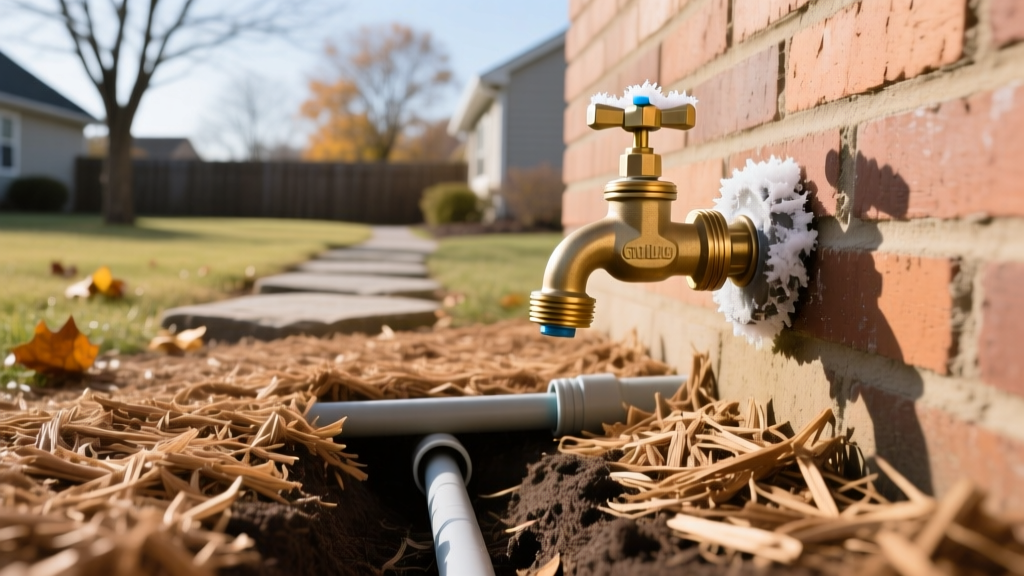
Freeze-Proof Sillcock Install & Winter Mulching Guide 2026
Sarah ChenPublished
Bridging Plumbing and Landscaping: The 2026 Winterization Strategy
As we navigate the winter of 2026, homeowners are facing increasingly unpredictable freeze-thaw cycles. While most home maintenance guides focus solely on either indoor plumbing or garden beds, true exterior winterization requires a holistic approach. Installing a freeze-proof sillcock (outdoor faucet) is only half the battle; the surrounding foundation soil and shallow irrigation lines must also be protected from frost heave. This is where the science of winter mulching methods and materials intersects directly with exterior plumbing maintenance.
In this comprehensive guide, we will walk you through the precise installation of a modern freeze-proof sillcock and detail the best insulating mulch materials to protect your home’s foundation and shallow garden pipes from deep frost penetration.
Understanding the 2026 Climate Shift and Frost Lines
Historically, homeowners in USDA Hardiness Zones 6 and above could rely on predictable frost lines. However, meteorological data from the 2025-2026 winter season indicates that polar vortex disruptions are causing deeper, more erratic frost penetration even in traditionally mild zones. When the ground freezes rapidly without an insulating snow cover, the frost line can plunge deep enough to threaten shallow water lines branching from your outdoor faucets. Combining mechanical plumbing upgrades with organic mulch insulation is the most effective defense against these modern climate anomalies.
Step-by-Step Freeze-Proof Sillcock Installation
A freeze-proof sillcock features a long stem (typically 8 to 14 inches) that places the actual shut-off valve deep inside your home’s heated envelope. When you turn off the faucet outside, the water drains out of the exterior barrel, preventing freezing. Here is how to upgrade your outdoor faucet in 2026.
Tools and Materials Needed
- 12-inch or 14-inch frost-free sillcock with anti-siphon valve (e.g., Woodford Model 19 or Mansfield 500)
- Pipe wrenches (two)
- Teflon tape and pipe joint compound
- Exterior-grade silicone caulk
- Smart water shut-off valve (optional, for interior line integration)
Installation Steps
1. Shut Off and Drain: Locate the interior shut-off valve for your outdoor faucet. Turn it off and open the exterior faucet to drain all residual water.
2. Remove the Old Faucet: Use a pipe wrench to hold the interior pipe steady while using a second wrench to unscrew the old sillcock from the outside. This prevents twisting and damaging the copper or PEX supply lines inside your wall.
3. Prep the New Sillcock: Wrap the threads of the new freeze-proof sillcock with Teflon tape (clockwise) and apply a thin layer of pipe joint compound for a watertight seal.
4. Insert and Pitch: Thread the new sillcock into the fitting. Critical Step: The faucet must pitch slightly downward (about 1/4 inch per foot) toward the outside. This gravity pitch ensures that when the valve is closed, the water in the barrel drains completely outside rather than pooling and freezing inside the wall cavity.
5. Seal the Flange: Apply a generous bead of exterior-grade silicone caulk behind the mounting flange before tightening it flush against the siding or masonry. This prevents moisture and pests from entering your wall.
6. Smart Home Integration: For 2026 homes, consider installing a smart leak detector or an automatic shut-off valve on the interior supply line. If a hose is accidentally left attached and the pipe bursts, the system will detect the micro-leak and shut off the water instantly, saving thousands in potential water damage.
The Mulching Connection: Insulating Against Frost Heave
Why does a plumbing guide discuss mulch? When water in the soil freezes, it expands by up to 9%, creating a phenomenon known as frost heave. If the soil around your foundation or shallow irrigation lines connected to your new sillcock freezes deeply, the resulting upward and lateral pressure can snap PEX lines, crack copper joints, and compromise your foundation's structural integrity.
According to the Federal Emergency Management Agency (FEMA), insulating exterior pipes and the surrounding ground is a primary defense against winter storm damage. By applying a thick layer of insulating mulch, you trap the earth's residual geothermal heat, preventing the frost line from penetrating deep enough to threaten your plumbing infrastructure.
Comparing Insulating Mulch Materials for Winter Plumbing Protection
Not all mulches are created equal when it comes to thermal insulation. Fine mulches compact and lose their insulating air pockets, while overly coarse materials may allow freezing winds to penetrate. Here is a comparison of the best mulching materials for winterizing foundation beds and shallow pipe trenches in 2026.
| Mulch Material | Insulation Value | Moisture Permeability | Best Use Case |
|---|---|---|---|
| Straw (Not Hay) | Excellent | High | Temporary insulation over shallow irrigation trenches and exposed foundation lines. |
| Pine Needles | Very Good | High | Acid-loving plant beds near outdoor faucets; resists matting and allows drainage. |
| Shredded Hardwood | Good | Moderate | Permanent foundation beds; interlocks to stay in place during harsh winter winds. |
| Whole Leaves | Poor (when wet) | Low | Avoid near plumbing; they mat down, trap excess moisture, and promote wood rot on siding. |
Proper Application: The Winter Mulching Method
To effectively winterize the soil around your sillcock and foundation, timing and depth are everything. The Penn State Extension recommends waiting until the ground has experienced a few hard freezes before applying winter mulch. If you mulch too early, you trap warmth in the soil, which can delay plant dormancy and encourage rodent nesting near your plumbing penetrations.
The 4-to-6 Inch Rule
For standard garden beds, a 2-to-3 inch layer of mulch is sufficient. However, for insulating shallow water lines and foundation perimeters against deep frost, you need a 4-to-6 inch layer of loose, airy material like straw or pine needles. This thickness creates a dead-air space that acts as a robust thermal barrier against sub-zero temperatures.
The Siding Clearance Zone
While insulating the soil is vital, you must never allow mulch to touch your home’s siding or the sillcock's caulking joint. Maintain a strict 2-inch clearance zone between the mulch pile and your exterior walls. Piling mulch against the siding traps moisture, leading to wood rot, termite infestations, and the degradation of the silicone seal protecting your sillcock penetration. Furthermore, the U.S. Department of Energy emphasizes that sealing and insulating exterior penetrations must be done without compromising the structural drying potential of your exterior walls.
Spring Removal and Soil Health
As spring 2026 approaches and the threat of hard freezes passes, gradually pull back the heavy 6-inch insulation layer from the foundation and shallow pipe zones. This allows the soil to warm up and dry out, preventing crown rot in nearby perennials. If you used straw or pine needles, you can compost them or work them into your vegetable garden beds, bridging the gap between winter home maintenance and spring soil preparation.
Conclusion
Winterizing your home is no longer just about wrapping pipes in foam; it requires an integrated approach that respects both plumbing mechanics and landscape science. By correctly installing a downward-pitched freeze-proof sillcock and utilizing high-insulation mulching materials like straw or pine needles to protect the surrounding soil, you safeguard your home against the costly damages of frost heave and burst lines. Implement these dual strategies this season to ensure your outdoor water features and garden beds survive the winter unscathed.
