Home & Garden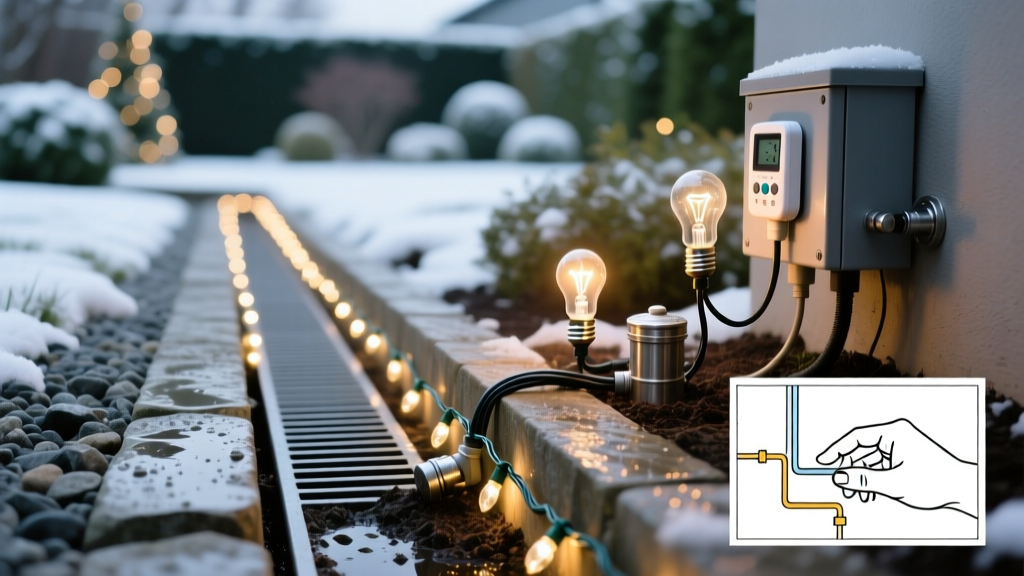
Holiday Lighting 2026: LED vs Incandescent Wattage & Timers
Lisa ThompsonPublished
The Intersection of Water Management and Holiday Wiring
As a French drain installation contractor, my primary focus is moving water away from your home's foundation and preventing landscape erosion. However, when we trench a yard to install a perforated pipe and gravel bed, we inevitably intersect with another critical outdoor system: electrical wiring for landscape and holiday lighting. The 2026 holiday season brings a massive surge in outdoor decorating, and homeowners are frequently asking whether they should stick with traditional incandescent bulbs or upgrade to modern LED strands. From a drainage and water management perspective, this is not just a question of aesthetics or energy bills; it is a fundamental issue of outdoor electrical safety, wire routing, and moisture mitigation.
French drains are specifically designed to be wet environments. The trench, filled with washed river rock and a slotted PVC pipe, acts as a subterranean highway for groundwater and surface runoff. During heavy winter rains or rapid snowmelt, the area immediately surrounding your French drain becomes highly saturated. Routing high-wattage, high-heat electrical cords near these moisture-heavy zones requires careful planning. In this guide, we will break down the critical differences between LED and incandescent holiday lighting wattage, explore the latest 2026 smart timer technologies, and provide actionable trenching advice to keep your holiday display bright and your drainage system safe.
Wattage and Heat: LED vs. Incandescent in Damp Environments
When evaluating holiday lighting from the perspective of a landscaping professional, wattage dictates wire thickness, heat generation, and overall safety in damp soil. Traditional incandescent holiday lights, particularly the large C7 and C9 bulbs, rely on heating a filament to produce light. This process is incredibly inefficient, converting the vast majority of electrical energy into heat rather than illumination.
Why does heat matter near a French drain? High-wattage incandescent strands require thicker, heavier-gauge wiring to prevent voltage drop and overheating. These thick cables are difficult to conceal along rooflines and nearly impossible to bury safely without deep trenching. Furthermore, the heat generated by incandescent bulbs and their heavy-duty plug connections can degrade weatherproofing seals over time. If a heavy winter storm overwhelms your yard and water pools near an exposed, degraded incandescent connection, the risk of a short circuit or a tripped Ground Fault Circuit Interrupter (GFCI) increases exponentially.
Conversely, Light Emitting Diodes (LEDs) operate at a fraction of the wattage. According to the U.S. Department of Energy, LED holiday lights use up to 75% less energy and last significantly longer than incandescent lighting. Because they draw so little power, LED strands utilize much thinner, more flexible wiring. This low-wattage profile means the wires generate virtually no heat, preserving the integrity of the rubberized weather seals even when exposed to the freezing, wet conditions typical of a French drain discharge zone.
2026 Wattage and Wire Comparison Chart
| Feature | Incandescent C9 (100 ft Strand) | 2026 Micro-LED C9 (100 ft Strand) |
|---|---|---|
| Total Wattage | ~700 Watts | ~45 Watts |
| Wire Gauge Required | 16 to 14 AWG (Thick, stiff) | 22 to 20 AWG (Thin, flexible) |
| Heat Output | High (Burns hot to touch) | Negligible (Cool to touch) |
| Moisture Risk | High (Heat degrades seals) | Low (Epoxy-sealed bulbs) |
| Max Strands Linked | 2 to 3 strands | 40+ strands |
Timer Selection and Placement Near Drainage Zones
A common mistake homeowners make is placing their outdoor lighting timers on the ground near the exterior wall, often directly above where a French drain catch basin or trench is located. In 2026, the market is flooded with advanced smart timers and outdoor plugs, but physical placement remains a critical safety factor. The National Fire Protection Association (NFPA) consistently warns against using electrical equipment in areas where it may be exposed to standing water or heavy splash zones.
If your French drain system utilizes a surface catch basin to divert roof downspout water, the area immediately surrounding that basin will experience heavy splashing and occasional pooling during severe weather. Mechanical dial timers, which often feature physical moving parts and less robust weatherproofing, are highly susceptible to internal corrosion when subjected to this level of ambient moisture. When a mechanical timer fails due to water ingress, it can leave your holiday lights on continuously, wasting energy and increasing the wear on your outdoor electrical circuits.
The 2026 Smart Home Integration Advantage
For the 2026 season, we strongly recommend abandoning ground-level mechanical timers in favor of Matter-over-Thread smart outdoor plugs. These modern devices allow you to mount the actual plug high up on a fence, retaining wall, or the side of your home—well above the splash zone of your French drain discharge. You then control the plug via a centralized indoor smart hub or your smartphone. By utilizing low-voltage extension cords or integrated smart LED strands, you eliminate the need for bulky, ground-level timer boxes that act as magnets for puddles and runoff.
Trenching Rules: Routing Wires Near French Drains
If you are currently planning a landscape renovation that includes both a new French drain and low-voltage landscape or holiday lighting, you have a unique opportunity to route your wiring safely. However, you must never place electrical wires directly inside the French drain gravel bed. The shifting of the gravel, combined with the constant flow of water and debris, will eventually strip the insulation from the wires, leading to catastrophic failure.
Instead, utilize the concept of 'parallel trenching with conduit separation.' When we dig an 18-inch deep trench for a 4-inch perforated French drain pipe, we often dig a secondary, shallower 6-inch trench parallel to the main drain, separated by at least 12 inches of undisturbed soil. All outdoor lighting wires should be pulled through a flexible, non-metallic liquid-tight conduit before being buried. This conduit protects the low-wattage LED wires from shovel strikes during future drain maintenance and prevents burrowing rodents from chewing through the insulation.
Managing the Discharge Zone
The termination point of your French drain—often a pop-up emitter or a daylighted splash block—is the most hazardous area for outdoor electrical connections. When hanging holiday lights on trees or shrubs near the discharge zone, ensure that all plug connections are elevated at least three feet off the ground using zip ties or specialized cord protectors. Never allow a connection point to rest on the soil or mulch above a drain line, as the ground here is perpetually damp. By combining the low-heat, low-wattage safety of 2026 LED technology with elevated, smart-controlled timers, you can enjoy a brilliant holiday display without compromising the integrity of your yard's water management system.
Final Thoughts on Landscape Safety
Upgrading to LED holiday lighting is no longer just about saving a few dollars on your winter electricity bill; it is a vital safety measure for any home with complex landscape drainage. The reduced wattage, cooler operating temperatures, and flexible wiring of modern LEDs make them the undisputed choice for damp outdoor environments. Pair them with elevated smart timers and proper conduit routing, and you will ensure that your French drain keeps your foundation dry while your holiday lights keep your home shining safely all season long.
