Home & Garden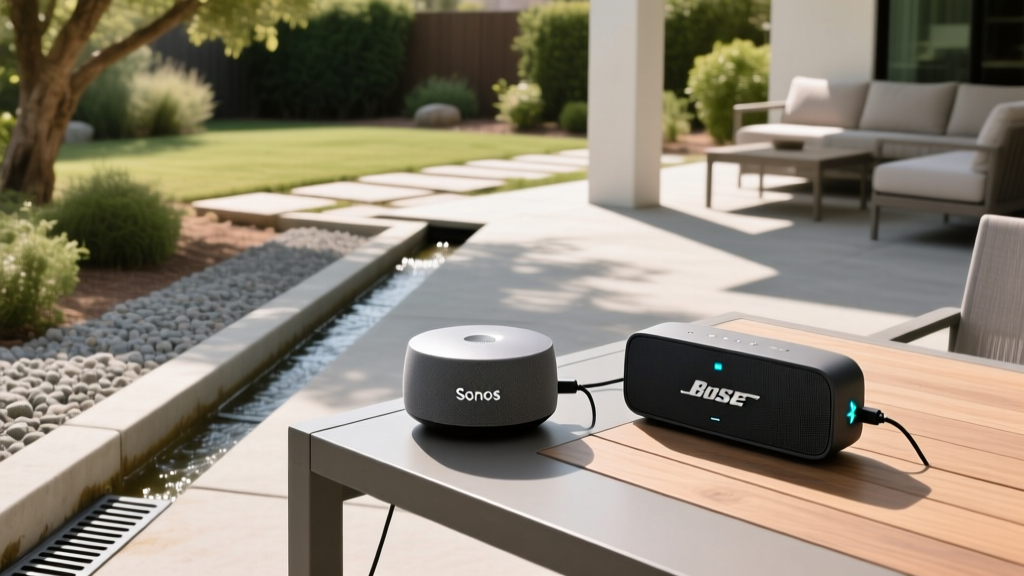
2026 French Drain Guide: Sonos Move vs Bose SoundLink Flex Setup
Emily WatsonPublished
Transforming Wet Yards: 2026 French Drain Installation & Portable Audio
Designing the ultimate outdoor living space in 2026 requires balancing beautiful hardscaping with modern entertainment. However, if your yard suffers from chronic pooling, hydrostatic pressure, or poor soil percolation, your patio and outdoor electronics are constantly at risk. Permanent wired outdoor speakers and delicate landscape lighting often fail in damp environments, making moisture management your first and most critical step. Before you invest in high-end audio, you must secure the perimeter with a proper French drain system.
Once the drainage is secured, you still need audio solutions that can handle the residual humidity, splash zones, and variable weather of an active yard. This is where premium IP-rated portable speakers shine. In this comprehensive guide, we will walk you through the essential steps of a modern French drain installation and then compare the two reigning champions of outdoor portable audio: the Sonos Move and the Bose SoundLink Flex. By the end, you will know exactly how to protect your landscape and set up a flawless outdoor soundscape.
2026 French Drain Installation: A Step-by-Step Guide
A French drain is a gently sloped trench filled with gravel and a perforated pipe that diverts surface and subsurface water away from your home, patio, or entertainment zones. According to landscape experts at Better Homes & Gardens, a correctly installed French drain is the most reliable method for eliminating standing water that can ruin paver bases and create mosquito breeding grounds.
Step 1: Planning and Utility Checks
Before breaking ground, always call 811 to have underground utilities marked. In 2026, local building codes in many flood-prone municipalities require that drainage systems daylight into approved dry wells or storm drains, rather than simply dumping water onto a neighbor's property. Map out your trench route, ensuring it starts at the lowest point of your patio or yard and ends at a safe discharge zone.
Step 2: Trenching and Slope Calculation
The golden rule of drainage is gravity. Your trench must slope downward at a minimum rate of 1 inch per 8 feet (about a 1% grade). For a standard residential patio perimeter, a trench 12 inches wide and 18 to 24 inches deep is usually sufficient. Use a string line and a line level to verify your slope before proceeding. Penn State Extension notes in their landscape drainage guidelines that failing to maintain a consistent slope is the number one reason DIY French drains fail within the first two years.
Step 3: Gravel, Pipe, and Geotextile Fabric
Line the trench with a high-quality, non-woven geotextile landscape fabric. This fabric is crucial; it prevents silt and invasive tree roots from clogging the pipe over time. Add a 2-inch base layer of washed drainage gravel (avoid crushed limestone, which can degrade and clog pipes). Lay your perforated PVC pipe with the holes facing downward—this allows water to enter from the bottom up, preventing sediment buildup inside the pipe. Cover the pipe with more gravel, leaving 3 inches at the top, fold the fabric over like a burrito, and top it off with decorative river rock or sod to match your landscape.
Why Portable Audio is the 2026 Standard for Damp Landscapes
Even with a state-of-the-art French drain, outdoor environments remain hostile to traditional electronics. Wired outdoor speakers require trenching for speaker wire, which can be compromised by shifting soil and moisture ingress. Furthermore, the cones on traditional mounted speakers can warp in high-humidity microclimates. In 2026, the smartest approach for yards with historical moisture issues is to utilize high-fidelity, waterproof portable speakers. They offer the flexibility to move the audio away from sudden downpours or active landscaping work, while delivering acoustic performance that rivals hardwired systems.
Sonos Move vs Bose SoundLink Flex: The Ultimate Showdown
When outfitting a yard that has just undergone major drainage work, you need speakers that are rugged, loud enough to cut through wind and water features, and easy to integrate into your smart home. The Sonos Move and the Bose SoundLink Flex represent two distinct philosophies in outdoor audio.
The Sonos Move: The Patio Powerhouse
The Sonos Move is a larger, heavier speaker designed to bridge indoor and outdoor living. It connects to your home Wi-Fi network when on its charging base, allowing you to group it with your indoor Sonos system for seamless whole-home audio. When you take it outside, it switches to Bluetooth. Its Auto Trueplay technology uses built-in microphones to analyze the acoustics of your patio and automatically adjust the EQ, ensuring rich bass even when placed against a retaining wall or near a drainage gravel bed.
The Bose SoundLink Flex: The Rugged Rover
The Bose SoundLink Flex is built for the wilder parts of your yard. It is fully waterproof and dustproof, meaning it can survive a direct splash from a sprinkler or an accidental drop into a shallow puddle near your French drain's daylight exit. Bose's proprietary PositionIQ technology detects the speaker's orientation (hanging, standing, or flat) and optimizes the sound profile accordingly. It is significantly lighter and more portable than the Sonos Move, making it ideal for tossing onto the grass or clipping to a pergola.
| Feature | Sonos Move (2026 Gen) | Bose SoundLink Flex |
|---|---|---|
| Connectivity | Wi-Fi 6 & Bluetooth 5.3 | Bluetooth 5.3 Only |
| Water/Dust Rating | IP56 (Splash & Dust Resistant) | IP67 (Submersible & Dustproof) |
| Battery Life | Up to 11 Hours | Up to 12 Hours |
| Weight | 6.6 lbs (Requires solid base) | 1.3 lbs (Highly portable) |
| Best Placement | Covered Patio / Hardscape Tables | Yard Grass / Near Drain Exits |
| Smart Home Integration | Excellent (Sonos App, AirPlay 2) | Limited (Bose App, Party Mode) |
For a deeper technical breakdown of how these speakers handle outdoor frequencies, the audio experts at RTINGS provide excellent frequency response charts that highlight the Sonos Move's superior low-end bass reproduction compared to the Flex's mid-range clarity.
Strategic Placement: Integrating Audio with Drainage Zones
How you set up these speakers in relation to your newly installed French drain and landscape features will dictate your overall experience.
Setting Up the Sonos Move on the Hardscape
Place the Sonos Move charging cradle on your covered patio or a dry, level hardscape area that is protected by the French drain. Because the Move relies on Wi-Fi for its smart features, you may need to extend your network. In 2026, installing an outdoor-rated Wi-Fi mesh node (like an Eero or Orbi outdoor extender) near the patio ensures the speaker never drops its connection when streaming high-res audio. Use the Sonos app to group the Move with your indoor speakers, creating a seamless audio environment when you open the sliding glass doors.
Deploying the Bose Flex Near the Daylight Exit
The 'daylight' is where your French drain pipe exits the ground to release water into a dry well or swale. This area is often damp, muddy, or covered in decorative river rock. The Bose SoundLink Flex is perfect for this zone. Because it boasts an IP67 rating, you can place it directly on the wet river rocks or hang it from a nearby landscape tree using its built-in utility loop. Pair it to your phone via Bluetooth and use the Bose app to activate 'Outdoor Mode' for an extra boost in volume and clarity to compete with the ambient noise of flowing water or wind.
Maintenance for Longevity
To ensure your outdoor oasis remains functional year after year, both your drainage and your audio gear require basic maintenance. Once a year, preferably in early spring, flush your French drain with a garden hose to clear out any silt or organic debris that may have bypassed the geotextile fabric. For your speakers, wipe down the silicone and metal grilles with a damp microfiber cloth to remove pollen, mud, and hard water spots. Never use harsh chemical cleaners on the Bose or Sonos acoustic meshes, as this can degrade the waterproof seals.
Conclusion
Upgrading your outdoor living space in 2026 is about working with nature, not against it. By installing a properly sloped French drain, you protect your home's foundation and your expensive hardscaping from water damage. By pairing that dry, secure patio with the right portable audio—whether it is the Wi-Fi-enabled, bass-heavy Sonos Move for the patio table, or the rugged, submersible Bose SoundLink Flex for the grassy perimeter—you create an entertainment zone that is as resilient as it is enjoyable. Plan your trench, lay your pipe, charge your speakers, and enjoy your perfectly engineered backyard retreat.
