Home & Garden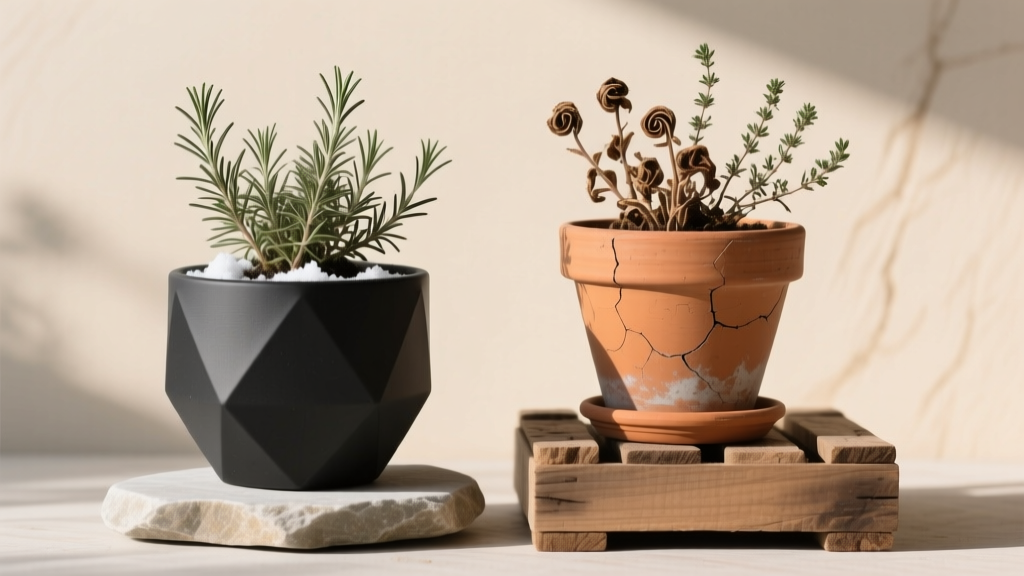
Frost-Proof vs Terracotta Pots: 2026 Overwintering Guide
Lisa ThompsonPublished
The Winter Dilemma: Leaving Pots Outdoors in 2026
As container gardening continues to dominate landscape design in 2026, homeowners and urban gardeners alike face the annual challenge of winterization. The transition from autumn to winter brings a critical decision point for container enthusiasts: do you leave your planters outdoors, or do you empty and store them? The answer depends heavily on the material of your pots. The debate between traditional terracotta and modern frost-proof planters is at the forefront of container gardening discussions this year. Understanding how different materials react to freezing temperatures, moisture, and the freeze-thaw cycle is essential for protecting both your expensive planters and your beloved perennial plants.
The Science of the Freeze-Thaw Cycle
Before comparing materials, it is vital to understand the enemy of outdoor planters: the freeze-thaw cycle. When water enters the microscopic pores of a planter and the temperature drops below 32°F (0°C), the water freezes and expands by approximately 9%. This expansion exerts immense outward pressure on the walls of the container. When the temperature rises and the ice melts, the water penetrates deeper into the newly formed micro-cracks. Repeated cycles of freezing and thawing throughout the winter months will eventually cause rigid, porous materials to spall, flake, and ultimately shatter. According to horticultural experts at the Royal Horticultural Society (RHS), the primary cause of winter planter loss is not the cold itself, but the accumulation of freezing water within the container's matrix.
Terracotta: Classic Beauty with Winter Vulnerability
Terracotta and unglazed clay pots have been the gold standard for container gardening for centuries. Their natural earth tones, breathability, and heavy weight make them ideal for anchoring top-heavy plants and preventing root rot during the humid summer months. However, this same breathability makes them highly vulnerable to winter damage. Terracotta is inherently porous, acting like a sponge that absorbs rainwater and snowmelt.
The Risks of Overwintering Terracotta Outdoors
Leaving standard terracotta pots outdoors in climates that experience hard freezes (USDA Zones 3 through 7) is almost a guarantee of damage. Even pots labeled as "frost-resistant" can fail if the soil inside becomes waterlogged and freezes solid. The expansion of the freezing soil, combined with the ice in the clay walls, will cause the pot to crack vertically or crumble at the rim. Furthermore, the Old Farmer's Almanac notes that plant roots in containers are exposed to ambient air temperatures, unlike plants in the ground where the earth provides geothermal insulation. A cracked terracotta pot loses whatever minimal insulation it provided, exposing the plant's root ball to lethal cold.
How to Properly Store Terracotta for Winter
To preserve terracotta planters, they must be emptied and stored indoors. The 2026 best practice for terracotta overwintering involves the following steps:
- Empty and Clean: Remove all soil and plant debris. Scrub the interior and exterior with a solution of one part white vinegar to nine parts water to eliminate fungal spores and mineral deposits.
- Dry Thoroughly: Allow the pots to dry in direct sunlight or a warm garage for at least 48 hours to ensure all moisture has evaporated from the clay walls.
- Stack with Care: Never stack terracotta pots directly inside one another. Place a layer of bubble wrap, newspaper, or a paper coffee filter between nested pots to prevent them from fusing together or cracking under pressure.
- Store in a Dry Environment: Keep them in a climate-controlled garage, basement, or shed where temperatures remain above freezing and humidity is low.
Frost-Proof Planters: 2026 Innovations in Durability
The term "frost-proof" is often misused in the gardening industry, but in 2026, material science has delivered genuinely resilient options for outdoor overwintering. True frost-proof planters are made from non-porous materials that do not absorb water, thereby eliminating the internal expansion that causes cracking.
Top Frost-Proof Materials for 2026
- Fiberglass and Poly-Resin: Modern fiberglass planters, often blended with UV-stabilized poly-resins, are incredibly lightweight, durable, and completely impervious to water. They mimic the look of stone or cast iron but will not crack in sub-zero temperatures.
- Glazed Ceramic (High-Fired): Unlike terracotta, high-fired glazed ceramics have a glass-like outer shell that prevents water absorption. However, they must have adequate drainage holes, as freezing water trapped inside the soil can still push the bottom out of the pot.
- Corten Steel and Powder-Coated Aluminum: Metal planters have surged in popularity for modern landscape designs. Corten steel develops a protective rust patina, while aluminum offers rust-proof longevity. Both are entirely frost-proof, though they require insulation lining to protect plant roots from rapid temperature conduction.
- Aerogel-Insulated Planters: A major trend in 2026 is the integration of aerogel insulation into double-walled resin planters. Originally developed for aerospace, aerogel provides unparalleled thermal resistance, keeping the soil temperature remarkably stable even during polar vortex events.
Head-to-Head Comparison: Frost-Proof vs. Terracotta
The following table breaks down the critical differences between traditional terracotta and modern frost-proof alternatives for overwintering scenarios.
| Feature | Traditional Terracotta | Frost-Proof (Fiberglass/Resin) |
|---|---|---|
| Water Absorption | High (Highly Porous) | Zero (Non-Porous) |
| Freeze-Thaw Durability | Poor (Prone to cracking) | Excellent (Unaffected by ice) |
| Overwintering Method | Must be emptied and stored indoors | Can remain outdoors with plants |
| Weight (Empty) | Heavy (Difficult to move) | Lightweight (Easy to relocate) |
| Root Insulation Value | Moderate (Thick walls) | Low to High (Depends on wall thickness/lining) |
| Average Cost (24-inch) | $40 - $90 | $120 - $250+ |
Step-by-Step Overwintering Strategies for Frost-Proof Pots
While frost-proof planters will not crack, the plants inside them are still vulnerable to freezing. As noted by Fine Gardening, containerized plant roots are essentially "above ground" and lack the protective geothermal mass of in-ground soil. To successfully overwinter perennials, shrubs, or dwarf conifers in frost-proof pots outdoors, follow these 2026 protocols:
1. Elevate the Planter
Never leave frost-proof pots sitting directly on frozen soil or concrete. The ground will act as a heat sink, drawing warmth out of the pot. Use terracotta "pot feet," wooden risers, or heavy-duty casters to elevate the planter at least two inches off the ground. This ensures drainage holes remain clear, preventing the soil from becoming a block of solid ice.
2. Insulate the Root Zone
For resin or metal planters, the walls offer little thermal resistance. Wrap the exterior of the pot in bubble wrap, burlap stuffed with dry leaves, or specialized horticultural fleece before the first hard freeze. If using a double-walled pot, ensure the air gap is dry and sealed.
3. The "Pot-in-Pot" Method
If you have a tender perennial in a plastic nursery pot, sink the entire nursery pot into a larger frost-proof outdoor planter filled with insulating materials like mulch, straw, or shredded bark. This creates a microclimate that buffers the roots against rapid temperature swings.
4. Hydrate Before the Freeze
Dry soil freezes faster and deeper than moist soil. Water your outdoor container plants deeply right before the ground is expected to freeze solid. Moist soil holds latent heat longer, providing a crucial buffer for the root system.
Cost Analysis and Long-Term Value in 2026
At first glance, terracotta appears to be the more economical choice. A standard 24-inch terracotta pot might cost around $60, whereas a high-quality, UV-stabilized fiberglass planter of the same size can easily exceed $180. However, the long-term value equation heavily favors frost-proof materials. If you live in a region with harsh winters, replacing cracked terracotta pots every two to three years quickly eclipses the initial investment of a premium frost-proof planter. Furthermore, the labor involved in emptying, cleaning, moving, and storing heavy terracotta pots annually is a significant hidden cost. Frost-proof planters allow you to leave your landscape intact, maintaining curb appeal year-round and saving hours of strenuous autumn labor.
Expert Tips for Extreme Cold Climates (Zones 3-5)
Gardeners in extreme cold climates must take extra precautions, even with frost-proof planters. In these zones, it is highly recommended to choose plants that are rated for at least two USDA hardiness zones colder than your own. For example, if you are in Zone 5, select shrubs and perennials rated for Zone 3. Additionally, avoid using dark-colored metal or resin planters in areas with intense winter sunshine; the dark surfaces will absorb solar heat during the day, causing the soil to thaw, only to refreeze violently at night, leading to root heaving. Opt for lighter, matte finishes that reflect winter sun and maintain a more consistent soil temperature.
Conclusion
The choice between terracotta and frost-proof planters ultimately comes down to your climate, your physical willingness to perform winter maintenance, and your landscape goals for the colder months. Terracotta remains a timeless, breathable option for summer growing, provided you have the storage space and strength to overwinter them indoors. However, for gardeners seeking a low-maintenance, year-round outdoor display, investing in modern frost-proof fiberglass, resin, or insulated metal planters is the definitive strategy for 2026. By understanding the mechanics of the freeze-thaw cycle and employing proper root insulation techniques, you can ensure both your containers and your plants survive the winter unscathed.
