Home & Garden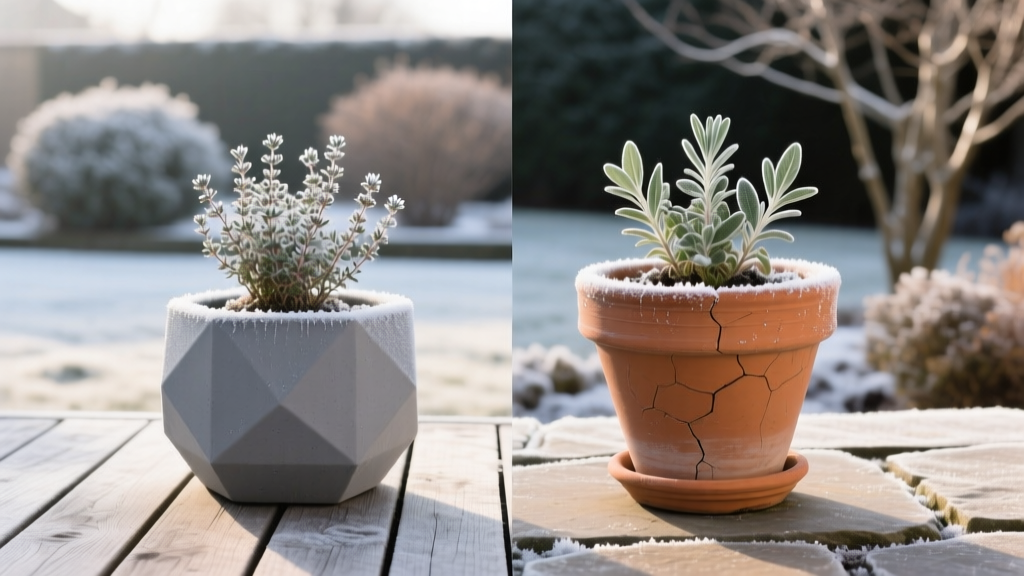
Frost-Proof vs Terracotta Planters: 2026 Pollinator Overwintering
Lisa ThompsonPublished
The Hidden Winter Crisis for Urban Pollinators
As urban and suburban gardeners increasingly embrace pollinator-friendly garden design, the focus often rests heavily on spring blooms and summer nectar flows. We plant milkweed for monarchs and native coneflowers for bumblebees, creating vibrant oasis patios and balcony gardens. However, as we navigate the increasingly erratic winter climate patterns of 2026, a critical gap in habitat conservation has emerged: overwintering survival in container gardens. While in-ground gardens offer deep, insulated soil for dormant insects, container planters present a unique microclimate that can either serve as a lifesaving refuge or a lethal trap. The material of your planter—specifically the ongoing debate between traditional terracotta and modern frost-proof composites—plays a massive, often overlooked role in the survival rates of native bees, butterflies, and beneficial insects during the dormant season.
The Science of Overwintering: What Pollinators Need in Planters
To understand why planter material matters, we must first look at how pollinators use container gardens during the winter. According to the USDA Forest Service, the vast majority of native bee species do not live in hives like European honeybees. Instead, approximately 70% of native bees are ground-nesting, while the remaining 30% are stem-nesting or wood-nesting. In a container garden, large planters filled with undisturbed potting mix and native flora mimic these natural habitats.
Queen bumblebees (Bombus spp.) often seek out the loose, well-draining topsoil of large patio planters to burrow into for winter diapause. Meanwhile, stem-nesting bees like mason bees (Osmia) and small carpenter bees (Ceratina) rely on the hollow, pithy stems of dormant potted plants such as elderberry, joe-pye weed, and wild asters. Furthermore, butterfly chrysalises—particularly those of swallowtails—frequently anchor themselves to the woody stems of potted shrubs or even the sheltered inner rims of the planters themselves. For all these species, temperature stability is the single most critical factor for survival. Rapid temperature fluctuations can break diapause prematurely, causing the insect to expend fatal energy reserves or emerge into a freezing landscape devoid of forage.
Terracotta Planters: Aesthetics vs. Overwintering Realities
Traditional terracotta and unglazed clay planters are beloved for their classic aesthetic, natural breathability, and historical charm. However, from a pollinator conservation standpoint, leaving terracotta planters outdoors during the 2026 freeze-thaw cycles is highly detrimental to both the container and the ecosystem within it. Terracotta is an inherently porous material. Throughout the autumn, these microscopic pores absorb rainwater and melting frost.
When temperatures drop below freezing, the trapped water expands by up to 9%. This internal pressure causes the clay to spall, crack, and ultimately shatter. According to research on container horticulture from the University of Minnesota Extension, the structural failure of a planter leads to the immediate collapse of the soil matrix. For a dormant bumblebee queen buried just a few inches below the surface, this soil collapse eliminates the insulating air pockets she relies on, exposing her directly to lethal sub-zero air temperatures. Furthermore, when a terracotta pot shatters, the hollow stems of native plants leaning against or rooted in the pot are often crushed or exposed to harsh winter winds, destroying the very nesting cavities that stem-nesting bees require to survive the winter.
Frost-Proof Planters: Insulation and Habitat Stability
Enter the modern frost-proof planter. In 2026, frost-proof materials have evolved far beyond cheap, brittle plastics. Today, high-end frost-proof planters are crafted from fiberglass reinforced with polyurethane foam cores, architectural stone composites, and high-density recycled poly-lumber. These materials are engineered to be entirely non-porous. Because they do not absorb water, they are immune to the destructive freeze-thaw expansion that plagues terracotta.
More importantly for pollinator habitat design, these advanced composites act as superior thermal buffers. Fiberglass and thick-walled polyurethane planters possess a higher effective R-value (thermal resistance) than thin, uninsulated clay. This means they dampen rapid temperature swings. On a sunny 45-degree Fahrenheit winter day followed by a 15-degree night, a frost-proof composite planter keeps the internal soil temperature remarkably stable. This stability ensures that overwintering pollinators remain in a deep, energy-conserving diapause, safely insulated until the true warmth of spring arrives. The structural integrity of the planter also remains intact, ensuring that the soil matrix and the plant stems within it stay undisturbed and upright throughout the harshest winter storms.
Head-to-Head Comparison: Frost-Proof vs. Terracotta
The following table breaks down the critical differences between traditional terracotta and modern frost-proof composite planters, specifically evaluated through the lens of pollinator habitat preservation and overwintering viability.
| Material Property | Traditional Terracotta / Clay | Modern Frost-Proof (Fiberglass/Composite) |
|---|---|---|
| Porosity & Moisture | Highly porous; absorbs water continuously. | Non-porous; sheds water, preventing internal ice buildup. |
| Freeze-Thaw Durability | Poor; prone to cracking, spalling, and shattering. | Excellent; structurally stable through extreme temperature shifts. |
| Thermal Insulation | Low; rapid heat transfer exposes soil to ambient air temps. | High; composite walls buffer soil against rapid daily fluctuations. |
| Soil Matrix Stability | Unstable; cracking causes soil collapse and compaction. | Stable; maintains soil structure and vital insulating air pockets. |
| Pollinator Safety | High risk of habitat destruction and fatal insect exposure. | High safety; preserves stems, soil, and stable diapause conditions. |
Best Practices for Pollinator-Friendly Overwintering in 2026
Choosing a frost-proof planter is only the first step in creating a resilient overwintering habitat. To maximize the survival rates of native bees and butterflies in your container gardens this winter, implement the following actionable strategies:
- Stop Autumn Deadheading: Leave the seed heads and hollow stems of native perennials standing. As recommended by the National Wildlife Federation, leaving stems intact provides essential nesting cavities for native bees and shelter for overwintering butterflies. Cut them back only in late spring when temperatures are consistently above 50 degrees Fahrenheit.
- Mulch with Fallen Leaves: Instead of using sterile wood chips, top-dress your frost-proof planters with whole, fallen oak or maple leaves. This mimics the natural forest floor, providing an extra layer of thermal insulation for the soil while offering shelter for overwintering moth caterpillars and beneficial predatory insects.
- Group Planters for Thermal Mass: Cluster your frost-proof planters together against a south-facing or west-facing wall of your home. The combined mass of the soil and the composite walls will absorb radiant heat during the day and release it slowly at night, creating a highly stable microclimate.
- Elevate with Care: Use heavy-duty, solid wood or composite pot feet to elevate your planters slightly off the ground. This ensures proper drainage so the soil does not become waterlogged and freeze into a solid block of ice, which can suffocate dormant insects. However, avoid wire stands that allow harsh winter winds to blow freely beneath the pot.
- Avoid Soil Disturbance: Resist the urge to refresh or turn the soil in your planters in late fall. Tilling or aerating the top few inches of potting mix will almost certainly crush and kill ground-nesting native bees and bumblebee queens that have already burrowed in for the winter.
Conclusion
As our understanding of urban ecology deepens in 2026, it is clear that a truly pollinator-friendly garden must account for the entire life cycle of its inhabitants, including the vulnerable winter months. While terracotta planters hold a nostalgic appeal, their physical limitations make them a liability for overwintering insects. By transitioning to high-quality, frost-proof composite planters, gardeners can provide a structurally sound, thermally stable, and life-saving refuge for the native bees and butterflies that sustain our ecosystems. Protecting the winter habitat in your containers ensures that when spring finally arrives, your patio will be ready to welcome the very pollinators you worked so hard to protect.
