Home & Garden
Frost Proof vs Terracotta Planters Overwintering
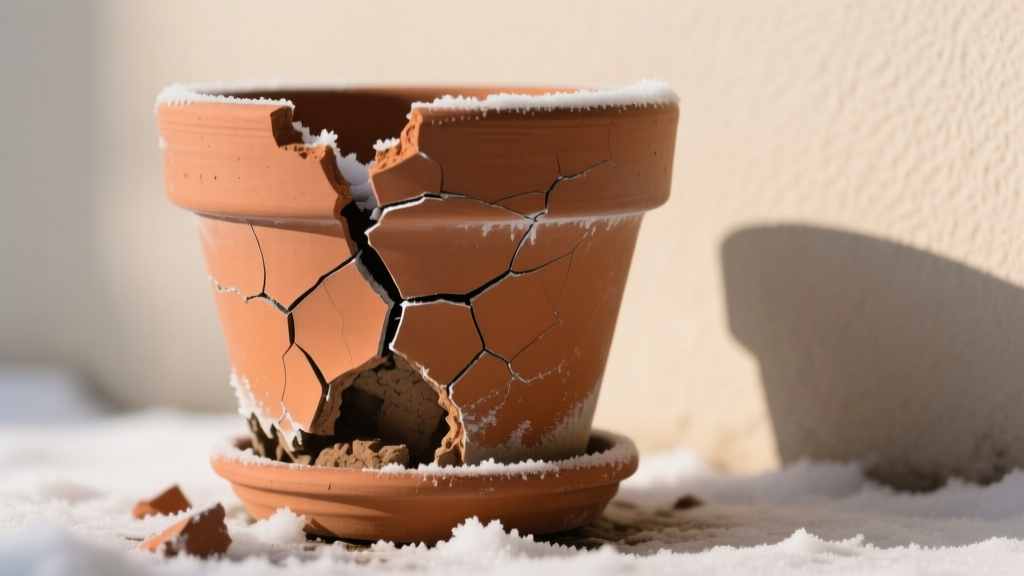
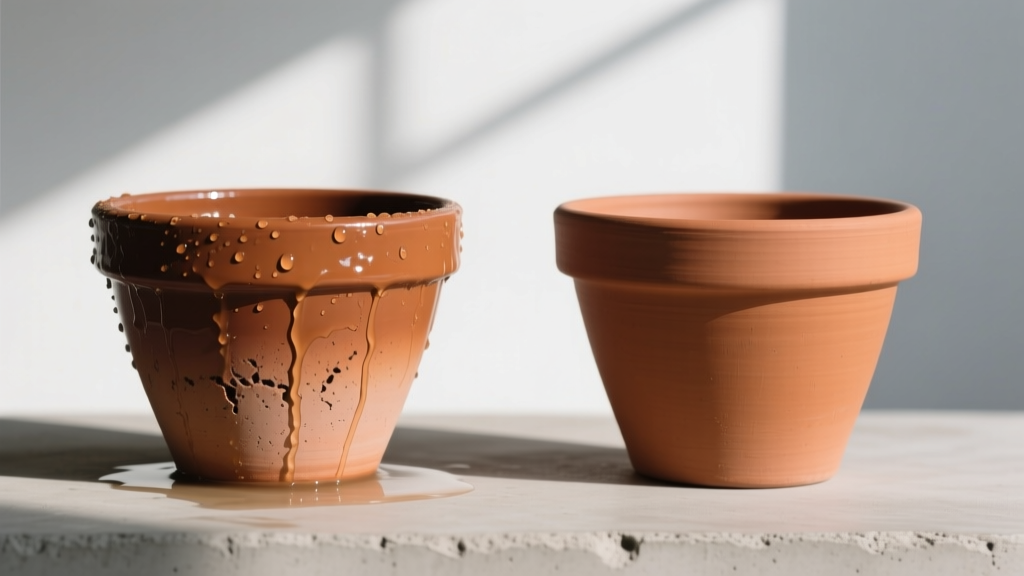
Standard terracotta is inherently porous, absorbing up to 20% of its weight in water. When temperatures drop below 32°F, this trapped water expands by 9%, causing the clay to shatter. Therefore, you cannot chemically frost-proof standard terracotta pots to survive harsh outdoor winters indefinitely. True frost proofing terracotta pots requires either purchasing vitrified Impruneta clay or moving standard planters indoors. This guide is designed for home gardeners and patio landscapers in United States Department of Agriculture (USDA) Hardiness Zones 3 through 7 who need to protect their outdoor planters from winter damage.
Key Takeaways
- Standard terracotta cannot be made 100% frost-proof using chemical sealers.
- True frost-proof terracotta is fired at temperatures exceeding 1000°C to reduce porosity.
- Penetrating silane sealers extend the life of standard pots but require annual reapplication.
- Emptying and elevating planters are mandatory steps for outdoor overwintering.
Table of Contents
- Frost-Proof vs. Frost-Resistant: Understanding the Materials
- How to Protect Standard Terracotta Planters in Winter
- Overwintering Decision Matrix
- Frequently Asked Questions
- Conclusion & Next Steps
Frost-Proof vs. Frost-Resistant: Understanding the Materials
Marketing terms often confuse gardeners when shopping for winter planters. Understanding the physical properties of the clay dictates how the pot will perform in freezing conditions.
Defining the Terminology
Frost-Proof Terracotta refers to specialized clay, often sourced from Impruneta, fired at extreme temperatures exceeding 1000°C. This intense heat vitrifies the material, reducing water absorption to less than 3% and effectively preventing structural failure during severe freezing conditions.
Freeze-Thaw Cycle is the continuous environmental process where liquid water enters porous materials, freezes, and expands by 9% when ambient temperatures drop below 32°F. This repeated mechanical stress systematically degrades the structural integrity of unsealed terracotta over time.
Imperial vs. Standard Terracotta
Standard machine-made terracotta is fired at roughly 900°C. This leaves the clay body highly porous. Imperial or hand-thrown frost-proof terracotta undergoes a prolonged firing process that essentially turns the clay into a ceramic-like state. According to the Royal Horticultural Society (RHS), only pots specifically manufactured and labeled as frost-proof by the kiln should be left planted outdoors in freezing climates.
How to Protect Standard Terracotta Planters in Winter
If you already own standard terracotta planters, you must take physical and chemical steps to minimize water ingress. While you cannot alter the firing temperature of the clay, you can alter its surface tension.
Step-by-Step Sealing Process
Applying a penetrating silane or siloxane sealer creates a hydrophobic barrier inside the clay pores. This does not block the pores entirely, allowing the pot to breathe while repelling liquid water.
- Scrub the empty pot with a stiff brush and a 10% bleach solution to remove algae and mineral deposits.
- Allow the terracotta to dry completely in direct sunlight for 48 hours.
- Apply 3 coats of a water-based penetrating masonry sealer to the interior and exterior walls.
- Wait 24 hours between coats to ensure deep pore penetration.
Elevation and Drainage
Sealing is only half the battle. If a sealed pot sits directly on freezing soil or concrete, the drainage hole becomes a conduit for ground moisture. Always elevate planters using 1-inch thick wooden feet or pot risers to maintain airflow beneath the base.
Overwintering Decision Matrix
Use this practical framework to determine the correct overwintering protocol based on your planter type and local climate.
| Planter Type | USDA Zone | Plant Status | Required Action |
|---|---|---|---|
| Standard Terracotta | Zones 3-6 | Empty | Clean, seal, and store indoors or under a covered roof. |
| Standard Terracotta | Zones 7-9 | Planted | Elevate on risers, wrap in bubble wrap, and group against a south-facing wall. |
| Frost-Proof (Vitrified) | Zones 3-9 | Planted | Elevate on risers to ensure drainage hole remains unblocked by ice. |
| Frost-Resistant (Glazed) | Zones 3-6 | Empty | Store indoors; glaze micro-cracks will trap water and shatter the pot. |
Frequently Asked Questions
Can I leave soil in terracotta pots over winter?
No. Soil retains moisture and expands when frozen. Leaving soil in standard terracotta pots guarantees that the outward pressure of the freezing soil mass will crack the clay walls, regardless of exterior sealing.
Does wrapping terracotta pots in bubble wrap work?
Wrapping pots in bubble wrap provides thermal insulation, slowing the rate of temperature change. However, it does not stop water absorption from rain or snowmelt. Wrapping is only effective when combined with pot elevation and soil removal.
How often do I need to re-seal my terracotta planters?
Penetrating silane sealers degrade under ultraviolet (UV) light and physical abrasion. You must reapply the sealer every 12 to 18 months to maintain the hydrophobic barrier.
Conclusion & Next Steps
Attempting to chemically frost-proof standard terracotta pots for harsh outdoor winters is a temporary mitigation, not a permanent solution. The physical limits of low-fired clay mean that water expansion will eventually compromise the structure. True protection relies on material selection, proper elevation, and strategic storage.
Your immediate next step is to audit your current patio inventory this weekend. Identify which planters are vitrified frost-proof models and which are standard porous clay. Move the standard pots into a dry garage or shed before the first forecasted hard freeze, and order a penetrating masonry sealer for next spring's preparation.
