Home & Garden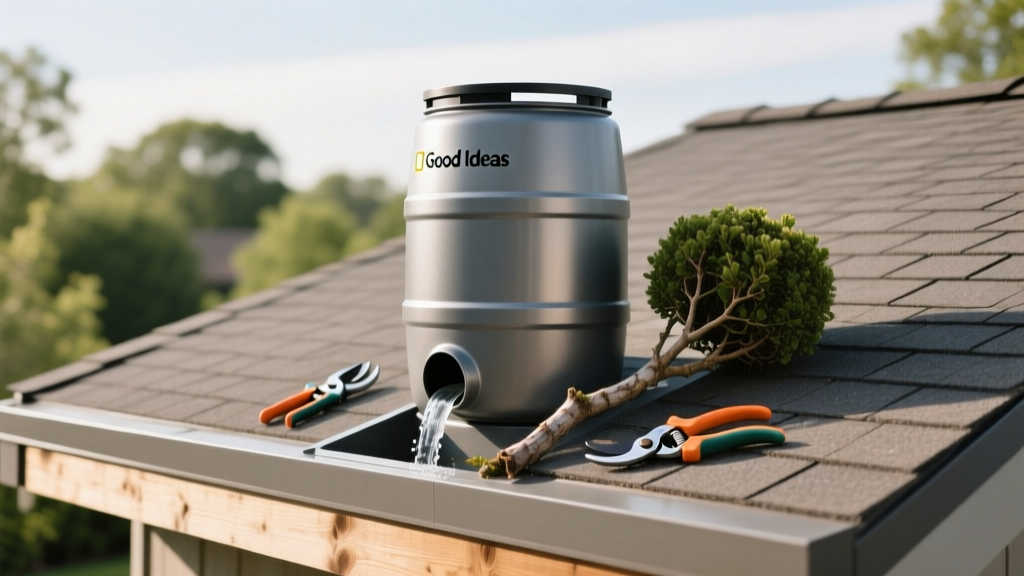
Pruning For Rain Catchment: Good Ideas 50-Gal Barrel 2026
Robert HayesPublished
The Intersection of Pruning Timing and Rain Catchment
As homeowners increasingly adopt sustainable landscaping practices in 2026, the integration of rainwater harvesting systems has become a cornerstone of eco-friendly garden design. The Good Ideas 50-Gallon Rain Barrel, complete with its durable brass spigot and flat-back design, remains one of the most popular choices for residential water conservation. However, a frequently overlooked factor in the long-term success of any rain catchment system is the quality of the roof runoff. Overhanging tree canopies can drop leaves, needles, sap, and twigs directly into your gutters, leading to severe clogs in your barrel's screen and spigot. By aligning your seasonal tree pruning schedule with your rain barrel installation, you can ensure a clean, high-volume water catchment system that operates flawlessly year-round.
Understanding the precise timing and methods of arboriculture is essential. According to the University of Minnesota Extension, the optimal time for major structural pruning of most deciduous trees is during the dormant season—typically late winter to early spring. This timing is not only crucial for tree health, as it minimizes the risk of disease transmission and sap loss, but it also perfectly precedes the heavy spring rains. By executing your canopy pruning in late February or early March, you clear the aerial space above your roof just in time to install your Good Ideas 50-gallon barrel in April, ensuring that the first major downpours of the season wash a clean roof surface into your reservoir.
Essential Pruning Methods for Optimal Roof Runoff
To maximize the efficiency of your rain barrel installation, you must employ specific pruning methods designed to keep organic debris away from your roof catchment area. Here are the three primary techniques to utilize in early 2026:
1. Crown Raising
Crown raising involves the systematic removal of the lower branches of a tree to provide vertical clearance. For rain catchment, you want to ensure that no branches hang lower than at least 10 feet above the roofline. This prevents wind-blown leaves from directly scraping against your shingles and reduces the amount of organic matter that can settle into your gutters. Make clean cuts just outside the branch collar to promote rapid healing during the spring growth flush.
2. Crown Thinning
Crown thinning is the selective removal of smaller, weaker, or crossing branches throughout the canopy. The goal is to reduce wind resistance and allow sunlight and air to penetrate the tree. From a rainwater harvesting perspective, a thinned canopy means fewer dead twigs and brittle branches that could snap during spring storms and puncture gutters or block the diverter hose connected to your Good Ideas barrel. The Arbor Day Foundation recommends removing no more than 25% of a tree's live canopy in a single season to avoid stressing the plant.
3. Directional Pruning and Tool Sanitation
Also known as lateral pruning, this method guides the future growth of the tree away from structures. By cutting back to a lateral branch that is growing outward, away from your home, you train the tree to develop a canopy that naturally sheds debris away from your roof catchment zone. Furthermore, always sanitize your bypass loppers and pruning saws with a 10% bleach solution or isopropyl alcohol between cuts, especially when dealing with oak or elm trees, to prevent the spread of vascular wilts. A diseased tree will drop premature, rotting leaves into your gutters, defeating the purpose of your canopy management.
Step-by-Step: Installing the Good Ideas 50-Gallon Rain Barrel
Once your canopy is properly pruned and the dormant season ends, it is time to install the Good Ideas 50-Gallon Rain Barrel. This BPA-free polyethylene unit is designed to mimic the look of natural wood or stone, blending seamlessly into your 2026 garden aesthetic. Here is how to install it with a focus on long-term spigot health and water pressure.
Step 1: Building a Pruned-Wood Base
Gravity is the driving force behind your brass spigot's water pressure. To fill a watering can or attach a soaker hose, the barrel must be elevated. A brilliant way to bridge your pruning efforts with your installation is to use thick, cured hardwood slabs from your winter pruning (such as oak or maple) as part of your base foundation. Stack two layers of concrete cinder blocks, and cap them with your level, cured wood rounds. This provides a stable, rot-resistant platform that elevates the barrel approximately 16 to 20 inches off the ground, ensuring excellent clearance for the spigot.
Step 2: Installing the Diverter Kit
Modern rain barrels rarely rely on cutting the downspout entirely. Instead, use the included diverter kit. Drill a hole into your downspout at the exact height of the barrel's intake port. Insert the diverter seal and connect the flexible hose. When the barrel reaches its 50-gallon capacity, the diverter automatically routes excess water back down the downspout and away from your foundation, preventing soil erosion and basement flooding.
Step 3: Spigot and Overflow Configuration
Thread the brass spigot into the pre-drilled lower port using plumber's tape to ensure a watertight seal. The Good Ideas model features a secondary overflow port near the top; attach a vinyl tube here and direct it toward a nearby rain garden or permeable hardscape area. Because your overhanging trees have been properly thinned and raised, the top-mounted debris screen will remain largely free of leaf litter, allowing water to flow unimpeded into the reservoir.
2026 Seasonal Maintenance Calendar: Syncing Trees and Barrels
Maintaining a pristine catchment system requires a synchronized approach to both arboriculture and plumbing. Refer to this 2026 maintenance table to keep your landscape and water systems in perfect harmony.
| Season | Tree Pruning & Canopy Task | Good Ideas Rain Barrel Maintenance |
|---|---|---|
| Early Spring | Finalize dormant pruning; apply horticultural oil to prevent pests. | Install barrel; flush winter dust from gutters; check diverter seals. |
| Late Spring | Remove water sprouts and suckers that emerged post-dormant pruning. | Inspect top screen for early pollen buildup; test brass spigot flow. |
| Summer | Light deadwood removal only; avoid heavy pruning to prevent sunscald. | Monitor water levels for drip irrigation; clean spigot filter monthly. |
| Autumn | Identify structural weaknesses and mark branches for winter removal. | Drain barrel before first freeze; detach diverter hose; store spigot indoors. |
Smart Home Integration and Spigot Upgrades for 2026
In 2026, the modern garden is deeply connected to smart home ecosystems. While the Good Ideas 50-Gallon Rain Barrel is a fundamentally analog, gravity-fed device, you can easily upgrade its brass spigot to integrate with your landscape's tech stack. By attaching a smart inline water valve and a Wi-Fi-enabled soil moisture sensor to your drip irrigation lines, you can automate the release of harvested rainwater directly to your raised vegetable beds.
If you are utilizing a smart irrigation controller like the Rachio 3e or Orbit B-hyve Smart Hose Timer, you can connect the barrel's spigot to a pressurized drip system using a low-head solar pump. This allows you to schedule precision watering based on local 2026 microclimate weather data, ensuring you only use your harvested rainwater when the soil truly needs it. Furthermore, the Environmental Protection Agency (EPA) notes that rain barrels can save homeowners thousands of gallons of municipal water annually. By ensuring your roof catchment is free of decaying organic matter through proper pruning methods, you prevent the anaerobic bacteria buildup that causes foul odors and acidic water. Clean, sunlit runoff from a well-maintained roof yields neutral-pH water that is vastly superior for your acid-sensitive gardenias, hydrangeas, and vegetable crops.
Conclusion
Installing a rain barrel is not merely a plumbing project; it is an exercise in holistic landscape management. By timing your structural tree pruning to coincide with the late-winter dormant season, you prepare both your trees and your roof for the heavy rains of spring. The Good Ideas 50-Gallon Rain Barrel with its reliable brass spigot offers an elegant, high-capacity solution for water conservation, but it relies entirely on the cleanliness of the catchment surface above it. Master the art of crown thinning, raising, and directional pruning, and your 2026 rainwater harvesting system will provide a steady, clean flow of nature's most precious resource for years to come.
