Home & Garden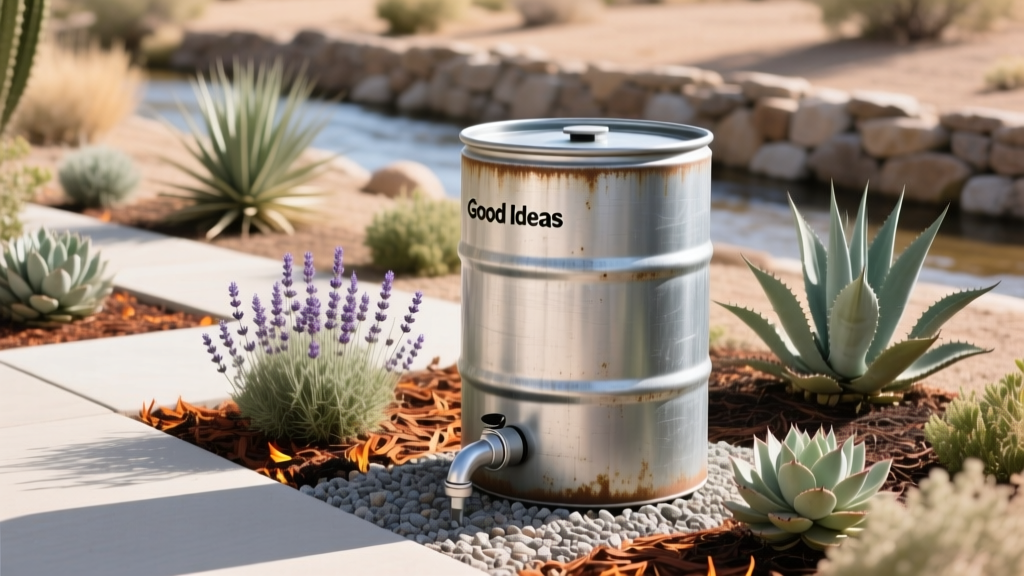
Good Ideas 50-Gallon Rain Barrel: Fire-Safe Installation Guide 2026
James MillerPublished
Introduction to Fire-Resistant Landscaping and Water Security
As we navigate the 2026 wildfire season, homeowners in fire-prone regions are increasingly recognizing that creating a defensible space requires more than just clearing dry brush. It demands a strategic approach to irrigation, plant selection, and outdoor infrastructure. Fire-resistant landscaping relies heavily on maintaining high-moisture, fire-retardant plants within your home's immediate defensible zones. However, during peak fire events, municipal water systems frequently lose pressure or fail entirely due to power shutoffs and overwhelmed hydrants. This is where decentralized water storage becomes a critical component of your home's wildfire defense strategy.
Installing a dedicated rain catchment system ensures you have immediate, off-grid access to water for hand-watering your fire-resistant flora and dampening your immediate perimeter during an ember storm. For 2026, the Good Ideas 50-Gallon Rain Barrel with Spigot remains a top-tier choice for homeowners looking to blend aesthetic appeal, durability, and fire safety. In this comprehensive guide, we will explore how to properly install and position this specific 50-gallon model to maximize your property's fire resilience while adhering to modern home-hardening standards.
Why the Good Ideas 50-Gallon Rain Barrel?
The Good Ideas 50-Gallon Rain Wizard (and its standard flat-back 50-gallon counterparts) is constructed from UV-resistant, BPA-free polyethylene. From a fire-safety perspective, this material is crucial. Unlike wooden barrels, which can dry out and become combustible fuel sources, or thin metal drums that can warp and fail under extreme radiant heat, thick polyethylene is durable and will not contribute to the spread of ground-level fires if kept clear of surrounding debris. Furthermore, the integrated brass spigot allows for quick attachment of a standard garden hose, enabling you to rapidly deploy water to your defensible space zones without relying on electric pumps.
Key features of the Good Ideas 50-gallon model relevant to fire-safe landscaping include:
- Flat-Back Design: Allows the barrel to sit flush against your home, minimizing gaps where wind-blown embers could accumulate and ignite hidden debris.
- Brass Spigot with Hose Thread: Ensures a reliable, leak-free connection for emergency hand-watering of your fire-resistant succulents and deciduous shrubs.
- Built-In Overflow Valve: Diverts excess water away from your home's foundation, preventing soil erosion that could compromise your hardscaping and fire-break boundaries.
- Planter Top (Optional Models): If utilizing the planter-top version, it provides a designated space for fire-retardant succulents, keeping them elevated and hydrated.
Strategic Placement for Fire Safety
According to the National Fire Protection Association (NFPA) Firewise USA program, the immediate zone (Zone 0) extending 0 to 5 feet from your home must be strictly managed to prevent direct flame contact and ember ignition. Placing a rain barrel requires careful consideration of this zone.
Never place your rain barrel directly against combustible siding, such as wood shingles or untreated vinyl, without a proper non-combustible buffer. Furthermore, the area surrounding the barrel must be kept entirely free of dry leaves, pine needles, and flammable mulch. Embers can travel up to a mile ahead of a fire front, and a rain barrel surrounded by dry bark mulch effectively becomes a localized fire hazard.
Step 1: Selecting a Fire-Safe Base
A common mistake in rain barrel installation is resting the unit on a wooden pallet or surrounding it with organic mulch to hide the plumbing. In a fire-resistant landscape, the base must be entirely non-combustible. Below is a comparison of common base materials and their fire-safety ratings for 2026 landscaping codes.
| Base Material | Fire-Safety Rating | Pros for Fire-Resistant Landscaping | Cons / Risks |
|---|---|---|---|
| Wood Mulch / Bark | HAZARDOUS | Retains moisture temporarily. | Highly combustible when dry; acts as ember fuel. |
| Wooden Pallets | HAZARDOUS | Elevates barrel cheaply. | Dries out rapidly; creates hidden voids for embers. |
| Pea Gravel / Crushed Rock | EXCELLENT | Non-combustible; excellent drainage. | Can shift over time; requires a retaining border. |
| Concrete Pavers | EXCELLENT | Non-combustible; provides a perfectly level, stable base. | Higher initial cost and labor to install. |
For the Good Ideas 50-gallon barrel, which weighs over 400 pounds when full, a leveled bed of compacted crushed gravel topped with interlocking concrete pavers is the safest and most stable foundation. This setup prevents the barrel from tipping and ensures zero combustible material exists beneath the water storage tank.
Step 2: Downspout Diversion and Gutter Protection
Your rain barrel is only as effective as the gutter system feeding it. During wildfire season, gutters filled with dry pine needles are a primary ignition point for homes. Before installing your downspout diverter, ensure your gutters are equipped with stainless steel micro-mesh guards. Plastic gutter screens can melt under extreme radiant heat and are themselves combustible once coated in dry debris.
When routing the downspout to the Good Ideas barrel, use aluminum or galvanized steel flex-pipe rather than corrugated plastic tubing. Plastic tubing can warp in high summer heat and will melt if exposed to direct ember showers, potentially spilling your stored water exactly when you need it most.
Step 3: Installing the Brass Spigot and Overflow
The Good Ideas 50-gallon model comes with a pre-drilled hole and a brass spigot. Wrap the threads with PTFE (Teflon) tape to ensure a watertight seal, and tighten it with a wrench. Because you are using this for fire defense, ensure the spigot is positioned high enough to allow a standard hose to be attached without kinking, but low enough to maximize your accessible water volume.
For the overflow valve, route the discharge pipe into a subterranean gravel dry well or a swale that leads away from your home's foundation. Do not allow overflow water to pool near the base of fire-resistant trees, as excessive moisture can promote root rot, eventually killing the tree and turning it into standing dead fuel—a major violation of defensible space guidelines outlined by Ready for Wildfire.
Integrating the Rain Barrel with Fire-Resistant Plants
The primary purpose of this 50-gallon reserve is to sustain the high-moisture plants in your defensible space during drought conditions and municipal water shutoffs. Fire-resistant plants such as Aloe Vera, Agave, Yucca, and specific deciduous shrubs like the California Lilac (Ceanothus) store water in their leaves, making them natural firebreaks. However, they require periodic deep watering to maintain their fire-retardant properties.
Using the brass spigot on your Good Ideas barrel, you can easily fill a watering can or attach a low-pressure soaker hose to deliver targeted hydration directly to the root zones of these critical plants. This manual deployment is essential during Public Safety Power Shutoffs (PSPS), where electric well pumps and municipal boosters are offline.
Seasonal Maintenance for Fire Safety
To ensure your rain barrel remains a fire-safety asset rather than a liability, incorporate these maintenance steps into your 2026 seasonal checklist:
- Spring: Inspect the brass spigot for leaks. Clear the roof catchment area of spring pollens and seed pods that can clog the diverter screen.
- Early Summer (Pre-Fire Season): Completely clear a 3-foot radius around the barrel of any dry grass or weeds. Apply a non-toxic, eco-friendly vegetation killer or manually pull weeds to create a mini firebreak around the infrastructure.
- Fall: Clean the gutter micro-mesh screens before leaf drop. Ensure the barrel's overflow is clear of autumn debris to prevent water from backing up and damaging your roofline.
- Winter: If you live in a freeze-prone region, drain the barrel to prevent the polyethylene from cracking, which would render your water storage useless for the following fire season.
Conclusion
As wildfire behavior continues to evolve, so must our approach to home and garden resilience. The Good Ideas 50-Gallon Rain Barrel with spigot offers a reliable, durable, and aesthetically pleasing solution for off-grid water storage. By installing it on a non-combustible base, pairing it with ember-resistant gutter systems, and using the stored water to maintain your defensible space vegetation, you are taking a proactive stand for your property's safety. Embrace these fire-safe installation practices in 2026, and transform your rain catchment system into a vital pillar of your home's wildfire defense strategy.
