Home & Garden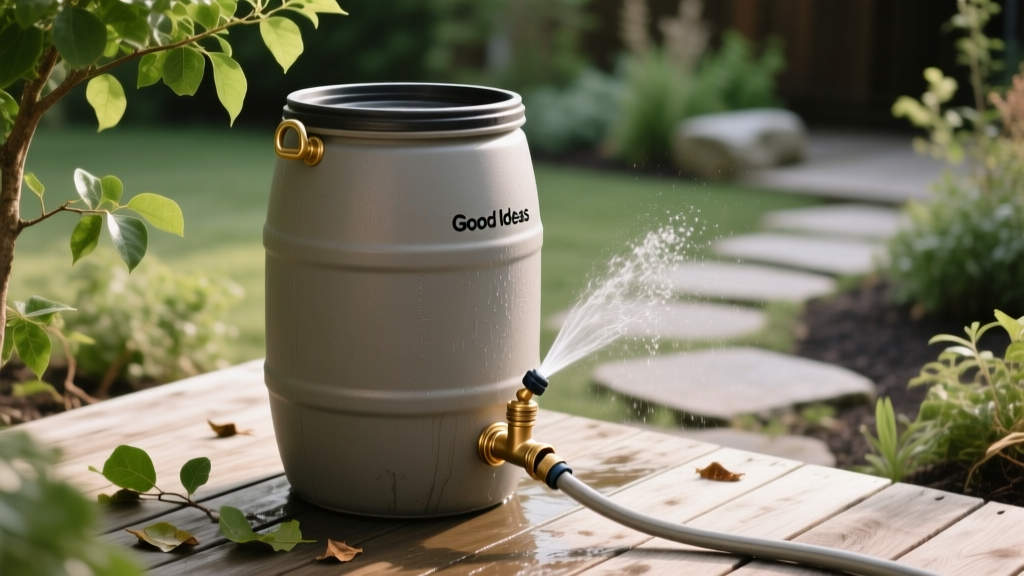
Good Ideas 50-Gallon Rain Barrel Install for Web Worm Control 2026
Emily WatsonPublished
The Biological Advantage of Rainwater for Tree Web Worm Control
As we navigate the 2026 landscaping season, eco-conscious homeowners and organic lawn care professionals are increasingly abandoning harsh synthetic pyrethroids in favor of targeted biological controls. The fall webworm (Hyphantria cunea) is a notorious late-summer pest that encases the terminal branches of deciduous trees in unsightly, silken tents. While these caterpillars rarely cause long-term structural damage to mature trees, their webs are an eyesore, and heavy infestations can defoliate young or stressed specimens.
The gold standard for controlling these caterpillars is Bacillus thuringiensis var. kurstaki (Btk), a naturally occurring soil bacterium that specifically targets the digestive systems of leaf-eating caterpillars. However, Btk is a living organism, and its efficacy is highly sensitive to water chemistry. Municipal water supplies in 2026 rely heavily on chlorine and chloramines for purification. When you mix Btk or organic Spinosad sprays with tap water, the residual chlorine can neutralize the beneficial bacteria and degrade the active organic compounds before they ever reach the tree canopy.
This is where a dedicated rainwater harvesting system becomes a game-changer. Rainwater is naturally soft, slightly acidic, and completely free of municipal chlorine, making it the perfect carrier medium for biological pesticides. By installing a high-capacity rain barrel specifically configured as a pest-control mixing and spraying station, you guarantee maximum efficacy for your organic web worm treatments.
Why the Good Ideas 50-Gallon Rain Barrel is the Industry Standard
For a dedicated spraying station, capacity and durability are paramount. The Good Ideas Rain Wizard 50-Gallon Rain Barrel remains a top-tier choice in 2026 for several critical reasons. First, its 50-gallon capacity provides enough volume to mix multiple batches of foliar spray for large properties without waiting for the hose to fill a smaller tank. Second, the flat-back design allows it to sit flush against your home’s siding, saving space and preventing dangerous tipping hazards when the barrel is full (water weighs over 8 pounds per gallon, meaning a full barrel exceeds 400 pounds).
Crucially for our spraying application, the Good Ideas model features a high-quality brass spigot positioned near the base. Unlike cheap plastic spigots that crack under UV exposure or the torque of attaching heavy garden hoses, the brass threading provides a secure, leak-free connection for hose-end sprayers, pump intakes, and quick-connect fittings. It also includes a built-in debris screen at the top to filter out roof shingle grit and leaves, ensuring your spray nozzles do not clog during application.
Step-by-Step Installation for a High-Volume Spray Station
Installing your Good Ideas barrel requires precision, especially when the end goal is to generate enough water flow for a high-volume tree sprayer. Follow these steps to ensure a stable, functional setup.
Step 1: Site Preparation and Elevation
Gravity is your only natural source of water pressure from a rain barrel. The general rule of thumb is that every 2.31 feet of elevation generates 1 PSI (pound per square inch) of pressure. To maximize gravity-fed flow for mixing sprays, you must elevate the barrel.
- Clear and Level: Excavate a 3x3 foot area near your downspout. Tamp the soil firmly and add a 2-inch layer of crushed gravel for drainage.
- Build the Base: Use pressure-treated 4x4 lumber or solid concrete cinder blocks to create a base that elevates the barrel at least 18 to 24 inches off the ground. Use a carpenter’s level to ensure the base is perfectly flat; an uneven base will cause the barrel to lean and potentially rupture the spigot connection under 400 pounds of hydrostatic pressure.
- Clearance: Ensure you have enough clearance beneath the brass spigot to easily slide a 5-gallon bucket or attach a hose adapter.
Step 2: Downspout Routing and Diverter Installation
According to the EPA WaterSense Rain Barrel Guidelines, using a downspout diverter is vastly superior to cutting the downspout entirely, as it prevents overflow from flooding your home’s foundation during heavy 2026 storm events.
- Measure the height of the diverter hole on the barrel and transfer that mark to your aluminum or vinyl downspout.
- Use a hole saw attachment on your power drill to cut the downspout cleanly.
- Insert the diverter tube, ensuring a snug, watertight fit. When the barrel reaches its 50-gallon capacity, the diverter will automatically allow excess water to continue down the downspout and away from your foundation.
Step 3: Spigot Sealing and Hose Attachment
Wrap the threads of the included brass spigot with 4-5 layers of PTFE (Teflon) plumber's tape in a clockwise direction. Thread it into the pre-drilled hole on the barrel, tightening it with a wrench while holding the interior nut steady. Attach a standard brass quick-connect hose fitting to the spigot so you can rapidly swap between a standard garden hose for filling buckets and a specialized spraying wand.
Overcoming Gravity: Pump Integration for Tall Canopies
While gravity is sufficient for filling a pump sprayer tank or mixing Btk in a bucket, it is not enough to spray a 30-foot oak or pecan tree where web worms typically build their nests. A standard hose-end sprayer requires at least 30 to 40 PSI to properly atomize the Btk solution and penetrate the dense silken webbing of the fall webworm.
To solve this in 2026, advanced DIYers are integrating inline diaphragm pumps to their rain barrel stations. By attaching a 12V on-demand diaphragm pump (capable of 60 PSI) directly to the brass spigot via a reinforced vinyl tube, you can create a high-pressure, chlorine-free spraying station. Wire the pump to a simple 12V battery or a solar-powered landscape transformer. When you open the spray wand, the pressure switch activates the pump, drawing pure, unchlorinated rainwater from the Good Ideas barrel and delivering it with enough force to blast through web worm tents and coat the interior leaves with Btk.
2026 Web Worm Treatment Mixing & Application Guide
Timing and proper dilution are critical when using biological controls. The University of Minnesota Extension notes that fall webworms are most vulnerable in their early instar stages (late July to early August) before their webs become too thick for sprays to penetrate. Below is the recommended 2026 treatment matrix utilizing your rain barrel station.
| Treatment Type | Target Stage | Mix Ratio (per 5 Gal Rainwater) | Application Timing & Technique |
|---|---|---|---|
| Btk (Bacillus thuringiensis) | Early Instar Caterpillars (Small webs) | 2 to 4 fl oz (Check 2026 label) | Apply late evening to avoid UV degradation. Spray directly into the web mass until runoff. |
| Spinosad | Mid-to-Late Instar (Thick webs) | 4 fl oz | Apply at dusk to protect foraging bees. Use high-pressure pump to pierce the webbing. |
| Neem Oil (Cold Pressed) | Eggs & Early Larvae | 10 fl oz + 1 tsp mild soap | Apply during overcast mornings. Acts as an antifeedant and growth regulator. |
Note: Always consult the Environmental Protection Agency (EPA) guidelines and the specific product label for the most current legal application rates in your municipality.
Maintaining Water Quality and Preventing Mosquitoes
A common concern with standing water in rain barrels is the breeding of mosquitoes. However, you must be careful not to contaminate your Btk spray water with harsh chemical larvicides. The solution is the use of BTI (Bacillus thuringiensis israelensis) dunks. BTI specifically targets the larvae of mosquitoes and black flies, but it does not cross-react with or harm the Btk bacteria you will be mixing for your tree sprays. Dropping a quarter of a BTI dunk into your Good Ideas barrel every 30 days ensures your water remains a safe, organic carrier for your pest control regimen.
Additionally, inspect the top mesh screen of the Rain Wizard monthly. Roof runoff can carry fine asphalt grit and pollen that eventually settles at the bottom of the 50-gallon tank. Once a year, typically in late autumn after the web worm season has concluded, drain the barrel completely, disconnect the diverter, and rinse the interior with a high-pressure hose to prevent anaerobic bacterial buildup and ensure your brass spigot remains clear for the following spring.
