Home & Garden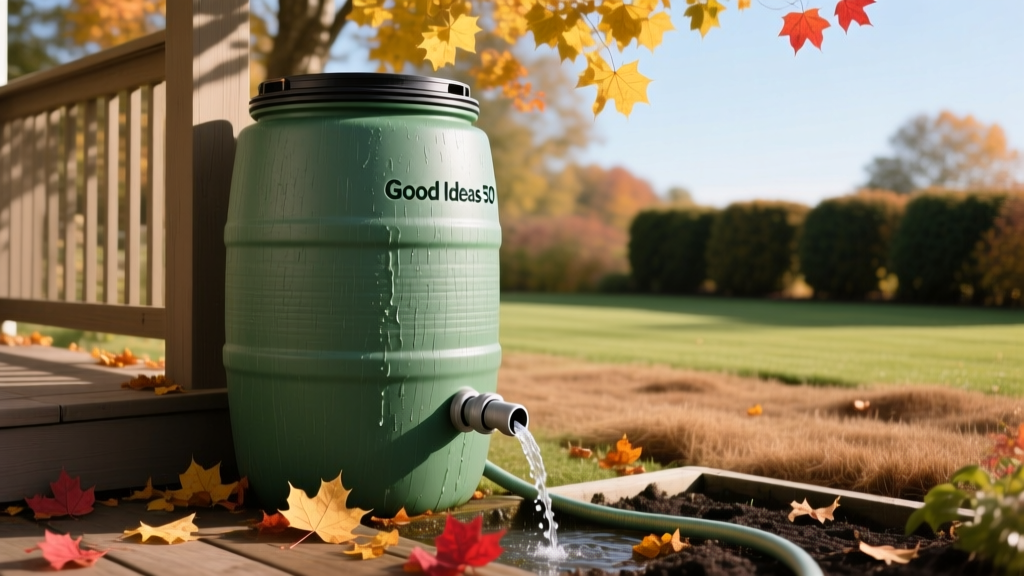
Good Ideas 50-Gallon Rain Barrel Fall Setup Guide 2026
Sarah ChenPublished
Why Fall is the Ideal Season for Rain Barrel Installation
When most homeowners think about lawn and garden upgrades, spring is usually the first season that comes to mind. However, as we navigate the 2026 landscaping season, turf experts and conservationists are increasingly pointing to autumn as the superior time for water harvesting projects. Installing a rain barrel in the fall aligns perfectly with the natural rhythms of your yard, providing immediate benefits for your autumn lawn care routine while setting the stage for a vigorous spring green-up. Fall brings consistent, soaking rains that are perfect for filling a reservoir, and the cooler temperatures mean less evaporation from your storage tank.
Furthermore, autumn is the most critical time for establishing cool-season grasses like Kentucky bluegrass, tall fescue, and perennial ryegrass. These turf types require consistent moisture to develop deep root systems before the ground freezes. By capturing autumn rainfall, you ensure a steady supply of chlorine-free, ambient-temperature water that won't shock your newly seeded lawn or fall-planted bulbs. According to the Environmental Protection Agency (EPA), utilizing rain barrels not only reduces runoff and erosion but also provides a superior, natural water source for your landscape.
Product Spotlight: Good Ideas 50-Gallon Rain Barrel with Spigot
For the 2026 fall season, the Good Ideas 50-Gallon Rain Barrel (often recognized as the Rain Wizard 50) remains a top-tier choice for homeowners seeking durability, functionality, and aesthetic appeal. Manufactured in the USA from BPA-free, UV-resistant polyethylene, this barrel is engineered to withstand the elements while mimicking the look of real oak wood grain. But its true value lies in its functional design, specifically tailored for the demands of seasonal lawn care.
- Brass Spigot Integration: Unlike cheap plastic spigots that crack during temperature fluctuations, the Good Ideas model features a solid brass spigot. This allows you to easily attach a standard garden hose to direct water to your fall-seeded lawn beds or to fill watering cans for delicate fall-planted garlic and tulips.
- Flat-Back Design: The flat back allows the barrel to sit flush against your home's exterior, saving space and preventing it from tipping over in high autumn winds.
- Debris-Resistant Screen: Autumn means falling leaves, pine needles, and acorns. The built-in hardtop screen is fine enough to keep out organic debris and mosquitoes, ensuring your harvested water remains clean and unobstructed.
- Overflow Port: When heavy autumn storms overfill the 50-gallon capacity, the front-facing overflow port safely diverts excess water away from your home's foundation, a crucial feature for fall storm management.
Step-by-Step Fall Installation Guide
Installing the Good Ideas 50-gallon rain barrel is a straightforward DIY project that can be completed in a single autumn afternoon. Follow these steps to ensure a stable, efficient setup before the first frost arrives.
Step 1: Site Preparation and Leveling
Water weighs approximately 8.3 pounds per gallon, meaning a full 50-gallon barrel will weigh over 400 pounds. You cannot simply place it on soft, rain-saturated autumn soil. Begin by excavating a small area beneath your chosen downspout and laying down a compacted gravel base. Next, stack two layers of concrete cinder blocks to elevate the barrel. This elevation is non-negotiable; it creates the necessary gravity pressure to push water through the brass spigot and out to your lawn. Use a carpenter's level to ensure the cinder blocks are perfectly flat, preventing the barrel from leaning when full.
Step 2: Downspout Modification and Diverter Installation
While you can cut your downspout and route it directly into the top of the barrel, using a winter-friendly diverter kit is highly recommended for fall installations. A diverter is installed into the side of your existing downspout and connects to the barrel via a flexible hose. As recommended by the University of Minnesota Extension, diverters are crucial in freezing climates. Once the barrel reaches its 50-gallon capacity, the diverter automatically sends excess water back down the normal downspout. More importantly, when winter hits and you shut off the barrel, the diverter allows your gutter system to function normally, preventing dangerous ice dams on your roof.
Step 3: Spigot and Hose Setup
The Good Ideas barrel comes with a pre-drilled hole for the brass spigot. Wrap the spigot threads with Teflon plumber's tape to ensure a watertight seal, then screw it into place using a wrench. Attach a standard garden hose to the spigot. For fall lawn care, you can run this hose directly to a soaker hose positioned over your newly seeded fescue patches or around the base of newly planted evergreen shrubs that need deep hydration before winter dormancy.
Managing Autumn Debris and Maintenance
The biggest challenge for any rain barrel in the fall is the sheer volume of organic debris. The Good Ideas 50-gallon model features a removable, screw-on lid with a fine mesh screen. During peak leaf-drop in October and November, you should inspect this screen weekly. Simply brush off accumulated leaves and pine needles with a stiff bristle brush. If organic matter sits on the screen and decomposes, it can create a sludge that blocks water flow and introduces tannins into your water supply, which can temporarily stain hardscapes. Keeping the screen clear ensures every autumn downpour is efficiently captured.
Fall Lawn Care Benefits of Harvested Rainwater
Why go through the effort of installing a barrel in the fall? Municipal tap water is often treated with chlorine and chloramines, which can harm the beneficial soil microbes your lawn needs to break down organic matter and prepare for winter. Rainwater is naturally soft, slightly acidic, and completely free of these chemicals. When you use the water from your Good Ideas barrel to water in your fall-applied organic fertilizers or to hydrate your lawn after a core aeration session, you are promoting a healthier, more biologically active soil food web. Additionally, rainwater is at ambient air temperature. Blasting a warm, sun-baked fall lawn with 55-degree municipal water can cause root stress; harvested rainwater matches the outdoor temperature, eliminating thermal shock.
Winterizing Your Good Ideas Rain Barrel
Because you are installing this system in the fall, you must immediately prepare for the upcoming winter freeze. If water freezes inside the polyethylene tank, the expansion can warp the plastic or damage the brass spigot fittings. Before your region's first hard freeze (when nighttime temperatures consistently drop below 28°F), follow these winterization steps:
- Open the brass spigot and drain all remaining water onto your lawn or garden beds.
- Disconnect the flexible hose from the downspout diverter and plug the diverter port with the included winter cap.
- Leave the spigot in the open position throughout the winter to prevent condensation from accumulating and freezing inside the valve.
- Optionally, leave the barrel on its cinder block base, but ensure the lid is screwed on tightly to prevent snowmelt from filling it and creating an ice block.
Fall vs. Spring Installation: A Quick Comparison
| Feature | Fall Installation (Recommended) | Spring Installation |
|---|---|---|
| Soil Conditions | Firm, stable ground after summer drying; easier to level cinder blocks. | Muddy, soft ground from snowmelt; base may shift or sink. |
| Water Quality | Captures clean, cool autumn rains; ideal for fall seeding and bulb planting. | Early spring rains may carry heavy pollen and tree sap. |
| Lawn Care Synergy | Provides chemical-free water for fall aeration, overseeding, and winterizing evergreens. | Primarily used for late-spring garden beds and early vegetable planting. |
| Debris Management | Requires weekly screen cleaning due to falling leaves. | Minimal debris; mostly just spring blossoms and occasional pollen. |
Final Thoughts for the 2026 Season
Upgrading your outdoor infrastructure with the Good Ideas 50-gallon rain barrel with spigot is one of the most impactful fall lawn care projects you can undertake this year. It bridges the gap between sustainable home maintenance and rigorous turf management, ensuring your lawn receives the highest quality water exactly when it needs it most. By taking a single afternoon to install and properly winterize this system, you are investing in a greener, more resilient lawn for 2026 and beyond.
