Home & Garden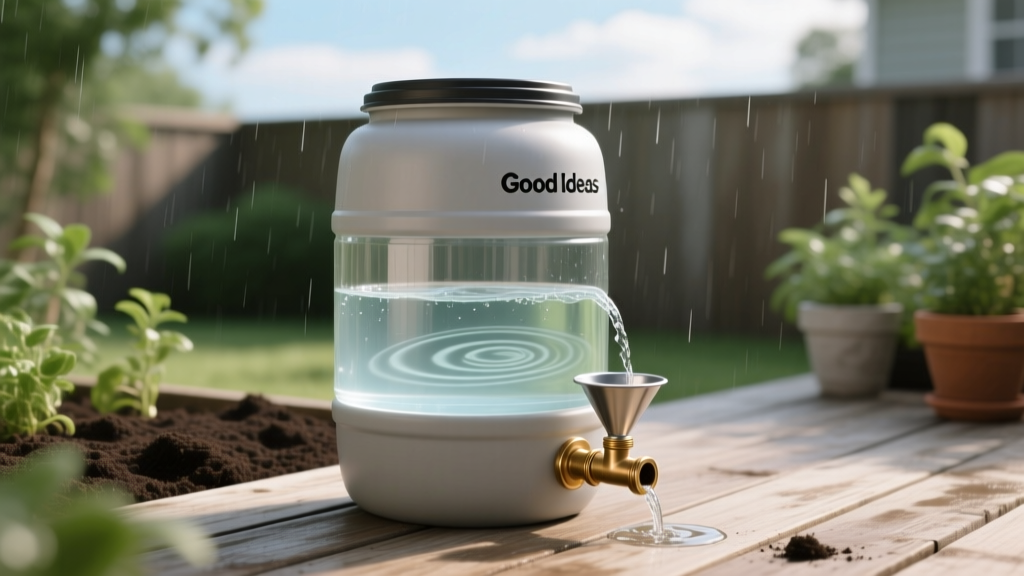
Good Ideas 50-Gallon Rain Barrel Install & Fertilizer Guide 2026
Lisa ThompsonPublished
Bridging Sustainable Water Harvesting and Precision Nutrition
As homeowners in 2026 look to bridge the gap between sustainable landscaping and high-performance lawn care, the intersection of water conservation and nutrient management has never been more critical. Municipal tap water, while safe for human consumption, is often treated with chlorine, chloramines, and fluoride, and frequently possesses a high alkalinity that can hinder plant nutrient uptake. By harvesting natural precipitation, you gain access to a superior, soft, and slightly acidic water source that acts as the perfect carrier for your garden fertilizers.
This comprehensive guide focuses on the installation of the highly rated Good Ideas 50-gallon rain barrel with spigot and details how to leverage this harvested water to optimize your 2026 fertilizer schedules, ensuring maximum nutrient bioavailability for your lawn and garden beds.
Why the Good Ideas 50-Gallon Barrel is the 2026 Standard
The Good Ideas 50-gallon rain barrel (often recognized by its popular Oak or Terra Cotta finishes) remains a top choice for home gardeners this year. Constructed from UV-resistant, food-grade polyethylene, it is designed to withstand extreme temperature fluctuations without becoming brittle. Crucially for fertilizer applications, it features a high-quality brass spigot at the base, an integrated overflow valve, and a removable planter top. The 50-gallon capacity provides enough volume to mix multiple batches of liquid fertilizer during peak summer feeding schedules, while the brass spigot resists the corrosion that often plagues cheaper plastic alternatives.
Step-by-Step Installation for Optimal Gravity Pressure
Proper installation is vital not only for water capture but for generating enough gravity-fed pressure to push water through a soaker hose or a fertilizer injection system. According to Penn State Extension's rain barrel guidelines, elevation is the key to functional gravity pressure.
1. Site Preparation and Base Construction
Never place your rain barrel directly on bare soil. The weight of 50 gallons of water exceeds 400 pounds, which will cause the barrel to sink and tilt, potentially snapping the spigot or misaligning the downspout diverter.
- Level the Ground: Excavate a 2x2 foot area and tamp it down firmly. Add a 2-inch layer of crushed gravel for drainage.
- Build the Base: Use four solid concrete cinder blocks (4x8x16 inches) arranged in a square. Stack a second layer of four blocks on top, offsetting the seams for stability. This provides roughly 16 inches of elevation, yielding approximately 0.58 PSI of pressure at the spigot—enough for filling watering cans and low-pressure drip lines.
2. Downspout Diverter Installation
The Good Ideas barrel typically includes a diverter kit, which is vastly superior to cutting the downspout entirely.
- Measure the height of the barrel's inlet hole from the ground.
- Mark your aluminum or vinyl downspout at this exact height.
- Drill a hole into the downspout using a hole saw matching the diverter's rubber gasket size.
- Insert the diverter tube. During rain events, water fills the barrel; once full, the water backs up in the tube and continues down the normal downspout, preventing foundation flooding.
3. Spigot Sealing
Wrap the threads of the brass spigot with 4-5 layers of PTFE (Teflon) plumber's tape in a clockwise direction. Screw it into the pre-drilled lower port and tighten with an adjustable wrench. Do not overtighten, as the polyethylene housing can crack under extreme torque.
The Chemistry of Rainwater: Unlocking Fertilizer Potential
Why go through the trouble of using rainwater for fertilizer mixing? The answer lies in water chemistry and soil pH. The Environmental Protection Agency (EPA) notes that rainwater harvesting provides a naturally soft water source free from municipal treatment chemicals.
Municipal tap water often has a pH between 7.5 and 8.5 due to dissolved bicarbonates added to prevent pipe corrosion. When you mix liquid fertilizers (like fish emulsion, kelp, or synthetic water-soluble powders) with high-pH tap water, you risk "nutrient lockout." Micronutrients such as iron, manganese, and zinc precipitate out of the solution and become unavailable to plant roots. Rainwater, conversely, is naturally slightly acidic (typically a pH of 5.5 to 6.0 due to dissolved atmospheric carbon dioxide). When used as a carrier for liquid fertilizers, rainwater keeps these vital micronutrients in a soluble state, allowing for immediate foliar and root uptake. As highlighted by University of Minnesota Extension's fertilizer basics, the solubility of nutrients is heavily dependent on the pH of the carrier water and the surrounding soil environment.
2026 Fertilizer Schedules Using Harvested Rainwater
To maximize the benefits of your Good Ideas 50-gallon setup, integrate rainwater into your seasonal feeding schedule. Crucial Rule: Never mix fertilizer directly inside the rain barrel. This will cause massive algae blooms, breed mosquitoes, and create a toxic sludge that ruins the barrel. Always draw the rainwater into a separate 5-gallon mixing bucket.
Spring (April - May): Vegetative Push
As soil temperatures cross 55°F, lawns and perennials require nitrogen. Mix a high-nitrogen liquid fertilizer or organic fish hydrolysate with your harvested rainwater. The slightly acidic rainwater will help break down organic matter in the soil, making the nitrogen more readily available to the grassroots.
Summer (June - August): Stress Mitigation
Summer heat causes cool-season grasses to slow their growth. Switch to liquid kelp or seaweed extracts, which are rich in potassium and cytokinins. Mixing these with rainwater ensures the delicate trace minerals remain bioavailable, helping plants regulate stomatal opening and retain moisture during July droughts.
Fall (September - October): Root Development
Apply a granular phosphorus-heavy fertilizer to encourage deep root growth before winter. Use the rain barrel's spigot to fill a watering can and gently water the granules into the soil. The soft rainwater will dissolve the granular coating faster than hard tap water, moving the phosphorus into the root zone before the ground freezes.
Rainwater Fertilizer Mixing Chart
Use the following table as a baseline for your 2026 garden and lawn care schedule when utilizing water drawn from your Good Ideas barrel.
| Season | Fertilizer Type | Rainwater Mixing Ratio (per 5 Gal) | Target pH of Solution | Application Method |
|---|---|---|---|---|
| Early Spring | Liquid Nitrogen / Fish Emulsion | 2 Tablespoons | 6.0 - 6.5 | Watering Can / Hose-End Sprayer |
| Late Spring | Water-Soluble NPK (20-20-20) | 1 Tablespoon | 5.8 - 6.2 | Backpack Sprayer |
| Mid-Summer | Liquid Kelp / Seaweed Extract | 1 Ounce | 5.5 - 6.0 | Foliar Spray (Early Morning) |
| Early Fall | Liquid Iron / Chelated Micro | 1 Teaspoon | 5.0 - 5.5 | Foliar Spray / Soil Drench |
| Late Fall | Granular Potassium (Winterizer) | N/A (Water-in only) | N/A | Spreader + Rainwater Watering |
Maintenance and Winterization
To ensure your Good Ideas 50-gallon barrel and its brass spigot survive the winter and remain ready for your spring 2026 fertilizer mixing, proper winterization is mandatory.
- Late Autumn Draining: Before the first hard freeze, open the brass spigot and the overflow valve to drain the barrel completely. Water expands when it freezes and will split the polyethylene housing or shatter the brass spigot if left full.
- Diverter Disconnection: Unplug the diverter tube from the barrel's inlet hole and insert the provided winter cap. This prevents snowmelt and ice from backing up into your home's gutter system.
- Spigot Care: Leave the spigot in the open position all winter. If moisture gets trapped inside the ball valve mechanism and freezes, it will destroy the internal seals, leading to leaks when you begin your spring fertilizer regimen.
By pairing the eco-friendly water capture of the Good Ideas 50-gallon rain barrel with a scientifically sound fertilizer schedule, you reduce your reliance on municipal water, lower your utility bills, and provide your landscape with the pure, pH-optimized hydration it needs to thrive in 2026 and beyond.
