Home & Garden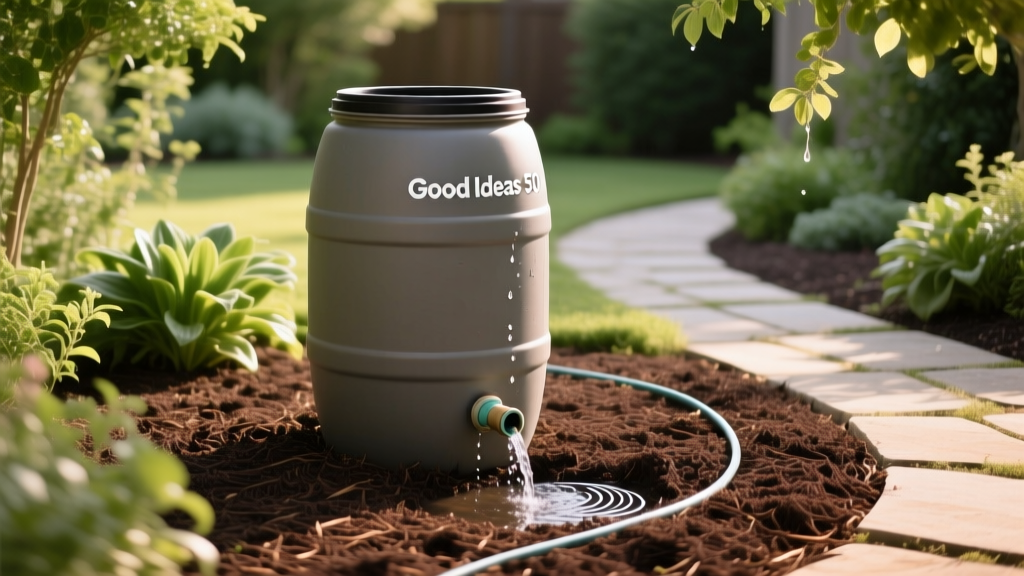
Good Ideas 50-Gallon Rain Barrel Installation & Mulching 2026
Mike RodriguezPublished
Bridging Water Conservation and Mulching Methods in 2026
As municipal water restrictions tighten across the country in 2026, homeowners are increasingly turning to integrated landscape solutions that pair rainwater harvesting with advanced mulching methods. Harvesting rainwater is only half the battle; how you store, distribute, and retain that water in your garden beds dictates your landscape's resilience during peak summer heat. The Good Ideas 50-Gallon Rain Barrel (often recognized under their Rain Wizard line) remains a top-tier choice for residential setups due to its flat-back design, BPA-free polyethylene construction, and integrated spigot capabilities. However, simply placing a barrel under a downspout is no longer sufficient for modern, eco-conscious landscaping. To truly maximize your investment, you must integrate your rain barrel installation with strategic mulching techniques that manage overflow, prevent soil erosion, and create gravity-fed hydration zones.
Why Choose the Good Ideas 50-Gallon Rain Barrel?
The Good Ideas 50-gallon model is engineered specifically for seamless integration into tight outdoor spaces. Measuring approximately 40 inches high, 24 inches wide, and 18 inches deep, its flat back allows it to sit flush against exterior siding. In 2026, this model typically retails between $160 and $190, representing a solid return on investment when paired with local municipal rebate programs. The included brass spigot is a crucial feature, allowing for easy attachment of standard garden hoses or gravity-drip irrigation lines. Unlike cheaper, thin-walled alternatives that degrade under UV exposure, the thick polyethylene resin used by Good Ideas resists cracking and algae growth, ensuring your harvested water remains clean for your garden-to-table vegetable beds.
Step-by-Step Installation: The Mulch-Integrated Approach
Proper installation goes beyond simply cutting your downspout. According to the University of Minnesota Extension, elevating your rain barrel is critical for generating enough water pressure to utilize the spigot effectively. Here is how to install the barrel while preparing the surrounding area for optimal mulching.
1. Preparing the Structural Base
A 50-gallon barrel weighs over 400 pounds when full. You cannot place it directly on bare soil or standard mulch, as it will sink and tip.
- Excavate and Level: Dig out a 3x3 foot square, about 4 inches deep, directly beneath your downspout.
- Add a Gravel Foundation: Fill the excavated area with crushed gravel or pea stone, tamping it down until perfectly level.
- Elevate with Pavers: Stack concrete cinder blocks or heavy-duty patio pavers to raise the barrel at least 12 to 18 inches off the ground. This clearance is mandatory for fitting a watering can under the spigot or attaching a hose.
2. Downspout Diversion and Spigot Setup
Using a hacksaw, cut your aluminum or vinyl downspout at a height that aligns with the top inlet of the Good Ideas barrel. Install a flexible downspout diverter kit, sealing all joints with waterproof silicone. Next, wrap the threads of the brass spigot with PTFE (Teflon) tape and screw it into the pre-drilled lower port, tightening it with a wrench to prevent leaks. Ensure the spigot faces outward, away from the house siding, to direct any minor drips into your designated mulch zone.
Integrating Advanced Mulching Methods with Your Rain Barrel
The intersection of rain barrel installation and mulching methods is where true landscape efficiency is achieved. When heavy spring storms fill your 50-gallon barrel to capacity, the overflow port will discharge a massive volume of water. If this water hits bare soil, it will cause severe erosion and wash away topsoil. By designing an Overflow Mulch Basin, you turn a potential landscaping problem into a deep-watering solution.
The Overflow Mulch Basin Technique
Attach a standard corrugated drain hose to the overflow port near the top of the Good Ideas barrel. Route this hose away from your home's foundation and into a nearby garden bed or tree ring. At the termination point of the hose, dig a shallow trench (about 6 inches deep and 12 inches wide) and fill it with coarse arborist wood chips. This mulch basin acts as a sponge, slowing the velocity of the overflowing rainwater, allowing it to percolate deeply into the root zone rather than running off into the storm drain. The Penn State Extension notes that coarse organic mulches are highly effective at reducing water runoff and maintaining soil moisture gradients during heavy precipitation events.
Gravity-Fed Drip Irrigation into Mulched Beds
Because the Good Ideas barrel relies on gravity rather than a pressurized pump, standard sprinklers will not work. Instead, attach a low-pressure drip irrigation line to the brass spigot. Run the drip lines directly underneath a 3-inch layer of composted hardwood mulch in your vegetable or perennial beds. The mulch layer shields the drip lines from UV degradation, prevents the emitters from clogging with debris, and drastically reduces evaporation, ensuring that every drop of harvested rainwater reaches the plant roots.
Best Mulch Materials for Rain Barrel Zones (2026 Guide)
Not all mulches are created equal, especially in the high-moisture zones immediately surrounding a rain barrel installation. Below is a comparison of the best mulching materials to use around your Good Ideas 50-gallon setup, based on 2026 landscaping supply data.
| Mulch Material | Decomposition Rate | Best Application Zone | Est. Cost per Cubic Yard (2026) |
|---|---|---|---|
| Coarse Arborist Wood Chips | Very Slow (2-4 years) | Overflow basins and erosion control trenches | $25 - $40 |
| Composted Hardwood Bark | Medium (1-2 years) | General garden beds receiving drip-line irrigation | $45 - $65 |
| Pine Bark Nuggets | Extremely Slow | Decorative base borders (outside the structural gravel base) | $60 - $85 |
| Cedar Mulch (Shredded) | Slow | Perimeter weed suppression around the barrel base | $55 - $75 |
Pro Tip: Never place fine mulches like peat moss or shredded leaves directly in the overflow basin. These materials become hydrophobic when dry and form an impermeable mat when flooded, defeating the purpose of the drainage basin. Stick to coarse, chunky materials for overflow zones.
Smart Home Integration for Gravity Drip Systems
While the Good Ideas 50-gallon barrel is an analog storage device, you can bridge it with modern smart home technology. In 2026, battery-operated, low-pressure smart hose timers (such as those from Orbit B-hyve or Rachio) can be attached directly to the barrel's spigot. By pairing the smart timer with wireless soil moisture sensors buried within your mulched garden beds, the system will automatically open the spigot valve only when the soil beneath the mulch layer drops below a specific moisture threshold. This ensures you never waste your harvested rainwater, and the mulch layer guarantees the applied water stays in the root zone longer.
Seasonal Maintenance and Winterization
To protect your investment and your mulching infrastructure, seasonal maintenance is required. In late autumn, before the first hard freeze, you must drain the Good Ideas barrel completely. Water expands when it freezes, which will crack even the thickest polyethylene. Leave the brass spigot in the open position all winter. Furthermore, use this time to refresh the mulch in your overflow basin. Rake out any sediment or silt that washed in from the roof gutters during the year, and top off the basin with a fresh 2-inch layer of coarse wood chips to prepare for the spring thaw.
Conclusion
Installing a Good Ideas 50-gallon rain barrel with a spigot is a highly effective way to reduce your municipal water footprint in 2026. However, the true magic happens when you view the barrel not as an isolated accessory, but as the central hub of a broader mulching and water-retention strategy. By elevating the barrel on a stable base, directing overflow into coarse wood chip basins, and routing gravity-fed drip lines beneath composted hardwood mulch, you create a closed-loop hydration system. Your landscape will thrive, your soil will remain rich and uncompacted, and your garden-to-table harvests will benefit from the pure, untreated rainwater nature intended them to have.
