Home & Garden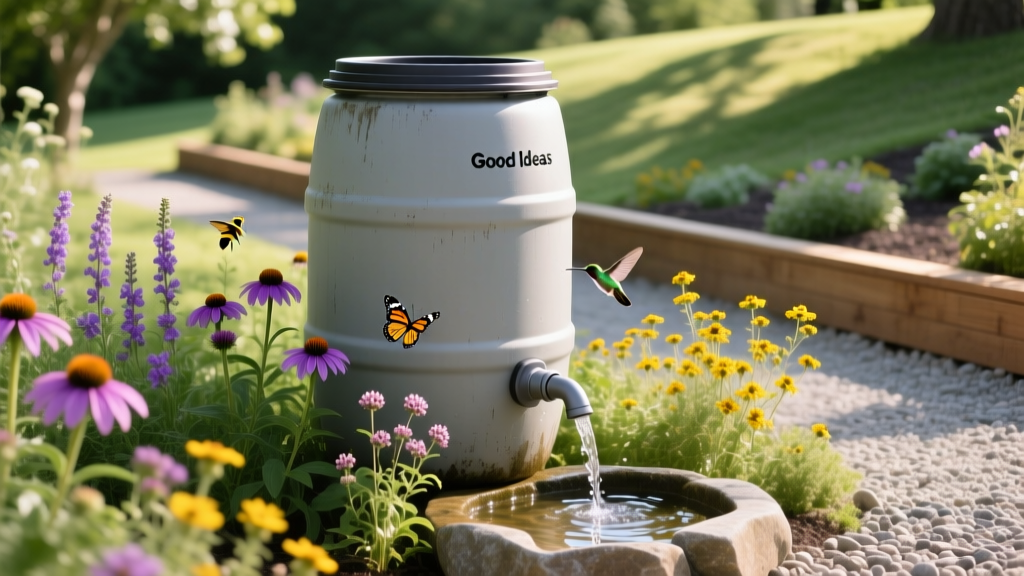
Good Ideas 50-Gallon Rain Barrel Pollinator Garden Guide 2026
Emily WatsonPublished
Why Rainwater Harvesting Matters for Pollinator Gardens in 2026
As environmental awareness peaks in 2026, homeowners are increasingly recognizing that a thriving garden is about more than just vibrant blooms; it is about cultivating a resilient ecosystem. At the heart of this movement is pollinator-friendly garden design, which prioritizes the health of bees, butterflies, and hummingbirds. While planting native milkweed and coneflowers is a fantastic start, how you water your garden plays an equally critical role in supporting these vital creatures. Municipal tap water is often treated with chlorine and chloramines—chemicals designed to make water safe for human consumption but which can inadvertently harm the delicate soil microbiomes that native pollinator plants rely on.
Furthermore, traditional overhead watering with a garden hose can flood the underground nests of native ground-dwelling bees, which make up nearly 70% of North America's native bee species. By transitioning to a localized, gravity-fed rainwater system, you provide pure, chemical-free hydration to your plants while creating specialized micro-habitats for pollinators. According to The Xerces Society for Invertebrate Conservation, providing clean, accessible water sources is one of the most effective, yet frequently overlooked, steps in comprehensive pollinator conservation.
Spotlight: The Good Ideas 50-Gallon Rain Barrel with Spigot
When selecting a rain harvesting system that balances aesthetics, durability, and functionality for a pollinator garden, the Good Ideas 50-Gallon Rain Wizard remains a top-tier choice for the 2026 gardening season. Priced competitively at an average of $145, this barrel is rotomolded from UV-resistant polyethylene, ensuring it won't crack under the summer sun or degrade over time.
Measuring approximately 33.5 inches in height, 24 inches in width, and 22 inches in depth, its flat-back design allows it to sit flush against your home's exterior, preventing tipping and saving valuable garden bed space. Crucially for pollinator gardeners, it features a high-quality brass spigot positioned near the base. This spigot allows for precise, low-pressure water release, making it incredibly easy to attach a drip irrigation line or gently fill shallow pollinator watering stations without disturbing the soil. The top is fitted with a fine mesh screen that keeps out debris and, most importantly, prevents mosquitoes from breeding—a vital feature for maintaining a healthy outdoor living space.
Step-by-Step Installation Guide for Maximum Garden Benefit
Proper installation ensures your rain barrel operates efficiently and integrates seamlessly into your landscape. The University of Minnesota Extension emphasizes that a stable base and correct downspout diversion are the keys to a long-lasting setup.
1. Select the Optimal Location
Choose a downspout that is adjacent to your primary pollinator garden bed. You want to minimize the distance you need to run hoses from the spigot to your native perennials. Ensure the ground is level and capable of supporting significant weight; a full 50-gallon barrel weighs over 400 pounds.
2. Build a Stable, Elevated Base
Gravity is the driving force behind your spigot's water pressure. Elevate the Good Ideas barrel by 12 to 18 inches using a base of compacted gravel topped with solid concrete cinder blocks. This elevation not only increases water pressure for your drip lines but also provides clearance to place a watering can directly beneath the spigot.
3. Install the Downspout Diverter
Rather than cutting the downspout entirely, use the included diverter kit. Cut a hole in your downspout at the exact height of the barrel's top inlet. Attach the diverter hose. This method is highly recommended by the EPA's WaterSense program because once the barrel reaches capacity, excess water simply bypasses the diverter and continues down the original downspout, preventing foundation flooding.
4. Attach and Seal the Spigot
Wrap the threads of the brass spigot with plumber's tape and screw it tightly into the pre-drilled lower fitting. Apply a bead of waterproof silicone sealant around the exterior edge to prevent micro-leaks that could create unintended muddy patches and wash away ground-nesting bee habitats.
Integrating Your Rain Barrel into a Pollinator-Friendly Design
Once your Good Ideas 50-gallon rain barrel is installed, you can leverage its pure water output to create specialized pollinator habitats that municipal water simply cannot support safely.
Creating a Butterfly Puddling Station
Male butterflies engage in a behavior known as "puddling," where they gather on wet mud or sand to extract essential salts and minerals. Tap water lacks these minerals and contains chlorine that can deter them. Use your rain barrel spigot to gently moisten a shallow terracotta saucer filled with coarse sand, compost, and a pinch of sea salt. Place this station in a sunny spot near your nectar-rich flowers, using the spigot to maintain the perfect, damp consistency throughout the hot 2026 summer days.
Low-Pressure Drip Irrigation for Native Beds
Connect a standard soaker hose to the brass spigot and weave it through your deep-rooted native plants like Swamp Milkweed (Asclepias incarnata) and Joe-Pye Weed (Eutrochium purpureum). Because the Good Ideas barrel relies on gravity, the water seeps out slowly and deeply, encouraging strong taproots without causing the soil erosion that destroys the burrows of native sweat bees and bumblebees.
Designing an Overflow Rain Garden
When heavy summer thunderstorms fill your 50-gallon barrel to the brim, the diverter will send the overflow down your downspout. Direct this overflow into a shallow depression planted with moisture-loving pollinator favorites like Blue Flag Iris (Iris versicolor) and Cardinal Flower (Lobelia cardinalis). This creates a secondary, highly attractive micro-habitat that thrives on the extra runoff.
Rainwater vs. Municipal Water: A Pollinator Perspective
| Feature | Rainwater (Good Ideas Barrel) | Municipal Tap Water |
|---|---|---|
| Chemical Content | Zero chlorine/chloramines; supports soil mycorrhizae. | Contains disinfectants that can harm soil biology. |
| pH Level | Naturally slightly acidic; ideal for nutrient uptake. | Often alkaline; can lock up iron and manganese. |
| Temperature | Ambient outdoor temperature; prevents plant shock. | Often very cold from deep pipes; shocks roots. |
| Impact on Ground-Nesting Bees | Drip application preserves underground tunnel structures. | High-pressure hoses frequently collapse nests. |
Maintenance and Safe Mosquito Control
A common concern with any water feature in a pollinator garden is the potential for mosquito breeding. Fortunately, the Good Ideas Rain Wizard features a tightly secured, fine-mesh debris screen on the top inlet that blocks adult mosquitoes from entering. However, if any standing water does accumulate in the overflow valve or the screen's depression, it is imperative to treat it safely.
Never use chemical pesticides or broad-spectrum insecticides near your rain barrel, as these will inevitably leach into your garden beds and harm the very butterflies and bees you are trying to protect. Instead, use Bti (Bacillus thuringiensis israelensis) dunks. Bti is a naturally occurring bacterium that specifically targets mosquito and black fly larvae. According to leading entomological research, Bti is completely non-toxic to bees, butterflies, birds, and pets. Dropping a quarter of a Bti dunk into your barrel once a month ensures your water remains a safe haven for pollinators without contributing to local mosquito populations.
As you plan your 2026 landscape upgrades, integrating the Good Ideas 50-gallon rain barrel with a spigot is a profound step toward ecological stewardship. It reduces your reliance on treated municipal water, lowers your utility bills, and provides the pure, life-sustaining hydration that native pollinators desperately need to thrive in an increasingly urbanized world.
