Home & Garden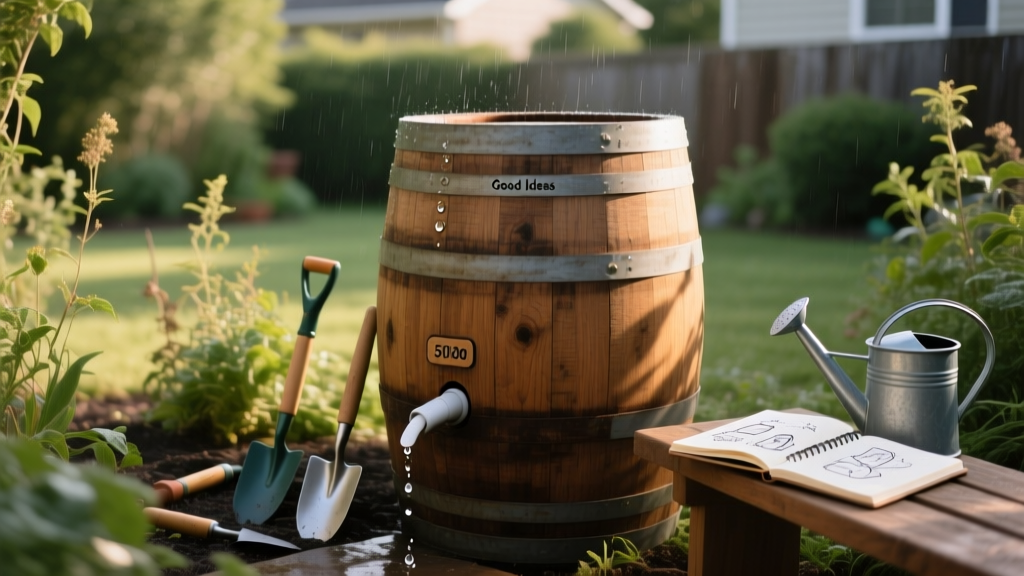
Good Ideas 50-Gallon Rain Barrel Install & Photo Guide 2026
Emily WatsonPublished
Introduction: Merging Sustainability with Visual Storytelling
In the modern home and garden landscape of 2026, sustainability and aesthetic documentation go hand in hand. Homeowners are no longer just installing eco-friendly upgrades; they are curating visual journals of their landscape transformations. Rainwater harvesting is a cornerstone of this movement. According to the Environmental Protection Agency (EPA), capturing rainwater reduces runoff, prevents erosion, and provides a free, chlorine-free water source for your plants. But how do you turn a utilitarian DIY project into a compelling visual narrative? This guide bridges the gap between practical garden maintenance and the art of garden photography, focusing specifically on the installation and documentation of the Good Ideas 50-gallon rain barrel with a brass spigot.
Why the Good Ideas 50-Gallon Rain Barrel?
The Good Ideas Rain Wizard 50-gallon barrel remains a top choice in 2026 for gardeners who value both function and form. Unlike stark, industrial plastic tanks, this barrel features a molded oak wood-grain texture and a flat-back design. From a photographic perspective, the flat back allows it to sit flush against your home's siding, creating clean, unbroken leading lines in your wide-angle shots. The faux-oak texture blends seamlessly with natural mulch, cedar fencing, and lush garden beds, preventing the barrel from looking like an eyesore in your landscape photos. Furthermore, the included brass spigot offers a beautiful metallic contrast for macro photography, especially when capturing the refraction of light through water droplets during the first flow test.
Pre-Installation: Planning the Perfect Shot
Before you pick up a drill or a shovel, you must pick up your camera. The foundation of a great garden documentation project is the 'Before' gallery. Scout your downspout locations and evaluate the lighting conditions at different times of the day.
Scouting for Light and Composition
- The Golden Hour: Plan your primary 'Before' and 'After' photos during the golden hour (shortly after sunrise or just before sunset). The warm, directional light will accentuate the wood-grain texture of the Good Ideas barrel and cast long, dramatic shadows across your garden beds.
- Rule of Thirds: When framing your 'Before' shots of the bare downspout, place the downspout on the right or left third line of your viewfinder, leaving negative space where the barrel will eventually reside. This helps the viewer visualize the upcoming transformation.
- Contextual Wide Shots: Take wide-angle photos that include the surrounding architecture and garden beds. In 2026, ultra-wide smartphone lenses are standard; use them to capture the full scope of the project area.
Step-by-Step Installation and Action Photography
Documenting the physical labor is where your visual journal truly comes to life. Set up a tripod in a corner of your yard to capture a time-lapse of the installation process. Most modern 2026 mirrorless cameras and flagship smartphones feature built-in intervalometers perfect for this task.
Step 1: Leveling the Base
A rain barrel must be elevated to allow gravity to feed the spigot. Build a sturdy base using cinder blocks or a specialized resin stand. Photo Tip: Get low to the ground with a wide aperture (f/2.8 or f/4) to capture the texture of the cinder blocks and the leveling process, keeping the background garden softly blurred (bokeh) to emphasize the foundation work. According to Penn State Extension, a stable, level base is critical to prevent the barrel from tipping when full, as 50 gallons of water weighs over 400 pounds.
Step 2: Installing the Diverter Kit
The Good Ideas kit includes a downspout diverter. You will need to cut a section of your downspout and insert the diverter hose. Photo Tip: Action shots of hands using a hacksaw or drilling into the downspout convey the DIY spirit. Use a fast shutter speed (1/500s or faster) to freeze the motion of sawdust or metal shavings. Ensure your subject's hands are well-lit, using a portable LED fill light if the eaves of your house cast deep shadows.
Step 3: Attaching the Brass Spigot
Wrap the spigot threads in plumber's tape and screw it into the pre-drilled lower hole. Photo Tip: Switch to a macro lens or your smartphone's macro mode. Focus tightly on the brass threads and the white plumber's tape. The contrast between the bright brass and the dark oak-textured resin makes for a striking detail shot that highlights the quality of the hardware.
Recommended Camera Settings for Garden DIY Documentation
Capturing a dynamic outdoor project requires adjusting your settings on the fly. Use this reference table to ensure your photos are crisp, well-exposed, and visually engaging.
| Shot Type | Aperture | Shutter Speed | ISO | Notes for 2026 Gear |
|---|---|---|---|---|
| Wide 'Before/After' | f/8 - f/11 | 1/125s | 100-200 | Use HDR mode to balance bright skies and shaded siding. |
| Action / Time-Lapse | f/5.6 | 1/500s | 400-800 | Set intervalometer to 1 shot every 10 seconds. |
| Macro Spigot Detail | f/2.8 - f/4 | 1/250s | 200 | Use focus peaking to ensure brass threads are razor-sharp. |
| Water Flow Test | f/4 | 1/1000s | 400 | Fast shutter freezes water droplets; use burst mode. |
Post-Installation: Capturing Aesthetic Integration
Once the barrel is in place, the diverter is connected, and the system is tested, it is time to integrate the barrel into your landscape visually. A bare barrel against a wall looks unfinished. Surround the base with river rocks, shade-loving ferns, or creeping thyme to soften the hard edges of the resin.
The First Flow Test
Hook up your garden hose to the brass spigot and turn it on. This is a milestone moment for your documentation. Position yourself at eye level with the spigot. Use a fast shutter speed to capture the explosive splash of the first water hitting the soil or watering can. The brass hardware will catch the sunlight, serving as a brilliant focal point in your image.
Landscaping and Styling
After the initial test, style the area. Place a vintage galvanized watering can beneath the spigot. Drape a coiled, high-quality expandable hose neatly to the side. Take your 'After' photos from the exact same tripod height and angle as your 'Before' photos. In 2026, many garden journaling apps feature an 'onion skin' overlay tool that allows you to align your camera perfectly with a previous shot, ensuring flawless before-and-after comparisons for your blog or social media.
Building Your 2026 Garden Visual Journal
Documentation does not end when the installation is complete. A rain barrel is a living part of your garden's ecosystem. Track the water levels, the seasonal changes in the surrounding plants, and the volume of water harvested during heavy spring storms.
- Weekly Check-Ins: Take a photo of the barrel's overflow valve or water level indicator every Sunday morning. Over a year, this creates a compelling visual diary of your local weather patterns and your garden's hydration needs.
- Seasonal Shifts: Photograph the barrel in the autumn surrounded by fallen leaves, and in the winter (if you winterize and drain it according to local guidelines) covered in frost or snow. The faux-oak texture provides a warm visual anchor even in the bleakest winter landscapes.
- Smart Integration: Many 2026 smart home ecosystems allow you to connect inline water flow meters to your rain barrel spigot. Document the digital data alongside your photography, creating infographics that show exactly how many gallons of municipal water you offset each month.
Conclusion
Installing the Good Ideas 50-gallon rain barrel with a spigot is a highly rewarding weekend project that pays dividends for your garden and the environment. By approaching the installation through the lens of a photographer, you elevate a simple DIY task into a rich, visual story. From the meticulous macro shots of the brass spigot to the sweeping golden-hour portraits of your newly sustainable landscape, your garden journal will serve as both a personal milestone and an inspiration to fellow eco-conscious gardeners. Grab your camera, level your base, and start capturing the beauty of water conservation today.
