
Landscaping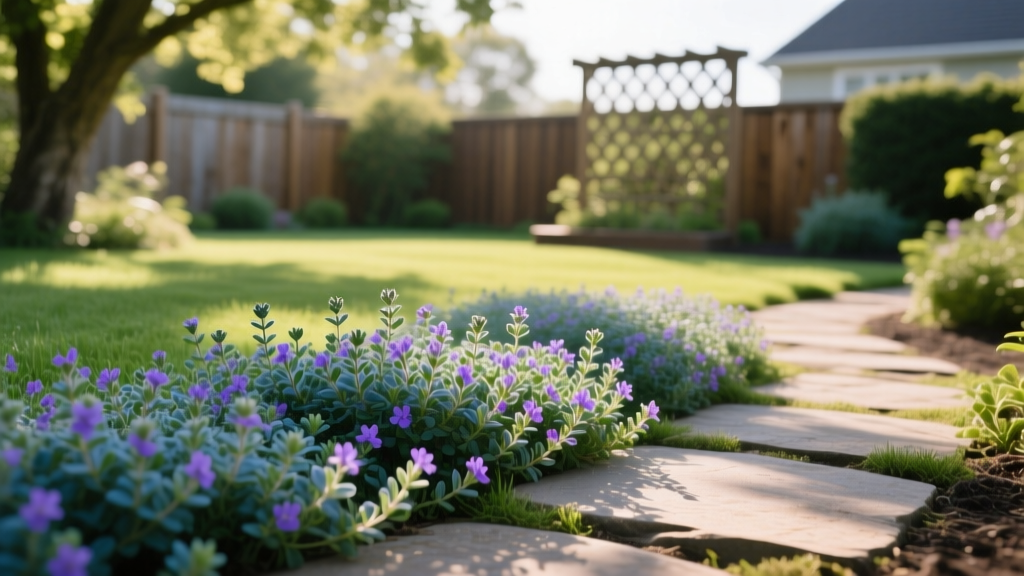
How to Grow a Creeping Thyme Lawn: A Beginner's Guide
James MillerPublished
Why Choose Creeping Thyme for Your Landscape?
Traditional turfgrass lawns require constant mowing, frequent watering, and regular applications of synthetic fertilizers. For beginners looking to simplify their landscape design while boosting curb appeal, replacing grass with a creeping thyme lawn is a brilliant, low-maintenance alternative. Creeping thyme (Thymus serpyllum and related species) is a hardy, evergreen perennial groundcover that forms a dense, fragrant mat over the soil.
Beyond its aesthetic appeal, creeping thyme is an eco-friendly landscaping choice. According to the Environmental Protection Agency (EPA), outdoor water use accounts for nearly 30% of total household water consumption, with traditional lawns being the primary culprit. By transitioning to a drought-tolerant thyme lawn, homeowners can drastically reduce their water footprint while creating a vibrant habitat for essential pollinators like bees and butterflies.
Best Creeping Thyme Varieties for Lawns
Not all thyme varieties are created equal when it comes to serving as a lawn substitute. Some grow too tall, while others cannot withstand foot traffic. Below is a comparison chart of the best beginner-friendly creeping thyme varieties for landscaping projects.
| Variety Name | Botanical Name | Mature Height | Bloom Color | Foot Traffic Tolerance |
|---|---|---|---|---|
| Elfin Thyme | Thymus serpyllum 'Elfin' | 1-2 inches | Lavender/Pink | High |
| Red Creeping Thyme | Thymus praecox 'Coccineus' | 2-3 inches | Deep Magenta | Moderate to High |
| Woolly Thyme | Thymus pseudolanuginosus | 2-3 inches | Rare/Pale Pink | Low (Best for borders) |
| White Creeping Thyme | Thymus praecox 'Albiflorus' | 2-3 inches | White | Moderate |
For high-traffic areas like pathways or play zones, Elfin Thyme is widely considered the gold standard due to its incredibly tight growth habit and tough foliage.
Site Preparation and Soil Requirements
The most common mistake beginners make when planting groundcovers is ignoring soil drainage. Thyme is native to the Mediterranean and alpine regions, meaning it despises wet, soggy roots. The North Carolina State Extension Plant Database emphasizes that Thymus serpyllum requires excellent drainage and prefers a slightly alkaline to neutral soil pH (6.0 to 8.0).
How to Prepare Your Site:
- Clear the Area: Remove all existing grass and weeds. Use a sod cutter for large areas or smother the grass with cardboard and mulch for 6-8 weeks (sheet mulching).
- Test and Amend Soil: If you have heavy clay soil, you must amend it. Till the top 6 inches of soil and mix in a 2-inch layer of coarse builder's sand or pea gravel to improve drainage.
- Level the Ground: Rake the area smooth and tamp it down lightly to create an even planting bed.
- Sunlight Check: Ensure your chosen site receives at least 6 to 8 hours of direct sunlight daily. Thyme will become leggy and prone to fungal diseases in deep shade.
Step-by-Step Planting Guide: Seeds vs. Plugs
While you can grow creeping thyme from seed, most landscaping professionals and master gardeners recommend using plugs (small, pre-rooted starter plants) for a faster, more uniform lawn. Seeds are cheaper but can take up to two years to form a solid mat and are highly susceptible to being washed away by rain or outcompeted by weeds.
Planting Thyme Plugs (Recommended for Beginners)
- Timing: Plant in early spring after the last frost, or in early fall (about 6 weeks before the first expected freeze) so roots can establish before extreme temperatures.
- Spacing: Dig small holes and space your plugs 6 to 12 inches apart in a staggered, diamond-like grid pattern. Closer spacing (6 inches) yields a full lawn in one season but costs more; wider spacing (12 inches) saves money but takes two seasons to fill in.
- Planting Depth: Place the plug in the hole so the crown (where the stems meet the roots) is level with the surrounding soil. Do not bury the stems, or they will rot.
- Initial Watering: Water the newly planted plugs deeply but gently to settle the soil around the roots.
Watering, Feeding, and Maintenance
One of the greatest benefits of a thyme lawn is how little it demands once established. However, the first year requires some hands-on care to ensure survival.
Watering Schedule
- Weeks 1-4: Water lightly every 2-3 days to keep the top inch of soil moist. Do not let the soil become waterlogged.
- Months 2-6: Transition to deep, infrequent watering (about 1 inch of water per week). This encourages deep root growth.
- Year 2 and Beyond: Your thyme lawn will be highly drought-tolerant. It will only need supplemental watering during prolonged periods of extreme heat and zero rainfall.
Fertilizing and Weeding
Do not fertilize creeping thyme. Rich soils and high-nitrogen fertilizers will cause the plant to produce excessive, weak foliage that loses its signature aroma and becomes vulnerable to pests. Instead, apply a thin, 1/2-inch top-dressing of compost in early spring to provide gentle, slow-release nutrients.
Weeding is your primary maintenance task during the first year. Because thyme grows low to the ground, it cannot shade out aggressive weeds like dandelions or bindweed until it forms a solid mat. Hand-pull weeds carefully to avoid disturbing the shallow thyme roots. Once the thyme knits together, it will naturally suppress most weed growth.
Integrating Thyme with Hardscaping and Garden Beds
Creeping thyme is not just for open lawn spaces; it is a powerhouse plant for hardscaping integration. Landscape designers frequently use low-growing thyme varieties to soften the harsh edges of stone pathways, patios, and retaining walls. When planted between flagstones or pavers, thyme acts as a living joint filler that prevents soil erosion, suppresses weeds, and releases a delightful fragrance when stepped on. To plant between pavers, simply use a hand trowel or a specialized weeding tool to scrape out the existing sand or gravel from the joints to a depth of about two inches. Fill the gap with a well-draining potting mix, press a small thyme division or seedling into the space, and water gently. Ensure that the pavers are set on a base that allows for some water permeability, as completely sealed concrete joints will drown the thyme roots during heavy rains.
Furthermore, thyme serves as an excellent living mulch in raised vegetable garden beds. Planting it around the base of tomatoes, peppers, or roses helps retain soil moisture and deters certain pests with its strong aromatic oils, all while requiring zero additional fertilizer that might imbalance your vegetable garden's nutrient profile.
Cost Breakdown: Thyme Lawn vs. Traditional Turf
Understanding the financial investment is crucial for any landscaping project. While a thyme lawn has a higher upfront material cost compared to grass seed, the long-term savings on water, mowing equipment, and chemicals make it a financially sound decision. Below is an estimated cost comparison for a 500-square-yard area.
| Cost Factor | Traditional Turfgrass (Sod) | Creeping Thyme (Plugs) | Creeping Thyme (Seed) |
|---|---|---|---|
| Material Cost | $250 - $400 | $800 - $1,200 | $40 - $80 |
| Soil Prep & Amendments | $100 - $150 | $150 - $250 | $150 - $250 |
| Annual Water Cost | $300 - $600+ | $50 - $100 | $50 - $100 |
| Annual Maintenance (Mowing/Fertilizer) | $200 - $500 | $0 | $0 |
| Time to Full Coverage | Immediate | 1 - 2 Seasons | 2 - 3 Seasons |
For beginners on a strict budget, starting with seeds in a small, defined garden bed or between stepping stones is a great way to test the waters before committing to a full-yard plug installation.
Final Thoughts on Growing a Thyme Lawn
Replacing a traditional lawn with creeping thyme is a rewarding landscaping project that pays dividends in curb appeal, ecological benefits, and weekend free time. By selecting the right variety for your foot traffic needs, amending your soil for optimal drainage, and exercising patience during the first year of establishment, you will cultivate a lush, fragrant, and resilient groundcover. For more data on selecting water-wise landscape plants suitable for your specific microclimate, consult the University of California's WUCOLS database, an invaluable tool for sustainable garden planning.

