
Landscaping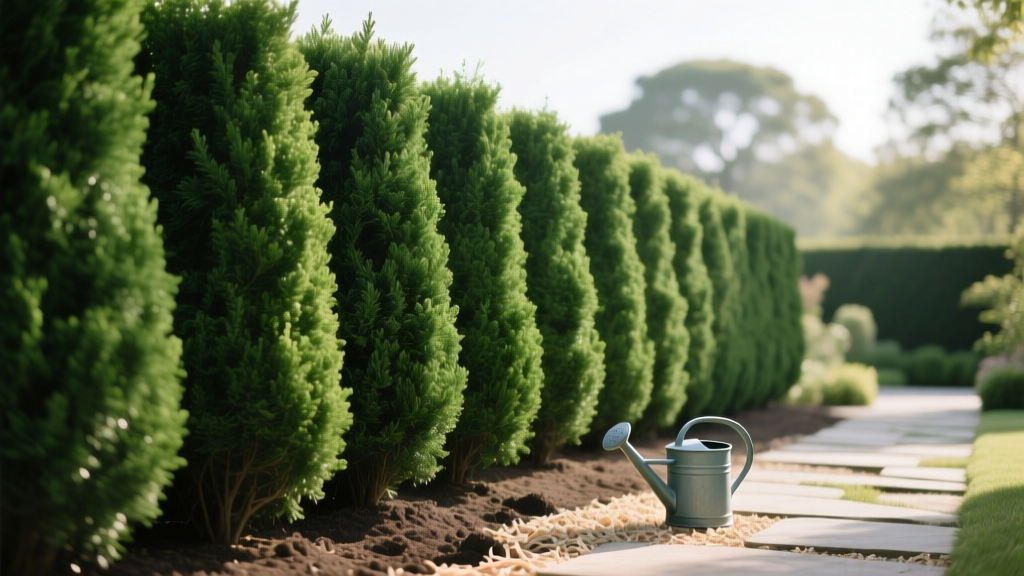
Growing Emerald Green Arborvitae: Beginner Privacy Hedge Guide
Emily WatsonPublished
Introduction to Privacy Landscaping
Creating a secluded outdoor living space is one of the most rewarding landscaping projects a homeowner can undertake. Whether you are looking to block the view of a busy street, create a windbreak, or simply establish a quiet sanctuary in your backyard, a living privacy screen is an elegant and sustainable solution. For beginners navigating the vast world of landscape design, choosing the right plants can feel overwhelming. However, one standout option consistently rises to the top of the list for its reliability, dense foliage, and manageable size: the Emerald Green Arborvitae (Thuja occidentalis 'Smaragd'). This beginner-friendly growing guide will walk you through everything you need to know to successfully plant, grow, and maintain a lush, low-maintenance privacy hedge that will enhance your property's curb appeal and functionality for decades.
Why Emerald Green Arborvitae is Perfect for Beginners
When designing a privacy screen, many beginners make the mistake of selecting fast-growing trees that quickly outgrow their designated space, eventually requiring expensive professional removal or aggressive annual pruning. Emerald Green Arborvitae offers a refreshing alternative. According to the Morton Arboretum, this specific cultivar is prized for its compact, pyramidal shape and vibrant, year-round emerald foliage. Unlike other evergreens that turn a dull bronze or brown in the harsh winter months, Emerald Green retains its rich color, providing consistent visual interest and screening even in the dead of winter.
Furthermore, these shrubs are highly adaptable to a variety of soil types, provided there is adequate drainage. They are naturally resistant to many common pests and diseases, and their slow-to-moderate growth rate means you will spend significantly less time wielding a hedge trimmer. For a beginner looking to establish a formal or semi-formal landscape border without committing to a high-maintenance regimen, this arborvitae variety is an unparalleled choice.
Privacy Shrub Comparison Chart
Before committing to your landscape design, it is helpful to understand how Emerald Green stacks up against other popular privacy shrubs. The table below outlines key metrics to help you make an informed decision based on your specific yard dimensions and climate zone.
| Shrub Variety | Mature Height | Mature Width | Growth Rate | Best USDA Zones |
|---|---|---|---|---|
| Emerald Green Arborvitae | 12-15 ft | 3-4 ft | Medium (6-12 in/yr) | 2-7 |
| Green Giant Arborvitae | 40-60 ft | 12-18 ft | Fast (3-5 ft/yr) | 5-8 |
| Degroot's Spire Arborvitae | 15-20 ft | 3-5 ft | Medium (6-12 in/yr) | 3-7 |
| Nellie Stevens Holly | 15-25 ft | 8-12 ft | Fast (2-3 ft/yr) | 7-9 |
As the data illustrates, while the Green Giant is excellent for massive rural properties, it will quickly overwhelm a standard suburban yard. Emerald Green provides the perfect balance of height and narrow width, making it ideal for planting along property lines where space is at a premium.
Step-by-Step Planting Guide
1. Timing and Estimated Costs
The optimal time to plant your privacy hedge is in the early spring, just after the ground has thawed, or in the early fall, at least six weeks before the first hard frost. Planting during these cooler windows allows the root system to establish without the stress of peak summer heat. When budgeting for your project, expect to spend between $40 and $90 per shrub for a healthy, 5-to-6-foot-tall specimen in a 5-gallon or 7-gallon nursery pot. While smaller plants are cheaper, starting with taller shrubs provides immediate privacy and reduces the waiting time for your screen to fill in.
2. Spacing and Layout
Proper spacing is critical for a dense, healthy hedge. The Clemson Cooperative Extension recommends considering the mature width of your chosen plants. For Emerald Green Arborvitae, which reaches a mature width of 3 to 4 feet, you should space the center of each root ball exactly 3 to 4 feet apart. If you plant them closer than 3 feet, the shrubs will compete aggressively for water and nutrients, leading to stunted growth and interior dieback due to a lack of sunlight and air circulation. Use a string line and marking paint to lay out a perfectly straight trench line before you begin digging.
3. Digging and Soil Preparation
When digging your planting holes, the golden rule is to dig wide, not deep. Each hole should be two times wider than the nursery pot to encourage lateral root expansion, but no deeper than the root ball itself. Planting an arborvitae too deep is a fatal beginner mistake that can suffocate the roots and rot the trunk. When you place the shrub in the hole, the top of the root flare (where the trunk widens at the base) should be level with or slightly above the surrounding grade. Backfill the hole with the native soil you removed. Avoid the temptation to heavily amend the backfill with rich potting soil or compost, as this can create a "bathtub effect" where water pools in the loose soil and drowns the roots. Instead, rely on a proper top-dressing of mulch to slowly improve soil structure over time.
Ongoing Care and Maintenance
Watering and Mulching
Newly planted arborvitae require consistent moisture to establish their root systems. During the first two growing seasons, provide 1 to 2 inches of water per week, either through rainfall or supplemental deep watering using a soaker hose. Shallow, frequent sprinkling encourages weak surface roots; instead, water slowly and deeply to drive moisture down into the soil profile. After watering, apply a 2-to-3-inch layer of organic mulch, such as shredded hardwood bark or pine needles, around the base of the hedge. Mulch regulates soil temperature, retains moisture, and suppresses weed competition. However, ensure the mulch is kept at least 3 inches away from the physical trunk of the shrubs to prevent rodent damage and fungal diseases.
Fertilizing and Pruning
Arborvitae are relatively light feeders. According to the University of Minnesota Extension, an annual application of a balanced, slow-release fertilizer (such as a 10-10-10 or 12-12-12 NPK formula) in the early spring is usually sufficient. Apply the fertilizer evenly beneath the drip line of the shrubs and water it in thoroughly. As for pruning, Emerald Green Arborvitae naturally maintains its neat pyramidal form with minimal intervention. If you do need to trim stray branches or shape the hedge, do so in late spring or early summer. Never cut back into the old, brown wood near the center of the shrub, as arborvitae will not regenerate new foliage from bare, woody stems.
Common Beginner Mistakes to Avoid
- Planting in Heavy Shade: While they can tolerate light afternoon shade, arborvitae require full sun (at least 6 hours of direct sunlight daily) to maintain their dense foliage. In heavy shade, the hedge will become thin, sparse, and leggy.
- Ignoring Winter Burn: In regions with harsh, windy winters, evergreens can lose moisture through their needles faster than the frozen ground can replace it, resulting in brown, scorched foliage on the windward side. To prevent this, ensure your hedge is deeply hydrated late into the fall before the ground freezes, and consider wrapping young shrubs in burlap during their first winter.
- Over-Fertilizing: Applying too much nitrogen can cause a rapid, weak flush of growth that is highly susceptible to pest damage and winter breakage. Stick to the recommended slow-release dosages.
Conclusion
Landscaping a privacy hedge is a long-term investment in your property's value and your personal enjoyment of your outdoor spaces. By selecting Emerald Green Arborvitae, you are choosing a resilient, beautiful, and beginner-friendly plant that delivers exceptional results with minimal upkeep. By following proper spacing guidelines, planting at the correct depth, and maintaining a consistent watering and mulching routine, your new privacy screen will thrive for years to come, transforming your yard into the private oasis you have always envisioned.

