
Landscaping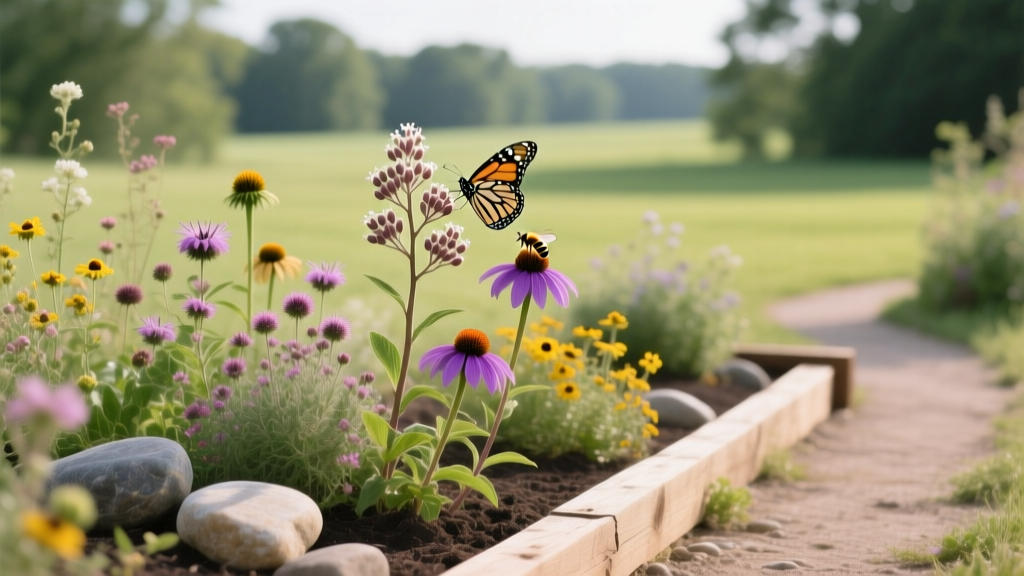
Beginner Guide to Growing a Native Pollinator Garden
Mike RodriguezPublished
Introduction to Native Pollinator Landscaping
Transforming a patch of unused lawn into a vibrant, buzzing native pollinator garden is one of the most rewarding landscaping projects a beginner can undertake. Not only does it dramatically boost your property's curb appeal, but it also supports local ecosystems, reduces water consumption, and minimizes the need for chemical fertilizers. If you are new to garden bed planning and sustainable landscaping, this comprehensive, step-by-step guide will walk you through everything from site preparation to plant selection and first-year maintenance.
Why Choose Native Plants for Your Landscape?
Native plants are species that have evolved naturally in your specific region over thousands of years. Because they are adapted to your local climate, soil, and rainfall patterns, they are inherently more resilient than exotic ornamental plants. According to The National Wildlife Federation, native plants provide essential food and shelter for local wildlife, particularly native bees, butterflies, and birds, which have co-evolved with these specific flora.
Furthermore, the Xerces Society for Invertebrate Conservation highlights that pollinator-friendly landscaping reduces the need for intensive mowing, watering, and pesticide applications. By choosing natives, you are investing in a low-maintenance landscape that gives back to the environment.
"Beneficial landscaping means planning and managing your land to save time, money, and the environment. By using native plants, you create a beautiful yard that requires less water and fewer chemicals." — United States Forest Service
Step 1: Site Selection and Preparation
Before you buy a single plant, you need to evaluate your yard. Most native pollinator plants thrive in full sun, which means the site should receive at least six to eight hours of direct sunlight per day.
Sizing Your Garden Bed
For beginners, a 4-foot by 8-foot raised or mounded bed (32 square feet) is the perfect starting size. It is large enough to create a visual impact and support a diverse plant palette, but small enough to manage without feeling overwhelmed.
Removing Existing Turf
You must remove the existing grass to prevent it from competing with your new perennials. You have two primary options:
- Manual Removal: Use a flat spade to slice under the sod and roll it up. This is labor-intensive but allows for immediate planting.
- Sheet Mulching (Solarization): Mow the grass as short as possible, cover the area with overlapping layers of plain cardboard, and wet it thoroughly. Top with 3 inches of compost and mulch. Wait 6 to 8 weeks for the grass to decompose. This method builds soil health and is highly recommended for sustainable landscaping.
Step 2: Understanding Soil and Drainage
One of the most common mistakes beginners make is over-amending native plant beds. Unlike traditional vegetable gardens or exotic rose beds, most native perennials prefer soil that closely mimics their natural, unaltered environment. According to the United States Forest Service, heavily amended soils can cause native plants to grow weak, floppy stems and reduce their natural drought tolerance.
Actionable Advice: Dig a test hole about 12 inches deep and fill it with water. If it drains within 2 to 4 hours, your drainage is adequate. If water sits for more than 12 hours, you may need to select moisture-loving natives (like Swamp Milkweed) or install a simple French drain to redirect excess water away from the bed.
Step 3: Selecting Your Native Plant Palette
A successful pollinator garden features a succession of blooms from early spring through late fall. Below is a beginner-friendly plant palette designed for a 4x8 foot bed in a temperate, full-sun environment (such as the Midwest or Northeast United States). Always verify that a plant is native to your specific USDA Hardiness Zone before purchasing.
| Common Name | Botanical Name | Bloom Time | Mature Height | Spacing |
|---|---|---|---|---|
| Wild Columbine | Aquilegia canadensis | Spring | 1 - 2 ft | 12 inches |
| Butterfly Weed | Asclepias tuberosa | Early Summer | 2 - 3 ft | 18 inches |
| Purple Coneflower | Echinacea purpurea | Mid-Summer | 3 - 4 ft | 24 inches |
| Black-Eyed Susan | Rudbeckia hirta | Late Summer | 2 - 3 ft | 18 inches |
| New England Aster | Symphyotrichum novae-angliae | Early Fall | 4 - 5 ft | 36 inches |
How Many Plants Do You Need?
For a 32-square-foot bed, aim for 15 to 20 plants, depending on their mature spread. Group the same species in odd-numbered clusters (drifts) of 3 or 5. This mimics natural growth patterns and makes it easier for passing pollinators to spot the flowers from the air.
Step 4: Planting Day Guidelines
The best time to plant your pollinator garden is in the early spring or early fall, avoiding the peak heat of mid-summer.
- Layout: Place your potted plants on the soil surface according to your spacing plan. Step back and observe the layout before digging.
- Digging: Dig a hole that is exactly as deep as the nursery pot, but twice as wide. This encourages the roots to spread horizontally.
- Teasing the Roots: Gently squeeze the nursery pot and slide the plant out. If the roots are circling tightly (root-bound), use your fingers or a sterilized knife to gently tease the outer roots outward.
- Planting Depth: Ensure the crown of the plant (where the stems meet the roots) is level with the surrounding soil surface. Planting too deep can cause crown rot.
- Watering In: Immediately water each plant deeply with a gentle shower nozzle to eliminate air pockets in the soil.
Step 5: Mulching and First-Year Maintenance
Mulch is critical for retaining moisture and suppressing weeds while your new perennials establish their root systems.
Choosing the Right Mulch
Avoid using dyed wood chips or rubber mulch, as these can leach chemicals into the soil and do not support ground-nesting native bees. Instead, opt for shredded hardwood bark or leaf mold. Apply a 2-inch layer of mulch around the plants, keeping it at least 2 inches away from the base of the stems to prevent rot.
The First-Year Watering Schedule
While native plants are drought-tolerant once established, they require consistent moisture during their first growing season.
- Weeks 1-2: Water every 2 to 3 days, providing about 1 inch of water per session.
- Weeks 3-8: Water deeply once or twice a week, depending on rainfall. Deep, infrequent watering encourages roots to grow downward.
- Months 3-6: Water only during prolonged dry spells (more than 7 days without rain).
Weed Management
Weeds will inevitably appear. Hand-pull weeds when the soil is moist to ensure you remove the entire root system. Avoid using broad-spectrum herbicides, as these will harm the very pollinators you are trying to attract and can disrupt the soil microbiome.
Estimated Budget for a 4x8 Pollinator Bed
Landscaping costs can vary widely, but starting from small nursery plugs or 1-quart pots is highly cost-effective for beginners. Here is a realistic budget breakdown for a DIY 32-square-foot native garden bed:
- Plants (15-20 1-quart pots): $100 - $150 (Average $6-$8 per plant)
- Compost (3 cubic feet): $20 - $30
- Hardwood Mulch (2 cubic feet): $15 - $20
- Cardboard (for sheet mulching): Free (sourced from local appliance or grocery stores)
- Landscape Edging (optional steel or stone border): $40 - $80
- Total Estimated Cost: $175 - $300
Compared to the ongoing costs of watering, fertilizing, and mowing a traditional turf grass lawn, a native pollinator garden pays for itself in reduced maintenance and water bills within just a few seasons.
Conclusion
Designing and growing a native pollinator garden is a deeply satisfying landscaping endeavor that bridges the gap between beautiful yard design and environmental stewardship. By carefully selecting your site, preparing the soil without over-amending, choosing a diverse palette of native blooms, and committing to a smart first-year watering schedule, you will create a thriving outdoor living space. Not only will you enjoy a dynamic, colorful landscape that changes with the seasons, but you will also be providing a vital sanctuary for the bees, butterflies, and birds that keep our ecosystems healthy.

