Lawn Care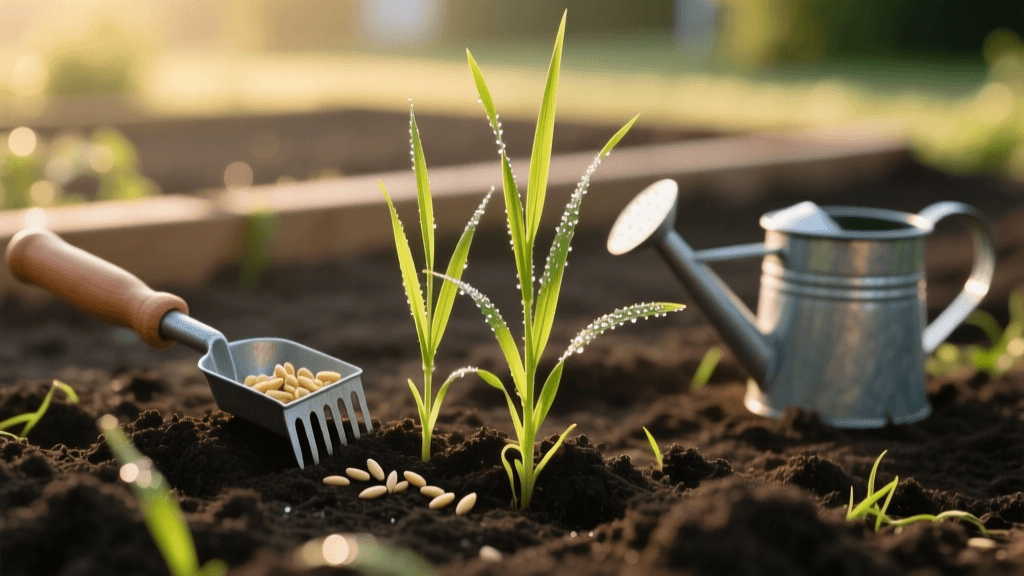
A Beginner's Guide to Growing Tall Fescue from Seed
Establishing a lush, green lawn from seed is one of the most rewarding projects a homeowner can undertake. If you live in a region with distinct seasons and are looking for a resilient, beginner-friendly cool-season grass, tall fescue (Festuca arundinacea) is an outstanding choice. Known for its deep root system, shade tolerance, and durability, tall fescue thrives in a variety of soil conditions. This comprehensive guide will walk you through the exact steps to successfully grow tall fescue from seed, ensuring your lawn gets off to a vigorous start.
Why Choose Tall Fescue for Your Lawn?
Before digging into the soil, it is helpful to understand why tall fescue is a staple in North Carolina State Extension's turfgrass recommendations. Unlike fine fescues that struggle with heavy foot traffic, or Kentucky bluegrass that can go dormant during summer droughts, modern turf-type tall fescue varieties offer a perfect balance of aesthetics and toughness.
- Drought Resistance: Tall fescue roots can reach depths of two to three feet, allowing the grass to access deep soil moisture during dry spells.
- Shade Tolerance: While no grass thrives in deep, heavy shade, tall fescue performs remarkably well in areas that receive filtered sunlight or partial shade.
- Disease Resistance: Newer turf-type and dwarf tall fescue cultivars are bred to resist common lawn diseases like brown patch.
Selecting the Right Seed Blend
Not all tall fescue seed is created equal. When shopping at your local garden center or ordering online, avoid generic "contractor grade" or "K-31" (Kentucky 31) tall fescue. K-31 is an older, forage-type variety that grows in wide, coarse, light-green blades and forms a clumpy, unattractive lawn. Instead, look for turf-type tall fescue (TTTF) or dwarf tall fescue blends. These modern cultivars are bred specifically for home lawns, offering a darker green color, finer leaf texture, and denser growth habits. Many premium seed blends will include three or four different TTTF cultivars, which provides genetic diversity and protects your lawn from being wiped out by a single disease strain.
When to Plant Tall Fescue Seed
Timing is the single most critical factor in seed germination and establishment. Tall fescue is a cool-season grass, meaning its peak growing periods occur in the cooler temperatures of spring and fall. However, the absolute best time to plant tall fescue seed is in the early fall, typically between late August and mid-October, depending on your specific hardiness zone.
According to turfgrass experts at Penn State Extension, fall planting allows the seed to germinate in warm soil while the young grass blades develop in the cool autumn air. This gives the root system several months to establish before the stress of the following summer. Spring planting (late March to early April) is possible but comes with higher risks of weed competition, disease pressure, and summer heat stress before the roots are fully anchored.
Tools and Materials You Will Need
Preparation is key to a successful seeding project. Here is a checklist of the tools and materials you will need, along with estimated costs for a standard 1,000-square-foot area:
- Turf-Type Tall Fescue Seed: 5 to 8 lbs ($25 - $45)
- Starter Fertilizer: High-phosphorus formula like 10-18-10 ($20 - $30)
- Broadcast or Drop Spreader: ($30 - $60)
- Garden Rake and Leveling Rake: ($20 - $40)
- Straw or Peat Moss: For light mulching ($15 - $25)
- Hose and Oscillating Sprinkler: ($20 - $50)
Step-by-Step Guide to Planting Tall Fescue
Step 1: Soil Testing and Preparation
Grass seed needs direct contact with loose, nutrient-rich soil to germinate. Begin by clearing the area of any existing weeds, rocks, and debris. If you are starting from bare dirt, till the top two to three inches of soil to break up compaction. It is highly recommended to conduct a soil test through your local cooperative extension office to determine your soil's pH and nutrient deficiencies. Tall fescue prefers a soil pH between 6.0 and 7.0. If your soil is too acidic, you will need to incorporate pelletized lime; if it is too alkaline, elemental sulfur may be required.
Once the soil is loose and amended, use a leveling rake to create a smooth, even grade. Ensure the ground slopes slightly away from your home's foundation to promote proper drainage. Apply your starter fertilizer evenly across the bare soil just before seeding to give the young roots immediate access to essential phosphorus.
Step 2: Seeding the Lawn
Load your spreader with the tall fescue seed. To ensure even coverage and avoid visible striping, use the "cross-hatch" method. Apply half of your total seed volume by walking in parallel lines across the lawn (north to south). Then, apply the remaining half by walking in perpendicular lines (east to west).
After spreading, lightly rake the area to incorporate the seed into the top 1/8 to 1/4 inch of soil. Seed that is buried too deeply will not germinate, while seed left entirely on the surface may dry out or be eaten by birds. Finally, apply a very thin layer of weed-free straw or peat moss to retain moisture and protect the seeds from wind and foraging animals.
Step 3: Tall Fescue Seeding Rates and Coverage Chart
Applying the correct amount of seed is vital. Too little seed results in a patchy lawn vulnerable to weeds, while too much seed causes overcrowding and competition for nutrients. Refer to the chart below for precise application rates:
| Application Type | Seed Rate (per 1,000 sq ft) | Expected Germination Time | First Mow Timeline |
|---|---|---|---|
| New Lawn Establishment | 6 to 8 lbs | 7 to 14 days | 3 to 4 weeks |
| Overseeding Existing Lawn | 3 to 5 lbs | 7 to 14 days | 3 to 4 weeks |
| Shaded Area Adjustment | 5 to 6 lbs (New) | 10 to 14 days | 4 to 5 weeks |
Step 4: Watering and Germination Schedule
Watering is where most beginners fail. The goal during the first two weeks is to keep the top inch of soil consistently moist, but never waterlogged. You will need to water lightly two to three times a day for about 5 to 10 minutes per session, depending on the weather and soil type. If the seed dries out even once during the germination phase, it will die.
Once the grass seedlings reach about one inch in height, you can reduce the frequency of watering to once a day, but increase the duration to encourage deeper root growth. By week four, transition to a standard deep-and-infrequent watering schedule of about one inch of water per week.
Post-Germination Care and First Mow
Patience is required before the first mow. Wait until the new tall fescue grass reaches a height of 3.5 to 4 inches. When you do mow, never remove more than one-third of the grass blade at a single time. Set your mower deck to cut the grass down to roughly 2.5 or 3 inches. Ensure your mower blade is exceptionally sharp; a dull blade will tear the tender young grass, leaving it susceptible to disease and turning the lawn a whitish-brown color.
Avoid applying broadleaf weed killers until the new lawn has been mowed at least three or four times. As noted by University of Missouri Extension, young grass seedlings are highly sensitive to chemical herbicides, and premature application can stunt or kill your newly established turf.
Common Beginner Mistakes to Avoid
The biggest mistake new gardeners make is treating grass seed like vegetable seed. Do not bury tall fescue seed deep in the soil. It requires light contact with the top 1/4 inch of soil to trigger germination. Additionally, resist the urge to overwater. While the soil must remain moist, pooling water will rot the seed or wash it away into uneven clumps.
Growing a tall fescue lawn from seed is a highly achievable project for beginners. By focusing on proper fall timing, meticulous soil preparation, precise seeding rates, and a disciplined watering schedule, you will lay the groundwork for a thick, durable, and beautiful lawn that will enhance your home's curb appeal for years to come.