Home & Garden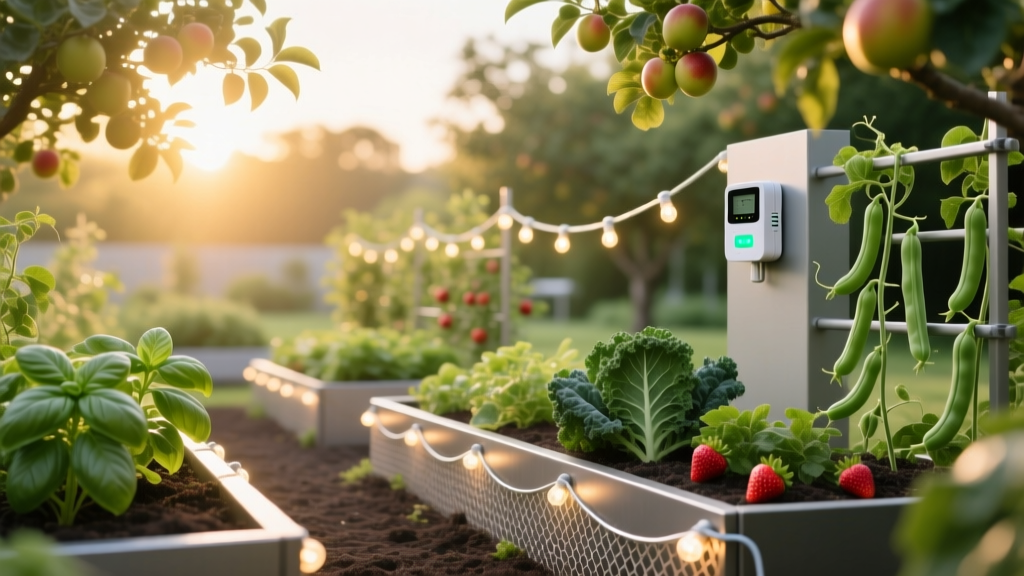
2026 Guide Wire String Light Installation for Edible Landscapes
Robert HayesPublished
The Rise of the Nighttime Foodscape
Foodscaping has fundamentally transformed how we interact with our outdoor spaces, blending the aesthetic beauty of ornamental gardening with the practical yield of edible landscaping. As we navigate the 2026 gardening season, homeowners are increasingly treating their vegetable patches, fruit tree orchards, and perennial food forests as extensions of their indoor living areas. This means the garden is no longer just a place to work; it is a place to dine, entertain, and harvest well into the evening hours. To facilitate this, outdoor string lighting has become a staple in landscape design. However, draping lights directly over delicate crops like indeterminate tomatoes, sprawling blackberry brambles, or young espaliered apple trees can lead to crushed foliage, restricted plant growth, and damaged fixtures.
The solution is a professional-grade guide wire installation paired with an automated smart timer system. This approach suspends your lighting safely above the garden canopy, ensuring your edible plants have the physical space and light exposure they need while providing you with a beautifully illuminated space for evening harvests and al fresco dining.
Why a Guide Wire is Non-Negotiable for Edible Gardens
In traditional patio setups, string lights are often zigzagged between nearby structures. In an edible landscape, your anchor points might include living fruit trees, wooden raised bed corners, or freestanding trellises. String light cables are not designed to bear their own weight over long spans, especially when subjected to wind, rain, and the accumulation of garden debris. Without a guide wire, the lights will sag directly into your garden beds. This not only risks damaging your prized heirloom crops but also creates a tripping hazard and exposes electrical connections to moisture from irrigation systems and morning dew.
By installing a stainless steel guide wire, you create a dedicated, tensioned suspension line. This keeps the bulbs safely above the maximum growth height of your crops, allows for proper air circulation around your plants to prevent fungal diseases, and makes seasonal maintenance significantly easier.
Essential Materials for Your 2026 Installation
When selecting materials for an outdoor, moisture-heavy environment like a vegetable garden, durability is paramount. Here is a comparison of the best materials to use for your 2026 foodscape lighting project:
| Material Category | Recommended Choice | Why It Works for Foodscaping |
|---|---|---|
| Guide Wire | 1/16-inch Nylon-Coated Stainless Steel | Resists rust from irrigation and fertilizer runoff; nylon coating prevents abrasion on tree bark. |
| Turnbuckles | Stainless Steel Jaw-and-Eye Turnbuckle | Allows for precise tensioning and re-tightening as the wire naturally stretches over the seasons. |
| String Lights | Shatterproof LED Filament (2200K Warm) | 2200K mimics firelight, reducing disruption to plant photoperiodism and nighttime pollinators. |
| Smart Timer | Matter-Compatible Outdoor Smart Plug | Withstands weather; integrates with 2026 smart home ecosystems for astronomical sunset tracking. |
| Tree Anchors | Heavy-Duty Arborist Straps | Prevents girdling and damage to the cambium layer of living fruit and nut trees. |
Step-by-Step Guide Wire Installation
Step 1: Establish Safe Anchor Points
Identify your anchor points, which may include the sides of your home, pergola beams, or mature shade trees. If you are anchoring to a living tree, such as a mature pear or cherry tree, never use nails, screws, or bare wire wrapped around the trunk. As the University of Minnesota Extension notes, damaging the bark and cambium layer can introduce disease and eventually girdle the tree, cutting off its nutrient supply. Instead, use wide, heavy-duty arborist tree straps with integrated D-rings to create a safe, non-damaging anchor point that can be adjusted as the tree grows.
Step 2: Install Hardware and Thread the Wire
For structural anchors like wooden posts or house siding, install heavy-duty stainless steel eye bolts. Thread your 1/16-inch nylon-coated stainless steel wire through the eye bolt on one end, securing it with three wire rope clips (U-bolts) to ensure a slip-proof grip. Run the wire across your garden bed to the opposite anchor point. Before securing the second end, slide a stainless steel turnbuckle onto the wire. This turnbuckle is the secret to a professional installation, allowing you to crank the wire taut after it is fully connected.
Step 3: Tensioning and Clearance Check
Use a wrench to tighten the turnbuckle until the guide wire is taut and produces a low musical twang when plucked. Walk through your edible beds to check the clearance. For vining crops like pole beans or cucumbers that grow on trellises, ensure the wire is at least two feet above the maximum expected trellis height. For sprawling crops like pumpkins or sweet potatoes, a lower clearance is acceptable, but keep the wire at least seven feet off the ground to allow for safe walking and wheelbarrow access beneath the lights.
Step 4: Hanging the String Lights
With the guide wire tensioned, it is time to hang your commercial-grade string lights. Use UV-resistant zip ties or specialized snap-on light clips to attach the light strand's main cable to the guide wire every two to three feet. Do not attach the clips to the individual bulb sockets, as this can cause moisture ingress and electrical shorts. Leave a slight amount of slack in the light cable between clips to prevent stress on the sockets during high winds.
Smart Timer Integration and Plant Health
Lighting an edible landscape requires a delicate balance between human enjoyment and plant biology. Plants rely on photoperiodism—the length of day and night—to regulate flowering, fruiting, and dormancy. Exposing your garden to bright, cool-white light late into the night can confuse your crops, delaying fruit set in peppers and tomatoes or causing leafy greens like spinach and lettuce to bolt prematurely.
This is why selecting a warm 2200K LED bulb is critical. According to guidelines supported by DarkSky International, warmer, lower-intensity lighting significantly reduces ecological disruption, protecting both your plants' circadian rhythms and the nocturnal pollinators, such as moths, that are vital to a thriving foodscape.
To manage this efficiently, plug your string lights into a Matter-compatible outdoor smart plug. In 2026, most major smart home platforms feature "astronomical timers" that use your local GPS coordinates to automatically turn the lights on exactly at sunset and off at a designated time, such as 10:00 PM. This ensures your garden is illuminated for evening harvesting and dining, but goes completely dark during the critical nighttime hours when your plants need uninterrupted rest.
Energy Efficiency and Long-Term Maintenance
Upgrading to modern LED string lights and smart timers is not just good for your plants; it is excellent for your utility bill. The U.S. Department of Energy highlights that LED lighting uses up to 90% less energy than traditional incandescent bulbs and lasts significantly longer. A standard 48-foot strand of LED filament bulbs running on a smart timer for four hours a night will cost mere pennies per month to operate.
For seasonal maintenance, inspect your guide wire tension every spring before the heavy summer harvest begins. As temperatures fluctuate, metal wires can expand and contract, causing slight sagging. A quick twist of the turnbuckle will restore the professional, taut appearance. Additionally, check your arborist straps to ensure they are not digging into the bark of your anchor trees, loosening them as necessary to accommodate spring trunk expansion.
Conclusion
Installing outdoor string lights with a guide wire and smart timer is the ultimate upgrade for the modern edible landscape. It respects the biological needs of your food-producing plants, protects your investment in living trees, and creates a breathtaking, functional environment for nighttime garden enjoyment. By taking the time to install a proper suspension system and utilizing smart, plant-friendly lighting schedules, your 2026 foodscape will be as beautiful and productive at midnight as it is at high noon.
