
Landscaping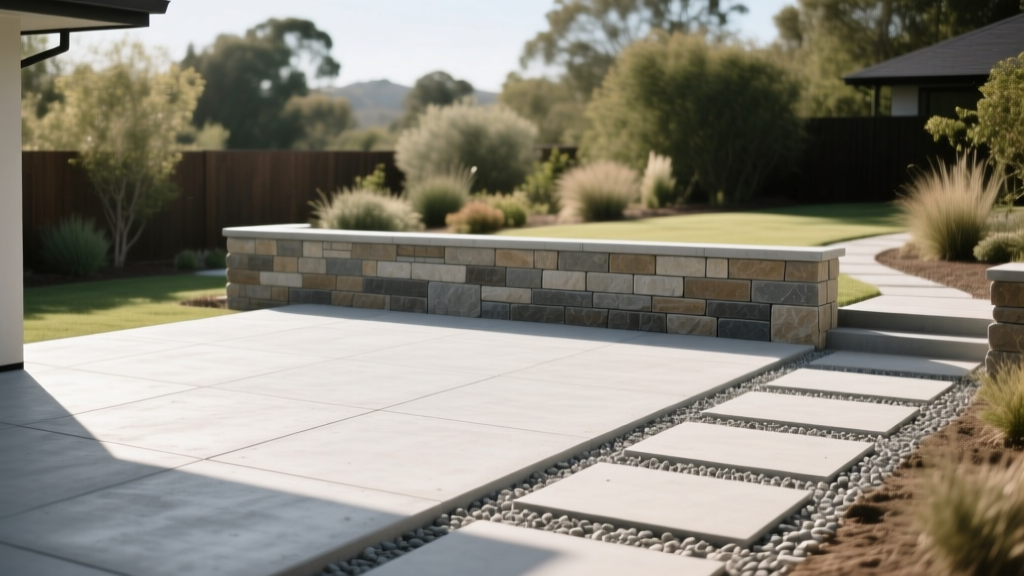
Complete Guide to Hardscaping Costs: Patios and Walls
Lisa ThompsonPublished
Introduction to Hardscaping Budgets
Landscaping is far more than just planting trees, laying sod, and mulching garden beds. True outdoor living requires a solid foundation, which is where hardscaping comes in. Hardscaping encompasses all the non-living, structural elements of your landscape, including patios, walkways, retaining walls, fire pits, and pergolas. While these features dramatically increase the functionality and aesthetic appeal of your property, they also represent the most significant financial investment in any outdoor renovation.
For homeowners planning a backyard overhaul, budgeting for hardscaping can feel overwhelming. Prices fluctuate based on material choices, regional labor rates, and the complexity of your terrain. According to Angi's comprehensive patio cost guide, the national average for a new patio sits between $2,500 and $6,000, but luxury materials and complex designs can easily push this figure past $15,000. This guide will break down the real costs of hardscaping, help you anticipate hidden fees, and provide actionable strategies to maximize your landscaping budget.
Average Hardscaping Costs by Project Type
Before diving into specific materials, it is essential to understand the baseline costs for the most common hardscaping projects. The table below outlines the average material and installation costs based on standard residential dimensions.
| Project Type | Average Cost per Sq. Ft. | Typical Total Cost | Expected Lifespan |
|---|---|---|---|
| Paver Patio | $10 - $25 | $3,000 - $7,500 (300 sq ft) | 25+ years |
| Stamped Concrete | $12 - $28 | $3,600 - $8,400 (300 sq ft) | 20-30 years |
| Gravel Walkway | $2 - $5 | $400 - $1,000 (200 sq ft) | 10-15 years |
| Natural Stone Patio | $20 - $45 | $6,000 - $13,500 (300 sq ft) | 30+ years |
| Retaining Wall | $20 - $50 (linear ft) | $3,000 - $10,000 | 20-50 years |
Material Breakdown: Patios and Walkways
The surface material you choose for your patio and walkways will dictate a large portion of your budget. Each material comes with its own installation requirements, maintenance needs, and longevity.
Poured Concrete vs. Pavers
Poured concrete is often viewed as the most budget-friendly option for a large patio. Basic broom-finished concrete can cost as little as $6 to $8 per square foot. However, plain concrete is prone to cracking over time due to freeze-thaw cycles and ground settling. To improve aesthetics, many homeowners opt for stamped or stained concrete, which mimics the look of stone or brick but increases the price to $12 to $28 per square foot.
Concrete pavers, on the other hand, offer superior durability and flexibility. Because they are individual units, they shift slightly with the ground, preventing the massive cracks associated with poured slabs. If a paver cracks or stains, you can simply lift and replace it. While the upfront material cost for pavers is higher, their lifespan and ease of repair often make them a more cost-effective choice over a 30-year period.
Natural Stone and Flagstone
For a high-end, organic look, natural stone such as flagstone, bluestone, or travertine is unmatched. However, natural stone is the most expensive hardscaping surface, often exceeding $30 to $45 per square foot installed. The high cost is driven not just by the premium material, but by the labor-intensive installation process. Irregularly shaped flagstone requires a highly skilled mason to cut, fit, and mortar the pieces together like a complex puzzle.
Retaining Walls and Structural Hardscaping
Retaining walls serve a vital functional purpose: they prevent soil erosion, manage drainage, and create usable, level terraces on sloped properties. Because they must hold back thousands of pounds of earth and water pressure, retaining walls require rigorous engineering and deep foundations.
- Segmental Retaining Wall (SRW) Blocks: These interlocking concrete blocks are the industry standard for residential walls. They cost between $20 and $35 per square foot of wall face. They are installed without mortar, relying on a compacted gravel base and geogrid reinforcement for stability.
- Natural Stone Veneer: Building a structural concrete or cinderblock wall and facing it with natural stone veneer creates a luxurious look. This method typically costs $40 to $60+ per square foot due to the dual-layer construction and specialized masonry labor required.
- Timber Walls: Pressure-treated timber or railroad ties are the cheapest option ($15 - $20 per square foot), but they are susceptible to rot and insect damage. Timbers are best suited for short, non-critical garden borders rather than heavy load-bearing retaining walls.
The Hidden Costs of Site Preparation
One of the most common budgeting mistakes homeowners make is assuming the quoted material cost reflects the final bill. In hardscaping, what happens underneath the surface is just as important—and expensive—as what sits on top. Site preparation can account for 20% to 40% of your total project cost.
Proper base preparation is the difference between a patio that lasts five years and one that lasts fifty. Never cut corners on excavation and gravel base materials.
Key hidden costs to budget for include:
- Excavation and Grading: Removing topsoil, leveling the ground, and ensuring a slight slope (usually a 1/8-inch drop per foot) away from your home's foundation to prevent water intrusion.
- Base Materials: A proper paver patio requires 6 to 12 inches of compacted crushed gravel, topped with an inch of leveling sand. Delivering and spreading tons of aggregate adds significant labor and material costs.
- Soil Removal and Dump Fees: Excavating a 300-square-foot patio to a depth of 10 inches generates nearly 10 cubic yards of heavy dirt. Hauling this away and paying landfill tipping fees can easily add $500 to $1,500 to your budget.
- Permits and Utility Marking: Many municipalities require permits for retaining walls over 3 or 4 feet high, or for patios that alter property drainage. Additionally, you must always call 811 to have underground utilities marked before digging, which is free but can delay your project timeline by a few weeks.
DIY vs. Professional Installation: A Cost Breakdown
Labor typically represents 50% to 70% of a professional hardscaping invoice. This leads many budget-conscious homeowners to consider the DIY route. While a simple gravel path or a small, ground-level fire pit ring is well within the capabilities of an ambitious weekend warrior, complex patios and retaining walls are best left to certified professionals.
If you choose to DIY a paver patio, you will save roughly $4,000 on a standard 300-square-foot project. However, you must factor in the cost of renting heavy equipment, such as a plate compactor, a masonry saw with a diamond blade, and potentially a mini-excavator. Furthermore, improper base compaction will lead to pooling water, frost heave, and sunken pavers, ultimately forcing you to pay a professional to tear it out and redo the work.
Maximizing Your Return on Investment (ROI)
When budgeting for hardscaping, it is wise to consider how the project will impact your home's overall resale value. Outdoor living spaces have seen a massive surge in buyer demand over the last decade. According to the National Association of Realtors (NAR) Remodeling Impact Report, landscaping upgrades and outdoor living spaces consistently rank among the highest projects for recovering costs at resale.
A well-designed paver patio or a functional outdoor kitchen can yield an ROI of 70% to 100% or more, depending on your local real estate market. To maximize this return, ensure your hardscaping design complements the architectural style of your home and flows naturally into the existing softscaping (plants, trees, and lawn).
Sustainable and Permeable Options
Modern landscaping budgets must also account for environmental impact and local stormwater regulations. Traditional impermeable surfaces like poured concrete contribute to runoff, which can overwhelm municipal sewer systems and cause localized flooding.
Permeable pavers are an increasingly popular alternative. These systems feature wider joints filled with small gravel, allowing rainwater to percolate through the surface and into the underlying gravel reservoir, rather than running off into the street. The Environmental Protection Agency (EPA) research on permeable pavement highlights its effectiveness in reducing stormwater runoff and filtering pollutants. While permeable systems cost 15% to 20% more upfront due to the specialized, deep aggregate base required, they may qualify you for local municipal rebates or stormwater fee reductions, offsetting the initial investment.
Conclusion
Budgeting for hardscaping requires a careful balance between your aesthetic vision, functional needs, and financial reality. By understanding the true costs of materials, respecting the necessity of rigorous site preparation, and knowing when to hire a professional, you can avoid costly mistakes and budget overruns. Whether you are installing a modest gravel walkway or a sprawling natural stone terrace, careful planning will ensure your outdoor space remains beautiful, functional, and structurally sound for decades to come.

