Home & Garden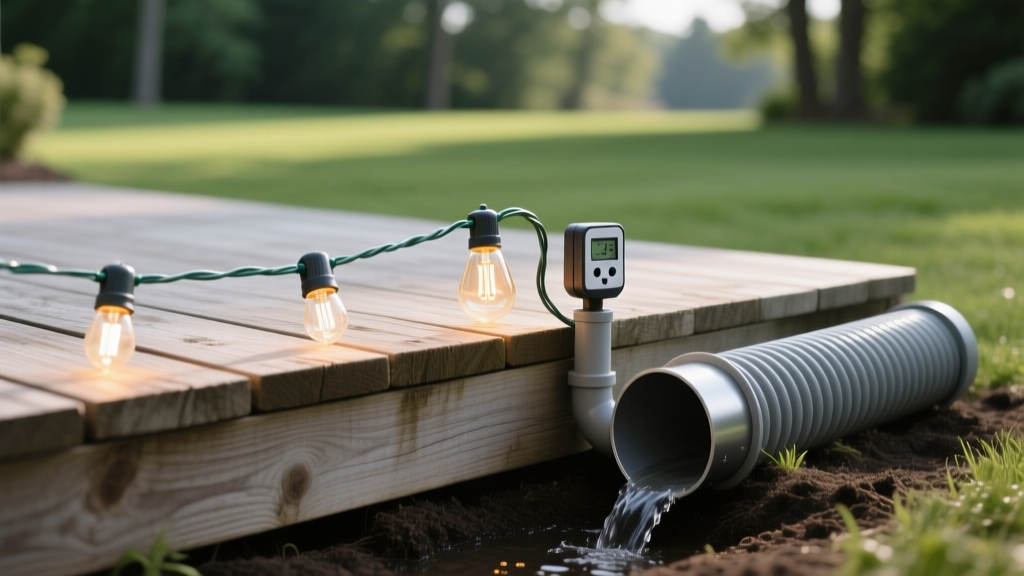
LED vs Incandescent Holiday Wattage & Drainage Pipe Wiring 2026
Mike RodriguezPublished
The 2026 Shift: Why Holiday Wattage and Wiring Protection Matter
As we navigate the 2026 holiday season, outdoor lighting displays are becoming more elaborate, heavily integrated with smart home ecosystems, and increasingly reliant on low-voltage and line-voltage LED pixel arrays. However, a persistent challenge for homeowners and landscaping professionals remains: how to safely route power across wet garden beds, snow-covered lawns, and high-traffic walkways without creating tripping hazards or damaging the wires with shovels and aerators. While traditional electrical conduit is expensive and rigid, an innovative, cost-effective DIY solution has gained massive traction in the landscaping community: using solid-core landscape drainage pipes as protective sleeves for holiday lighting wiring and smart timer hubs.
Before you start trenching and sleeving your yard, it is critical to understand the electrical load you are pulling through these enclosed spaces. The debate between LED and incandescent holiday lighting is no longer just about energy bills; it is a matter of fire safety and thermal management, especially when wires are routed through enclosed PVC or corrugated drainage pipes. According to the U.S. Department of Energy, modern LED holiday lights use up to 90% less energy than their incandescent counterparts, a statistic that holds profound implications for enclosed wiring runs.
LED vs. Incandescent: The 2026 Wattage Breakdown
When routing extension cords and light strings through a landscape drainage pipe sleeve, heat dissipation is your primary enemy. Incandescent bulbs generate light by heating a filament, meaning the wires and plugs can become surprisingly warm. When bundled together inside a sealed drainage pipe, this heat has nowhere to escape, potentially melting wire insulation or triggering a fire hazard. LEDs, conversely, run remarkably cool, making them the only safe choice for enclosed conduit runs.
| Light Type (25 ft Strand) | Wattage Draw | Heat Output in Enclosed Pipe | Max Strands on 15A Circuit |
|---|---|---|---|
| C9 Incandescent (25 Bulbs) | ~175 Watts | High (Fire Risk in Sleeve) | 8-10 Strands |
| C9 LED (25 Bulbs) | ~2.4 Watts | Negligible (Safe for Sleeve) | 80+ Strands |
| Mini Incandescent (100 Bulbs) | ~40 Watts | Moderate (Risk of Melting) | 30-40 Strands |
| Mini LED (100 Bulbs) | ~4.8 Watts | Negligible (Safe for Sleeve) | 80+ Strands |
Because LEDs draw a fraction of the amperage, you can safely daisy-chain dozens of strands and pull them through a single 3/4-inch or 1-inch landscape drainage pipe sleeve without worrying about voltage drop or thermal buildup. The National Fire Protection Association (NFPA) consistently warns against overloading outdoor circuits and enclosing heat-generating electrical connections, making the LED-and-drainage-pipe combination the gold standard for 2026 safety compliance.
Using Landscape Drainage Pipes for Underground Wiring
In landscape architecture, drainage pipes are typically used to move excess water away from foundations and low-lying garden beds. The 4-inch solid-core PVC pipe (often used for French drain outflows) and 1-inch flexible corrugated pipes are inexpensive, widely available at home improvement centers, and incredibly durable against soil compression and freeze-thaw cycles.
Why Use Drainage Pipe Instead of Standard Conduit?
- Cost-Effective: 100 feet of 1-inch solid landscape drainage pipe costs significantly less than rigid Schedule 40 electrical PVC conduit.
- Flexibility: Flexible corrugated drainage pipes can easily snake around existing tree roots, retaining walls, and garden bed curves without requiring glued elbow joints.
- Dual-Purpose Trenching: If you are already digging a trench to install a French drain or yard culvert to manage water runoff—as recommended by the University of Minnesota Extension for proper yard grading—you can lay your holiday lighting sleeves in the exact same trench, saving hours of backbreaking labor.
Crucial Warning: Always use solid-core (non-perforated) drainage pipe for electrical sleeving. Perforated pipes, designed to let water in, will flood your conduit and destroy your smart timers and plugs.
Building a 'Drainage Pipe Timer Vault' for Smart Hubs
In 2026, most premium outdoor holiday lighting is controlled by Wi-Fi or Matter-over-Thread smart plugs and timers. These outdoor smart hubs are rated for damp locations, but they are not designed to be buried under six inches of wet snow or submerged in spring thaw puddles. Furthermore, dropping them directly on the soil invites damage from lawnmowers, string trimmers, and foraging wildlife.
You can build a protective 'Timer Vault' using a scrap piece of 4-inch solid landscape drainage pipe:
- Cut a 12-inch section of 4-inch solid PVC drainage pipe.
- Glue a standard PVC end-cap to the bottom to create a watertight floor.
- Drill a 5/8-inch hole near the bottom edge and feed your heavy-duty outdoor extension cord through it. Seal the gap with outdoor-rated silicone.
- Plug your smart timer hub into the cord and drop it inside the pipe.
- Cap the top with a 4-inch threaded cleanout plug. This allows you to easily unscrew the top to change settings or reset the hub, while keeping the interior bone-dry.
- Because PVC is non-metallic, your Wi-Fi or Thread signals will pass right through the pipe walls without interference, unlike metal electrical boxes.
Step-by-Step Trenching and Pipe Installation
To permanently install your drainage pipe lighting sleeves for the 2026 holiday season and beyond, follow these professional landscaping steps:
1. Map and Dig the Trench
Use landscaping marking paint to outline your path from the outdoor GFCI outlet to your roofline or garden display zones. Dig a trench 6 to 8 inches deep. This depth is shallow enough to avoid major utility lines but deep enough to protect the pipe from lawn aerators and deep frost heave.
2. Bed the Trench
Add a 1-inch layer of coarse sand or pea gravel to the bottom of the trench. This prevents sharp rocks from puncturing the drainage pipe over time as the soil settles.
3. Lay the Pipe and Pull a String
Lay your solid-core drainage pipe in the trench. Before gluing any end-caps, tie a bright masonry string to a small wad of plastic bag, feed it into the pipe, and use a shop-vac at the other end to suck the string all the way through. This 'pull string' will allow you to easily drag your extension cords and LED light strings through the pipe year after year.
4. Backfill and Mark
Backfill the trench with native soil and tamp it down. Place small, discreet landscape stakes or decorative rocks at the pipe's entry and exit points so you remember exactly where your hidden wiring emerges when it is time to hang your lights in late November.
Conclusion
Upgrading to LED holiday lighting is a mandatory first step for anyone looking to reduce wattage, prevent voltage drop, and eliminate the fire hazards associated with hot incandescent bulbs in enclosed spaces. By pairing modern, low-wattage LEDs with the rugged, moisture-blocking protection of solid-core landscape drainage pipes, you create a hidden, durable, and highly professional infrastructure for your outdoor displays. Not only does this method protect your expensive 2026 smart home timers from the harsh winter elements, but it also ensures your yard remains pristine, safe, and free of tangled extension cords all season long.
