Home & Garden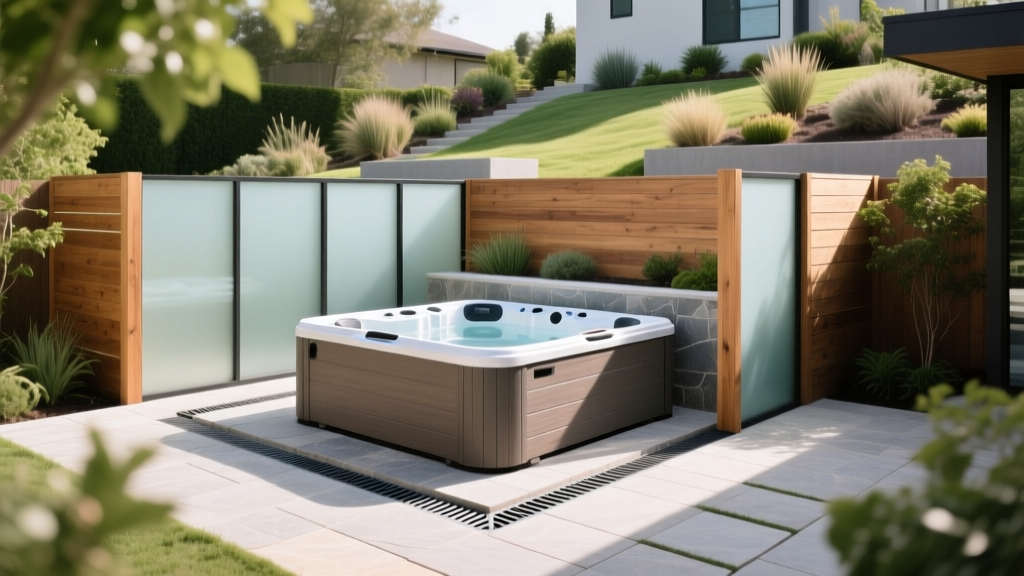
2026 Hot Tub Privacy Screens and Drainage Photo Guide
Lisa ThompsonPublished
The Intersection of Function and Aesthetics in 2026
In the realm of modern landscape architecture, the outdoor hot tub has evolved from a simple relaxation vessel into a central focal point of garden design. However, integrating a hot tub into a residential landscape presents two massive challenges: ensuring absolute privacy and managing thousands of gallons of water displacement. For garden photographers and landscape documentation specialists, these challenges represent a unique opportunity. Documenting the journey from a muddy, poorly drained backyard to a serene, private oasis requires a keen eye for both horticultural engineering and visual storytelling.
As we navigate the 2026 landscaping season, the integration of smart drainage monitoring and architecturally striking privacy screens has redefined outdoor living spaces. This guide will walk you through the technical requirements of hot tub drainage and privacy screen installation, while simultaneously teaching you how to document and photograph these elements to build a stunning, professional-grade garden portfolio.
Planning and Photographing Hot Tub Drainage Systems
A standard 6-person hot tub holds between 400 and 500 gallons of water. When you factor in splash-out, rainfall accumulation, and the eventual need to drain the tub for maintenance, your landscape must handle massive hydraulic loads. In 2026, relying on basic surface grading is no longer sufficient. Professional landscapers are utilizing subsurface smart-drainage networks and permeable hardscaping.
According to the EPA's Green Infrastructure guidelines, managing localized runoff through permeable surfaces and subsurface infiltration is critical for preventing soil erosion and protecting local watersheds. For hot tub pads, this means installing a French drain system wrapped in non-woven geotextile fabric, leading to a dry well or a municipal stormwater tie-in, surrounded by permeable polymeric sand joints.
Documenting the Excavation and Trenching
From a documentation perspective, the "ugly" phases of landscaping are often the most valuable for a portfolio. Homeowners and future clients want to see the hidden infrastructure that protects their investment.
- The Trench POV: Mount a rugged action camera, such as the GoPro Hero 13 Black, on a chest harness or hard hat while digging the 18-inch deep, 12-inch wide drainage trenches. This provides a dynamic, first-person perspective of the labor involved.
- Layering Time-Lapses: Set up a weather-sealed mirrorless camera on a heavy-duty tripod to capture a time-lapse of the drainage layers being installed: the base gravel, the perforated PVC pipe, the geotextile fabric wrap, and the final topsoil or permeable paver base.
- Drone Mapping: Use a sub-250g drone like the DJI Mini 4 Pro to capture top-down orthomosaic maps of the yard before digging. In post-production, overlay your 2026 CAD drainage blueprints onto the drone footage to create a highly technical, visually striking infographic for your portfolio.
Designing Privacy Screens for the Perfect Backdrop
A hot tub is an intimate space, making privacy screens non-negotiable. However, a solid vinyl fence creates harsh, unflattering lighting and a claustrophobic feel in photographs. The 2026 design trend focuses on "filtered privacy"—screens that block sightlines from neighbors but allow dappled light and airflow, creating beautiful "gobo" (shadow) effects during the golden hour.
Top Privacy Screen Materials for 2026
1. Horizontal Composite Slats: Brands like Trex have expanded their fencing lines to include horizontal slat systems with 1-inch gaps. This provides a modern, architectural backdrop that contrasts beautifully with the organic shapes of surrounding garden beds.
2. Corten Steel Panels with Laser-Cut Motifs: Weathering steel develops a rich, rust-colored patina that photographs exceptionally well against vibrant green foliage. Laser-cut geometric or botanical patterns allow light to pierce through, creating dramatic shadow play on the hot tub's water surface at sunset.
3. Automated Living Walls: For the ultimate garden photography backdrop, living walls are unmatched. In 2026, modular hydroponic felt pockets with integrated drip-lines allow for dense, lush vertical gardens. Using shade-tolerant trailing plants like Golden Pothos and Bird's Nest Ferns creates a vibrant, textured wall that softens the hardscape.
Lighting and Framing the Privacy Elements
When photographing the finished privacy screen, avoid shooting flat against it. Position your camera at a 30-to-45-degree angle to emphasize the depth and texture of the materials. If using a living wall, mist the foliage lightly just before shooting to create specular highlights on the leaves. During twilight shoots, use a portable COB LED light, such as the Aputure Amaran 200d S, bounced off a silver reflector to illuminate the texture of Corten steel or composite wood without blowing out the ambient landscape lighting.
2026 Privacy Screen Materials & Drainage Solutions Comparison
Below is a comprehensive breakdown of the top materials and systems used in 2026, evaluated for both functional performance and photographic appeal.
| Feature Category | Material / System | 2026 Est. Cost (per sq ft / linear ft) | Photographic Appeal & Aesthetics | Maintenance Level |
|---|---|---|---|---|
| Privacy Screen | Horizontal Composite Slats | $45 - $65 / linear ft | Excellent; creates clean leading lines and modern shadow patterns. | Low |
| Privacy Screen | Corten Steel Laser-Cut Panels | $120 - $180 / panel | Stunning; rich warm tones contrast perfectly with twilight water reflections. | Very Low |
| Privacy Screen | Modular Hydroponic Living Wall | $85 - $150 / sq ft | Unmatched organic texture; requires misting for best macro photography results. | High |
| Drainage | Smart-Monitored French Drain | $30 - $50 / linear ft | Hidden; document via trench time-lapses and drone blueprint overlays. | Low (with smart sensors) |
| Drainage | Permeable Polymeric Pavers | $12 - $22 / sq ft | High; provides a clean, structured foreground for wide-angle hot tub shots. | Medium (annual sand refill) |
Camera Gear and Techniques for Landscape Documentation
Capturing the scale and atmosphere of a hot tub landscaping project requires specialized gear. Backyards are often confined spaces, making it difficult to capture the entire privacy screen and hardscape in a single frame.
Lens Selection and Spatial Compression
For tight urban backyards, a wide-angle zoom lens (like a 16-35mm f/2.8) is essential. However, wide-angle lenses can distort the vertical lines of privacy screens, making them appear to lean backward. To combat this in-camera, invest in a tilt-shift lens (such as a 24mm f/3.5 Tilt-Shift). By shifting the lens upward rather than tilting the camera body, you keep the privacy screen perfectly plumb while capturing the hot tub in the foreground. If a tilt-shift lens is outside your budget, ensure you shoot with the camera perfectly level and correct the vertical distortion in Lightroom's Geometry panel during post-processing.
Mastering the Twilight Water Reflection
The most coveted shot in any hot tub portfolio is the twilight image, where the sky is a deep cobalt blue and the privacy screen is softly illuminated by integrated LED hardscape lighting. According to best practices outlined by the University of Minnesota Extension, ensuring your yard drainage is fully settled before heavy hardscape lighting installation prevents future fixture shifting, which is crucial for maintaining consistent lighting angles for your photography.
To capture the perfect twilight reflection:
- Timing: Shoot exactly 15 to 20 minutes after sunset during the "blue hour."
- Settings: Use a low ISO (100-200) to minimize noise, and an aperture of f/8 to f/11 to ensure both the foreground hot tub edge and the background privacy screen are in sharp focus.
- Shutter Speed: Use a 2-second to 4-second exposure. This is long enough to smooth out minor ripples in the hot tub water, creating a mirror-like reflection of the privacy screen and landscape lighting, but short enough to prevent the blowing steam from completely obscuring the scene.
- Steam Management: Hot tub steam can ruin a crisp photograph. Have an assistant use a piece of foam board to gently waft the steam away from the primary focal point right before you trigger the shutter.
Sequencing Your Garden Photography Portfolio
A successful landscape documentation project tells a chronological story. When presenting your 2026 hot tub privacy and drainage project to clients or on your portfolio website, sequence the images to highlight the transformation.
Pro-Tip for Portfolio Sequencing: Always pair a highly technical "behind-the-scenes" image with its final aesthetic counterpart. Place the drone map of the French drain trench directly next to the final twilight shot of the permeable paver patio. This proves to prospective clients that your beautiful designs are backed by rigorous, long-lasting engineering.
Start with the Site Analysis: Wide drone shots showing the lack of privacy and the muddy, poorly graded yard. Move into the Infrastructure Phase: The action-camera trench shots, the geotextile fabric installation, and the smart-drainage sensor wiring. Transition to the Vertical Build: Time-lapse stills of the Corten steel or composite privacy screens being anchored into their concrete footings. Finally, conclude with the Atmospheric Finale: The twilight wide-angle shots, the macro details of the living wall ferns, and the smooth water reflections mirroring the architectural screens.
By treating drainage planning and privacy screen installation not just as construction tasks, but as vital chapters in a visual narrative, you elevate your garden photography from simple snapshots to comprehensive, professional landscape documentation. In 2026, the most successful outdoor living portfolios are those that prove beauty and structural integrity are entirely inseparable.
