Home & Garden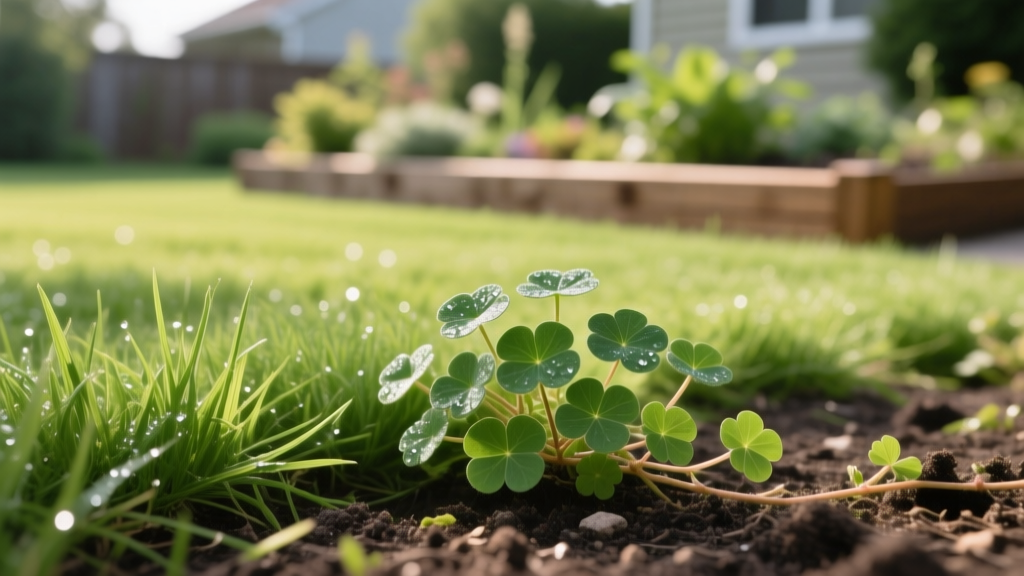
How To Identify And Eradicate Creeping Charlie Weed
Robert HayesPublished
Introduction to Creeping Charlie
Creeping Charlie (Glechoma hederacea), also known as ground ivy, gill-over-the-ground, or creeping Jenny, is one of the most notoriously difficult weeds to manage in home lawns and shaded garden beds. As a member of the mint family, this aggressive perennial broadleaf weed thrives in moist, shady areas where traditional turfgrass often struggles to grow. For homeowners looking to maintain a pristine outdoor living space or protect their garden-to-table vegetable patches, understanding how to identify and eradicate this invasive plant is crucial.
Originally introduced to North America by European settlers for its medicinal properties and as a groundcover, Creeping Charlie has since become a widespread nuisance. Its ability to rapidly colonize lawns, flower beds, and the spaces between patio pavers makes it a primary target for seasonal home maintenance routines. In this comprehensive guide, we will explore the biology of Creeping Charlie, how to accurately identify it, and the most effective manual, organic, and chemical removal strategies available to modern homeowners.
How to Identify Creeping Charlie
Accurate identification is the first step in any successful weed management program. Misidentifying a weed can lead to the application of ineffective treatments, wasting both time and money. Creeping Charlie possesses several distinct characteristics that set it apart from other common lawn weeds.
Key Identification Features
- Leaves: The leaves are round to kidney-shaped, measuring about half an inch to one and a half inches in diameter. They feature scalloped (crenate) edges and a somewhat wrinkled texture with prominent veins. When crushed, the leaves emit a strong, distinct minty or oregano-like odor.
- Stems: The stems are square (characteristic of the mint family) and can grow up to several feet long. They creep along the ground, rooting at each node (the point where leaves attach to the stem) when they come into contact with moist soil.
- Flowers: In mid-spring, Creeping Charlie produces small, funnel-shaped flowers that range in color from pale blue to lavender. These flowers grow in clusters of three or more at the base of the leaves.
- Growth Habit: It forms a dense, mat-like canopy that chokes out desired turfgrass and low-growing garden plants by blocking sunlight and competing for soil nutrients.
Comparison Chart: Creeping Charlie vs. Lookalikes
Homeowners often confuse Creeping Charlie with other common broadleaf weeds. The table below highlights the key differences to ensure proper identification.
| Feature | Creeping Charlie (Ground Ivy) | Henbit | Speedwell |
|---|---|---|---|
| Leaf Shape | Round/kidney-shaped, scalloped edges | Round, deeply lobed edges | Small, oval to heart-shaped |
| Stem | Square, roots at nodes | Square, does not root at nodes | Round or slightly square, fibrous |
| Odor | Strong minty/pungent when crushed | Slight earthy smell | No distinct odor |
| Flower Color | Pale blue/lavender | Pink to purple | Bright blue with white center |
| Life Cycle | Perennial | Winter Annual | Perennial or Annual |
Why is Creeping Charlie So Hard to Kill?
Before diving into removal techniques, it is important to understand why this weed is so resilient. According to the University of Wisconsin-Madison Extension, Creeping Charlie's success lies in its aggressive vegetative reproduction. Every single node along its sprawling stem has the potential to develop roots and form a new, independent plant. If you pull the weed and leave even a tiny fragment of stem with a node behind, it will quickly regenerate.
Additionally, Creeping Charlie leaves have a somewhat waxy cuticle that can repel liquid herbicides, causing the chemicals to bead up and roll off before they can be absorbed into the plant's vascular system. Its preference for shady, poorly drained soils also means it often grows in areas where turfgrass is already weak, giving the weed a distinct competitive advantage.
Manual and Organic Removal Methods
For homeowners who prefer to avoid synthetic chemicals—especially those maintaining garden-to-table raised beds or areas where children and pets play—manual and organic control methods are the best approach.
Hand Pulling and Smothering
Hand pulling is most effective when the soil is moist, such as after a heavy rain. Use a weeding tool or a dandelion digger to get under the nodes. You must remove all rooting nodes to prevent regrowth. For larger infestations in garden beds, smothering is highly effective. Lay down thick layers of cardboard or wet newspaper, cover with 3 to 4 inches of organic mulch, and leave it for an entire growing season. This blocks sunlight and physically prevents the weed from spreading.
Iron-Based Organic Herbicides
In recent years, chelated iron (FeHEDTA) herbicides have emerged as a highly effective organic alternative for broadleaf weed control. Products like Fiesta or Natria Lawn Weed Control utilize iron, which is toxic to broadleaf plants like Creeping Charlie but safe for most turfgrasses. The iron causes rapid cellular damage in the weed, leading to necrosis (tissue death) within hours. Multiple applications spaced 3 to 4 weeks apart are usually required for complete control.
The Borax Myth
You may find older internet forums recommending a homemade borax solution to kill Creeping Charlie. However, modern horticultural science strongly advises against this. Boron does not break down easily in the soil, and repeated applications can lead to toxic boron levels, permanently sterilizing the soil and preventing anything else from growing in that area. Stick to iron-based herbicides or manual removal instead.
Chemical Control Strategies
When manual methods are impractical due to the sheer scale of the infestation, selective broadleaf herbicides are necessary. When using any chemical pesticide, always read and follow the label instructions carefully, as mandated by the Environmental Protection Agency (EPA).
Choosing the Right Active Ingredient
Standard 2,4-D herbicides are largely ineffective against mature Creeping Charlie. Instead, look for products containing Triclopyr or Dicamba. Triclopyr is particularly effective against tough, waxy-leaved weeds in the mint family. Many commercial 'Weed and Feed' or 'Triple Threat' lawn products combine 2,4-D, Dicamba, and Quinclorac, which provides a broader spectrum of control.
Optimal Timing for Application
Timing is everything when applying post-emergent herbicides. The best time to treat Creeping Charlie is in the early fall (mid-September to early October). During this period, the weed is actively pulling nutrients down into its root system to prepare for winter. Herbicides applied at this time are translocated directly to the roots, ensuring a complete kill. Spring applications are less effective because the plant is pushing energy upward into new growth and flowers, meaning the chemical may only burn off the top leaves while the roots survive.
Application Tips for Maximum Efficacy
- Add a Surfactant: Because of the waxy leaf coating, adding a non-ionic surfactant (or a few drops of liquid dish soap) to your spray tank will break the surface tension, allowing the herbicide to coat and penetrate the leaves.
- Avoid Mowing: Do not mow your lawn for 2 to 3 days before and after application. This maximizes the leaf surface area available to absorb the chemical.
- Watch the Weather: Apply when temperatures are between 60°F and 80°F. Avoid spraying if rain is expected within 24 hours or if winds exceed 5 mph to prevent herbicide drift onto desirable garden plants.
Prevention and Long-Term Lawn Health
The ultimate defense against Creeping Charlie is a thick, vigorous lawn. As noted by turfgrass specialists at NC State Extension, this weed is an opportunistic invader that exploits thin, weak turf and bare soil. By optimizing your lawn care practices, you can naturally suppress weed germination and spread.
Cultural Practices to Deter Ground Ivy
- Increase Mowing Height: Set your mower deck to 3 or 4 inches. Taller grass blades shade the soil surface, depriving Creeping Charlie seeds and seedlings of the sunlight they need to establish.
- Improve Soil Drainage: Creeping Charlie loves damp, compacted soil. Core aerate your lawn annually to relieve compaction, and top-dress with compost to improve water infiltration.
- Manage Shade: If possible, prune lower tree branches to allow more sunlight to reach the turf. In areas that remain heavily shaded despite pruning, consider replacing the struggling turfgrass with shade-tolerant groundcovers like pachysandra or hostas, or use hardscaping elements like decorative gravel or patio stones.
- Overseed Annually: Fall overseeding with a shade-tolerant turfgrass blend (such as fine fescues) will fill in bare patches and outcompete emerging weeds.
Conclusion
Eradicating Creeping Charlie requires patience, accurate identification, and a strategic approach tailored to your specific outdoor living space. Whether you opt for manual extraction, organic iron-based treatments, or targeted chemical herbicides, consistency is key. By combining active removal techniques with proactive lawn health practices, you can reclaim your yard from this invasive mint and enjoy a lush, pristine landscape that seamlessly bridges your indoor and outdoor living areas.
