Home & Garden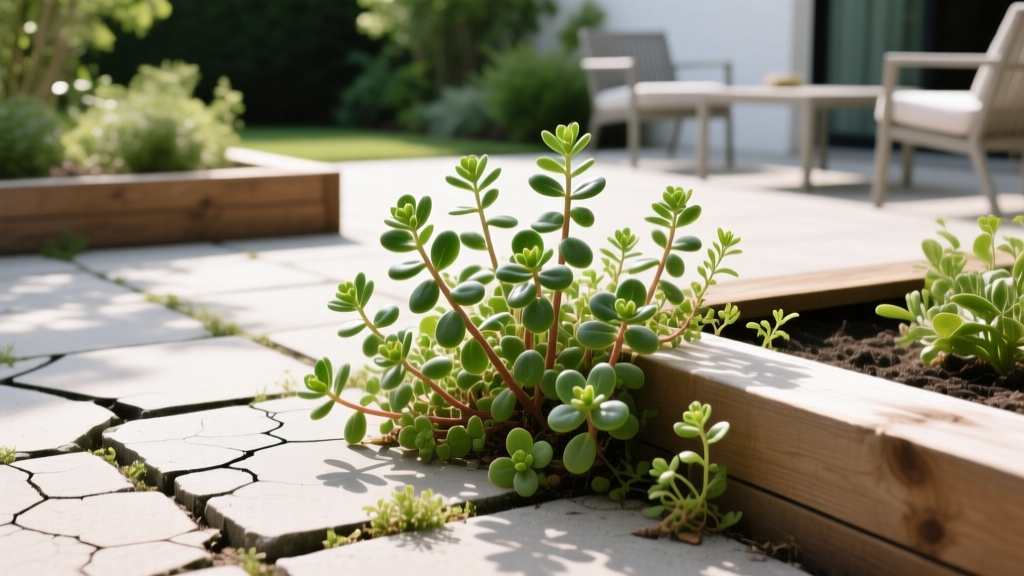
How to Identify and Remove Common Patio and Garden Weeds
Lisa ThompsonPublished
Bridging Indoor and Outdoor Living: The Weed Challenge
As homeowners increasingly treat their patios, decks, and raised garden beds as extensions of their indoor living spaces, the aesthetic and structural integrity of these outdoor areas becomes paramount. Nothing disrupts the seamless transition from your living room to your garden patio quite like an invasion of stubborn weeds. Weeds do not merely look unsightly; they can cause significant structural damage to hardscaping, harbor pests, and compete aggressively with your prized garden-to-table vegetables and ornamental plants.
The transition zones between hardscapes (like pavers and stone walls) and softscapes (like raised beds and lawn edges) are particularly vulnerable. Microclimates created by the heat retention of stone and the moisture from adjacent garden beds create the perfect breeding ground for resilient weed species. To maintain a pristine outdoor living environment, it is crucial to accurately identify these invaders and deploy targeted removal strategies that protect both your hardscaping and your edible gardens.
The Hidden Costs of Hardscape and Garden Weeds
Many homeowners view weeds in patio crevices as a mere cosmetic annoyance, but the reality is far more costly. Weed roots, particularly those of taprooted species, can exploit microscopic fissures in concrete, mortar, and polymeric sand. As the roots expand, they exert immense hydraulic pressure, leading to cracked pavers, shifted retaining walls, and uneven patio surfaces. Repairing a compromised hardscape can cost anywhere from $15 to $30 per square foot, making proactive weed management a vital component of seasonal home maintenance.
In raised garden beds, weeds like purslane and spurge act as aggressive competitors. They steal vital water and nutrients from your tomatoes, peppers, and herbs, while also serving as alternate hosts for aphids and fungal diseases. Effective weed management is therefore essential for any successful garden-to-table endeavor.
Weed Identification Guide: Know Your Enemy
Before you can effectively eradicate a weed, you must correctly identify it. Misidentification often leads to the wrong treatment method, wasting time and money. Below is a comparison chart of the three most common weeds found in outdoor living spaces and raised beds.
| Weed Name | Scientific Name | Identifying Features | Preferred Habitat | Root System |
|---|---|---|---|---|
| Prostrate Spurge | Chamaesyce maculata | Low-growing, reddish stems, small oval leaves with a red spot, milky sap | Patio cracks, hot hardscapes, poor soil | Shallow taproot |
| Common Purslane | Portulaca oleracea | Fleshy succulent leaves, reddish stems, small yellow flowers | Moist garden beds, edges of patios | Shallow, fibrous, easily fragments |
| Dandelion | Taraxacum officinale | Jagged basal rosette of leaves, hollow stems, bright yellow flowers | Lawn edges, deep soil near raised beds | Deep, brittle taproot |
1. Prostrate Spurge
Prostrate spurge is a summer annual that thrives in the intense heat radiating from patio pavers and stone walls. It forms a dense, low-lying mat that can quickly smother low-growing ground covers. According to the University of California Statewide IPM Program, spurge is particularly problematic because it produces a milky latex sap that can irritate the skin and stain outdoor furniture or clothing. Its shallow taproot makes it relatively easy to pull when young, but if left unchecked, it will drop thousands of seeds into the tiny gaps between your pavers.
2. Common Purslane
While sometimes foraged as an edible green in garden-to-table cooking, common purslane is a formidable weed in ornamental and vegetable beds. Its succulent nature allows it to survive severe drought, and it can reroot from tiny stem fragments left in the soil after hoeing. Purslane thrives in the moist, nutrient-rich soil of raised beds, often hiding beneath the canopy of larger vegetable plants.
3. Dandelion
The ubiquitous dandelion is a perennial broadleaf weed with a deep, brittle taproot that can extend up to 10 inches into the soil. In outdoor living spaces, dandelions often take root in the soil joints between flagstones or at the base of retaining walls. If the entire taproot is not removed, the weed will rapidly regenerate. The United States Department of Agriculture (USDA) Plants Database notes that dandelions are highly adaptable and can flower and set seed almost year-round in mild climates.
Manual and Mechanical Removal Strategies
For small infestations and sensitive areas near edible plants, manual removal is the safest and most effective approach. The right tools make a significant difference in both efficiency and ergonomics.
- The Hori Hori Knife: This Japanese soil knife (costing approximately $25-$40) features a serrated edge and a concave blade, making it the ultimate tool for excavating deep dandelion taproots from raised beds without disturbing the roots of your vegetables.
- Patio Crack Weeder: Tools like the CobraHead Weeder or specialized L-shaped patio scrapers are designed specifically to slide into narrow hardscape joints and sever weed roots at the base. Expect to spend around $20 for a high-quality, forged steel patio weeder.
- Flame Weeding: For weeds growing in gravel driveways or deep patio cracks far from flammable structures and dried mulch, a propane flame weeder ($50-$100) is highly effective. A quick one-second pass with the flame boils the water inside the plant's cells, causing it to wilt and die within hours without the use of chemicals.
Organic and Chemical Treatment Options
When manual removal is impractical due to the scale of the infestation, targeted treatments are necessary. It is vital to choose products that align with your landscape's ecological goals, especially near garden-to-table crops.
Organic Post-Emergents for Hardscapes
For weeds in patio pavers and stone walls, horticultural vinegar (20% to 30% acetic acid) is a powerful, non-selective contact herbicide. Products like Green Gobbler or Doctor Kirchner Natural Weed Killer burn the foliage of spurge and purslane on contact. Warning: 20% acetic acid is highly corrosive. You must wear safety goggles, long sleeves, and chemical-resistant gloves. Apply on a hot, sunny day for maximum efficacy, and avoid overspray onto desirable garden plants or metal outdoor furniture, as it can cause rust and defoliation.
Iron-Based Herbicides for Garden Edges
If weeds are encroaching from the lawn onto your patio edges, chelated iron (FeHEDTA) herbicides offer a brilliant solution. These products selectively target broadleaf weeds like dandelions and spurge while leaving grass unharmed. The iron causes oxidative stress in broadleaf plants, leading to rapid necrosis, but is safely absorbed by turfgrass. It is also much safer for the soil microbiome than synthetic glyphosate or 2,4-D formulations.
Pre-Emergents for Raised Beds
Corn Gluten Meal (CGM) is an organic pre-emergent herbicide that inhibits root formation in germinating weed seeds. Apply CGM to the surface of your raised beds in early spring at a rate of 20 lbs per 1,000 square feet. It also acts as a mild nitrogen fertilizer (10-0-0), giving your spring transplants a gentle boost. Note that CGM will not kill existing weeds; it only prevents new seeds from establishing.
Preventative Maintenance for Hardscapes and Beds
The most cost-effective weed control strategy is prevention. By altering the environment to make it inhospitable to weed seeds, you can drastically reduce your seasonal maintenance workload.
Sealing Hardscape Joints
If your patio pavers are constantly plagued by spurge and moss, it is time to replace the jointing sand. Sweep out the old, degraded sand and replace it with Polymeric Sand (brands like Sakrete or Techniseal cost about $30 per 50lb bag). When activated with a light mist of water, the polymers bind the sand particles together into a flexible, concrete-like barrier that blocks weed seeds and deters digging insects, all while allowing for necessary drainage and thermal expansion.
Smart Irrigation and Mulching
Weeds require moisture to germinate. Overhead sprinklers that water your patio and the bare soil between your vegetables are essentially farming weeds. Upgrade to a smart drip irrigation system (such as Rachio or Orbit B-hyve) that delivers water directly to the root zones of your desired plants. Follow this by applying a 2-to-3-inch layer of organic mulch (like arborist wood chips or straw) over the soil surface. This blocks the sunlight necessary for weed seed germination and retains soil moisture for your crops.
Seasonal Weed Control Calendar
Timing is everything in landscape management. Follow this seasonal calendar to stay ahead of the weed life cycle:
- Early Spring (Soil Temps ~55°F): Apply Corn Gluten Meal to garden beds. Sweep and apply polymeric sand to patio joints before the spring rains begin.
- Late Spring to Early Summer: Hand-pull or spot-treat young annual weeds (like purslane and spurge) before they have the chance to flower and set seed. This is the most critical window for prevention.
- Mid-Summer: Utilize flame weeding or horticultural vinegar for stubborn hardscape weeds. Ensure smart drip irrigation is functioning correctly to keep patio joints dry.
- Autumn: Remove all dead weed debris from patio crevices and garden beds to eliminate overwintering habitats for pests and diseases. Apply a final layer of mulch to beds before the first frost.
Conclusion
Maintaining the beauty and functionality of your outdoor living spaces requires a proactive, multi-faceted approach to weed management. By accurately identifying invaders like prostrate spurge, common purslane, and dandelions, and by utilizing the right combination of mechanical tools, targeted organic treatments, and preventative hardscape sealing, you can protect your investment. A weed-free patio and a thriving, productive raised garden bed ensure that your outdoor spaces remain a pristine, welcoming extension of your home for years to come. For more detailed information on safe pest and weed management, always consult resources like the Environmental Protection Agency (EPA) to ensure your methods are safe for your family, pets, and local ecosystem.
