Home & Garden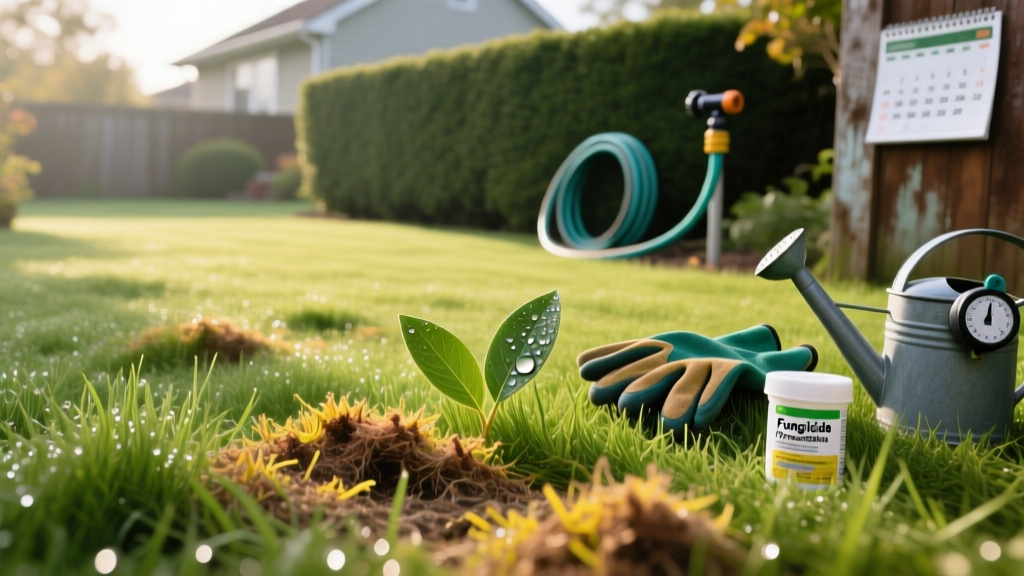
Identify and Treat Brown Patch Disease in Fescue Lawns
Lisa ThompsonPublished
The Threat of Brown Patch to Your Outdoor Oasis
A vibrant, disease-free lawn is the ultimate foundation for your outdoor living space. Whether you are arranging a new set of teak patio furniture, establishing a garden-to-table herb pathway, or simply enjoying a quiet morning coffee on the deck, the aesthetic and functional value of your landscape relies heavily on turf health. For homeowners with cool-season grasses—particularly Tall Fescue and Kentucky Bluegrass—summer brings a formidable enemy: Brown Patch disease. Caused by the soil-borne fungus Rhizoctonia solani, this aggressive pathogen can transform a lush, green outdoor retreat into a patchy, brown eyesore in a matter of days. Understanding how to identify, treat, and prevent this disease is a critical component of seasonal home maintenance and energy-efficient landscaping, ensuring your yard remains a pristine extension of your indoor living areas.
Identifying Brown Patch: Signs and Symptoms
Before you can treat the problem, you must accurately diagnose it. Brown patch typically manifests during the hot, humid months of early to mid-summer. The most recognizable symptom is the appearance of circular or irregularly shaped patches of dead or dying grass, ranging from one to over three feet in diameter. In severe cases, these patches can coalesce, creating massive areas of blighted turf that completely disrupt the visual flow of your landscape design.
One of the most diagnostic features of brown patch is the 'smoke ring.' In the early morning, when dew is heavy on the grass, you may notice a dark, smoky-purple or brown ring at the outer edge of the patch. This ring represents the active, expanding margin of the fungal infection. As the sun rises and dries the grass blades, the smoke ring fades, leaving behind a brittle, tan-colored center. According to the Clemson University Home and Garden Information Center, examining individual grass blades will reveal distinct lesions with dark brown, purplish borders and bleached centers, confirming the presence of Rhizoctonia solani.
Common Summer Lawn Diseases: A Quick Comparison
Misdiagnosing a lawn disease can lead to wasted money on the wrong treatments and further deterioration of your outdoor space. Use the table below to differentiate Brown Patch from other common summer turf diseases.
| Disease | Patch Size | Leaf Symptoms | Temperature Trigger |
|---|---|---|---|
| Brown Patch | 1 to 3+ feet | Lesions with dark borders; smoke ring in morning | Day > 80°F, Night > 68°F |
| Dollar Spot | 1 to 6 inches | Hourglass-shaped bleached lesions; white cobweb mycelium | Day 60-85°F, High Humidity |
| Pythium Blight | 1 to 3 feet | Greasy, matted grass; cottony white mycelium | Day > 85°F, Night > 70°F |
As noted by NC State University TurfFiles, proper identification is the cornerstone of integrated pest management. Applying a fungicide labeled only for Dollar Spot will yield poor results if your lawn is actually suffering from a Brown Patch outbreak.
Environmental Triggers and Smart Irrigation Integration
Plant pathologists often refer to the 'Disease Triangle,' which dictates that a disease outbreak requires three simultaneous conditions: a susceptible host (your fescue lawn), a virulent pathogen (the fungus), and a favorable environment. While you cannot easily remove the pathogen from your soil, you have significant control over the environment.
Brown patch thrives when nighttime temperatures remain above 68°F and the grass canopy stays wet for more than 10 hours. Overwatering, poor soil drainage, and late-afternoon irrigation are the primary culprits. This is where smart home integration becomes a game-changer for modern lawn care. By upgrading to a Wi-Fi-enabled smart irrigation controller (such as Rachio or Hunter Hydrawise), you can connect your sprinkler system to hyper-local weather stations. These smart systems automatically skip scheduled watering cycles when recent rainfall or high ambient humidity is detected, preventing the prolonged leaf wetness that triggers fungal germination. Setting your smart controller to water exclusively between 4:00 AM and 6:00 AM ensures the grass dries quickly once the sun rises, drastically reducing the risk of an outbreak.
Actionable Treatment Strategies
Cultural Controls: Mowing and Moisture
Before reaching for chemicals, optimize your cultural practices. Mowing height plays a critical role in turf resilience. For Tall Fescue, maintain a mowing height of 3.5 to 4 inches during the summer heat. Cutting the grass too short stresses the root system and reduces the plant's ability to photosynthesize, making it highly susceptible to fungal invasion. Furthermore, never mow a wet lawn, as the mower wheels will spread the fungal spores from infected patches to healthy areas of your yard.
If your lawn is actively infected, bag your grass clippings rather than mulching them back into the turf. While mulching is generally a great practice for returning nitrogen to the soil, doing so during a brown patch outbreak simply redistributes the pathogen. Additionally, improve air circulation around your outdoor living spaces by pruning back overgrown shrubs or ornamental trees that cast heavy shade and trap humidity against the lawn.
Chemical Controls: Fungicide Application
When cultural controls are not enough, targeted chemical intervention is necessary. Fungicides are most effective when applied preventatively or at the very first sign of disease. Once the grass crown is infected and the turf turns entirely brown, fungicides will halt the spread, but the damaged grass will not turn green again until new growth emerges in the cooler fall weather.
For residential lawns, look for granular or liquid fungicides containing the following active ingredients:
- Azoxystrobin (Strobilurin class): Found in consumer products like Scotts DiseaseEx. It offers excellent preventative and early curative control. A standard 8 lb bag costs around $20 to $25 and covers approximately 5,000 square feet.
- Propiconazole (DMI class): Available in liquid concentrates like Banner Maxx or Bonide Infuse. It is highly effective and systemic, meaning it is absorbed by the plant. A pint of concentrate costs roughly $30 to $40 and treats up to 10,000 square feet when mixed with water in a pump sprayer.
- Myclobutanil: A more budget-friendly option found in products like Spectracide Immunox, though it may require more frequent applications compared to Azoxystrobin.
Crucial Resistance Management Tip: Fungi can quickly develop resistance to chemical treatments. To maintain efficacy and protect your investment, always rotate between different classes of fungicides. For example, alternate between a Strobilurin (Azoxystrobin) and a DMI (Propiconazole) every 28 days during peak summer months.
When applying liquid fungicides, use a hose-end or pump sprayer to ensure even coverage across the grass blades. Apply the product during the cooler parts of the day, avoiding the heat of the afternoon to prevent chemical burn on stressed turf. Water the lawn lightly after applying granular products to move the active ingredient down into the thatch layer and soil surface where the fungus resides.
Long-Term Prevention and Landscape Integration
A holistic approach to seasonal home maintenance involves addressing the underlying soil conditions that favor disease. Brown patch is exacerbated by excessive thatch buildup and compacted soil, both of which impede drainage and keep the root zone overly moist. Schedule a core aeration service for early fall. This process removes small plugs of soil, alleviating compaction, improving water infiltration, and allowing vital oxygen to reach the root zone. Follow aeration with top-dressing and overseeding using disease-resistant fescue cultivars to thicken the turf canopy and crowd out future fungal invaders.
Furthermore, evaluate your landscape lighting and hardscaping. Solid stone walls or dense privacy hedges surrounding your patio can trap humid air over the adjacent lawn. Incorporating strategic landscape design elements that promote cross-breezes will naturally dry the grass canopy faster. By combining smart irrigation technology, precise chemical applications, and thoughtful outdoor design, you can eradicate brown patch and maintain a flawless, inviting lawn that perfectly complements your garden-to-table lifestyle and outdoor entertaining spaces for years to come.
