Home & Garden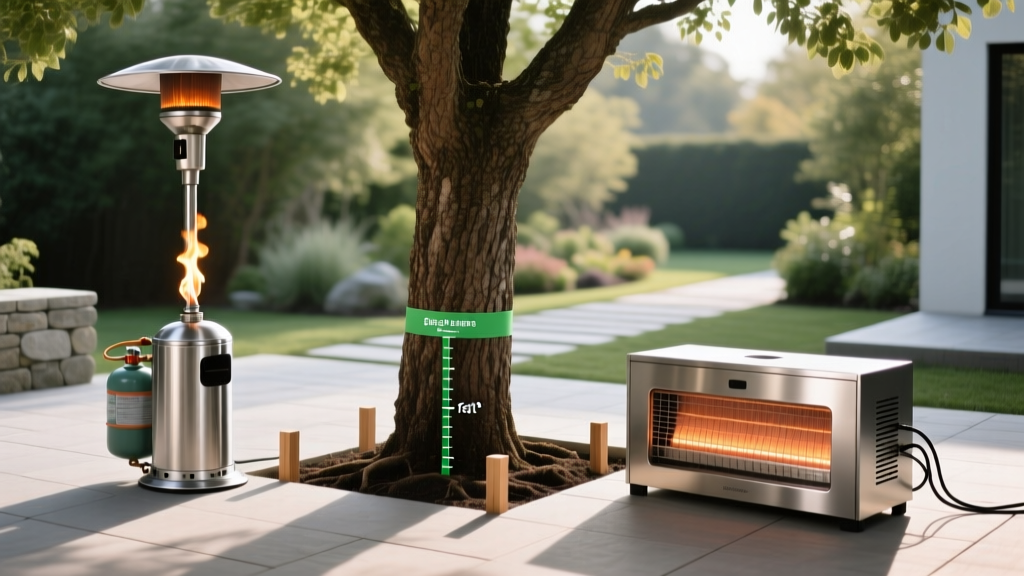
2026 Patio Heaters: Propane vs Infrared Coverage & Tree Safety
David ParkPublished
Integrating Hardscape Heating with Softscape Tree Planting in 2026
As outdoor living spaces continue to evolve into fully functional, year-round extensions of the home, the integration of patio heating has become a standard feature in modern landscape design. However, for homeowners and landscape architects focused on tree selection and planting guides, the introduction of intense, localized heat sources presents a unique horticultural challenge. When drafting your 2026 landscape plan, the placement of your patio heater must directly dictate your tree selection, planting clearances, and long-term soil management strategies. Choosing between a traditional propane pyramid heater and a modern infrared electric wall-mount is no longer just a matter of fuel preference or patio aesthetics; it is a critical decision that impacts the health, structural integrity, and survival of your garden's canopy.
Planting a tree is a long-term investment. According to the Arbor Day Foundation, proper planting depth, root flare exposure, and site selection are the most critical factors in ensuring a tree thrives for decades. Yet, many planting guides fail to account for the artificial microclimates created by outdoor heating appliances. In this comprehensive 2026 guide, we will bridge the gap between hardscape energy efficiency and softscape horticulture, exploring how propane and infrared electric heat coverage affects tree canopies, root zones, and overall landscape vitality.
The Physics of Heat: Propane vs. Infrared Electric Coverage
To understand how patio heaters affect nearby trees, we must first understand how they transfer thermal energy. The two dominant technologies in 2026—propane gas and infrared electric—operate on fundamentally different physical principles, resulting in drastically different impacts on surrounding foliage and soil.
Propane Patio Heaters: Omnidirectional Radiant and Convective Heat
Freestanding propane patio heaters, often recognized by their mushroom or pyramid-shaped tops, generate heat through combustion. A standard 2026 residential propane model outputs between 40,000 and 50,000 BTUs. This heat is transferred both radiantly (from the heated emitter screen) and convectively (as hot air rises). Because hot air naturally ascends, the thermal plume from a propane heater creates a significant vertical column of heat. For nearby trees, this means the underside of the canopy is subjected to continuous, drying heat, which can desiccate leaves, scorch bark, and disrupt the natural dormancy cycles of deciduous species during winter months.
Infrared Electric Heaters: Directional Radiant Heat
Infrared electric heaters, particularly the sleek, wall-mounted or ceiling-suspended carbon fiber models popular in 2026, operate by emitting electromagnetic radiation that heats solid objects rather than the surrounding air. Typically drawing between 1,500 and 3,000 watts, these units provide a highly directional, focused beam of warmth. Because they do not rely on convective air currents, there is no rising column of hot air to bake the tree canopy above. The heat impact is strictly limited to the objects within the direct line of sight of the infrared quartz or carbon tubes, making them vastly superior for patios situated directly beneath or adjacent to established tree canopies.
Comparative Analysis: Heat Coverage and Tree Impact
The following table outlines the critical differences between these two heating methods from a tree planting and landscape management perspective.
| Feature | Propane Freestanding Heater | Infrared Electric Wall-Mount |
|---|---|---|
| Heat Output | 40,000 - 50,000 BTUs | 1,500 - 3,000 Watts (approx. 5,000 - 10,000 BTUs) |
| Coverage Area | 150 - 250 sq ft (Omnidirectional) | 50 - 100 sq ft (Highly Directional) |
| Canopy Risk Level | High (Rising convective heat plume) | Low (Targeted radiation, no rising heat) |
| Root Zone Impact | Severe topsoil drying and moisture loss | Minimal soil impact unless directly angled downward |
| Required Vertical Tree Clearance | 7 to 10 feet minimum | 3 to 5 feet minimum |
| Required Lateral Trunk Clearance | 5 to 7 feet minimum | 2 to 4 feet minimum (out of direct beam) |
Tree Selection for Heated Patio Zones
When selecting trees to plant near outdoor living spaces equipped with patio heaters, you must prioritize species that exhibit high tolerance to thermal stress, localized drought, and fluctuating winter temperatures. The Environmental Protection Agency (EPA) notes that mitigating localized urban heat islands and managing microclimates requires strategic planting of resilient, heat-tolerant cultivars. Here are the top tree selections for 2026 heated patio environments, categorized by heater type.
Best Trees for Propane Heater Proximity (High Heat Tolerance)
If your landscape design mandates the use of high-BTU propane heaters, you must select trees that can withstand ambient temperature spikes and dry air.
- Crepe Myrtle (Lagerstroemia indica): Known for its stunning summer blooms and peeling bark, the Crepe Myrtle is exceptionally heat-tolerant. However, its multi-stemmed structure requires careful pruning to maintain the mandatory 5-to-7-foot lateral clearance from the propane emitter.
- Olive Tree (Olea europaea): A staple in Mediterranean landscapes, the olive tree thrives in warm, dry conditions. Its silvery foliage reflects intense light and heat, making it highly resistant to the scorching effects of nearby propane plumes. Ensure you select fruitless cultivars like 'Swan Hill' to prevent patio staining.
- Windmill Palm (Trachycarpus fortunei): For a tropical aesthetic in temperate zones, this cold-hardy palm handles the dry, rising heat of a propane heater far better than broadleaf tropicals, provided the trunk is kept at least 6 feet away from the heat source.
Best Trees for Infrared Electric Zones (Moderate Heat Tolerance)
Infrared electric heaters allow for a much broader palette of tree selections, as the lack of convective heat protects delicate canopies.
- Japanese Maple (Acer palmatum): Famous for its delicate, lace-like leaves, the Japanese Maple is highly susceptible to heat scorch and leaf desiccation. It should never be planted near a propane heater. However, it can thrive near an infrared setup, provided the directional beam is angled strictly toward the seating area and away from the tree's foliage.
- Eastern Redbud (Cercis canadensis): This beautiful understory tree provides excellent spring color and a broad, spreading canopy. Because infrared heaters do not emit rising heat, the Redbud's low-hanging branches are safe from thermal damage, assuming standard lateral clearances are met.
- Dogwood (Cornus florida): Another shade-tolerant understory tree that suffers in high-heat environments. The gentle, directional warmth of an infrared electric mount allows you to plant Dogwoods closer to the patio edge without risking the marginal leaf burn associated with gas heaters.
Planting Clearances and Canopy Protection Standards
Proper spacing is the most effective way to protect your trees from thermal damage while ensuring your patio remains safe and comfortable. When digging your planting hole in 2026, always measure from the mature trunk width and canopy spread, not the size of the sapling you are planting today.
For propane heaters, the National Fire Protection Association (NFPA) and leading arborists recommend a strict minimum vertical clearance of 10 feet from the top of the heater dome to the lowest tree branch. This accounts for the upward convective plume and prevents the accumulation of combustible dry leaves near the heat source. Laterally, maintain a 5-to-7-foot buffer from the trunk to prevent bark desiccation and cambium damage.
For infrared electric heaters, the rules shift from fire safety to horticultural preservation. While the NFPA requires standard combustible clearances (usually 3 feet for wall mounts), the primary concern is avoiding direct infrared beam exposure on the trunk. Prolonged, direct infrared radiation on dark tree bark can artificially raise the cambium temperature, tricking the tree into breaking dormancy prematurely in late winter, which can be fatal if a freeze follows. Always angle infrared tubes downward toward the patio furniture, ensuring the tree trunk remains in the thermal shadow.
Root Zone Management and Soil Moisture Conservation
The impact of patio heaters extends below the soil surface. Propane heaters, in particular, act as localized drought-stressors. The intense radiant heat bakes the topsoil, drastically increasing the evaporation rate and creating a hydrophobic soil crust that repels light rainfall. If you are planting trees within a 15-foot radius of a frequently used propane heater, you must implement aggressive root zone management strategies.
First, apply a 3-to-4-inch layer of coarse hardwood mulch over the tree's root zone, extending out to the drip line. Crucially, keep the mulch at least 3 inches away from the tree's trunk flare to prevent rot and rodent habitation. This mulch layer acts as a thermal insulator, protecting the delicate feeder roots from the artificial heat radiating across the patio surface.
Second, integrate smart drip irrigation. In 2026, smart home garden integration allows you to connect soil moisture sensors directly to your irrigation controller. If the soil moisture near the patio drops below 30% due to the drying effects of the propane heater, the smart valve will automatically trigger a deep, slow drip irrigation cycle, ensuring the tree remains hydrated without wasting water on the hardscape.
Conclusion: Designing for Harmony and Health
The modern outdoor living space is a delicate ecosystem where hardscape technology and softscape biology must coexist. As you plan your 2026 landscape renovations, remember that your choice between propane and infrared electric patio heaters will fundamentally alter your tree selection and planting strategy. By understanding the distinct thermal footprints of these appliances, adhering to strict canopy clearances, and protecting the vital root zone, you can enjoy a warm, inviting patio without compromising the health and longevity of your garden's most valuable assets. Plant smart, measure twice, and let your landscape thrive in every season.
