
Landscaping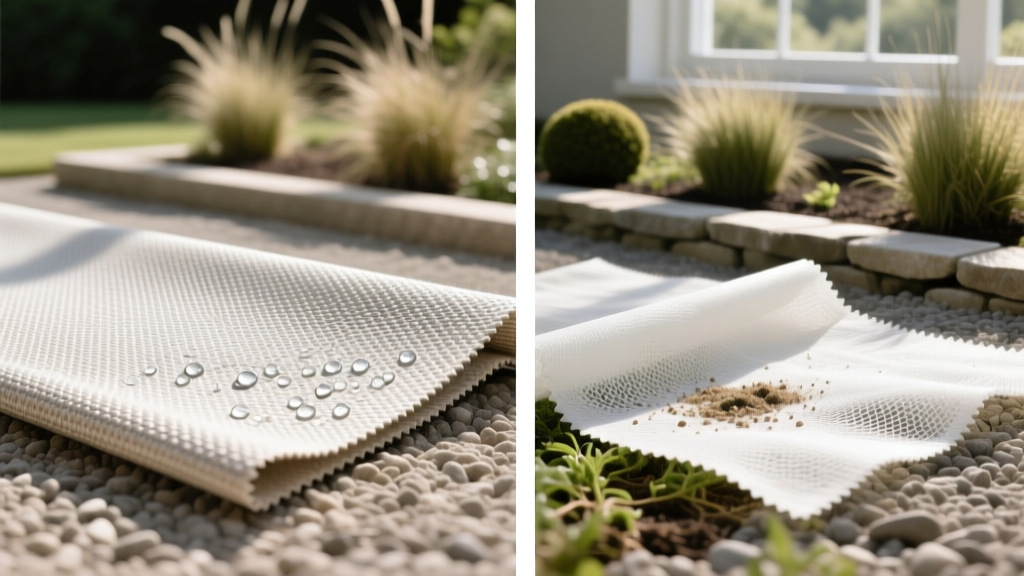
Best Landscape Fabric Reviews: Woven vs Non-Woven Barriers
Lisa ThompsonPublished
The Role of Landscape Fabric in Modern Landscaping
When planning a new garden bed, installing a gravel pathway, or building a retaining wall, managing weeds and stabilizing the ground are top priorities. Landscape fabric, often referred to as weed barrier, is a staple in the landscaping industry. However, not all fabrics are created equal. Choosing the wrong material can lead to poor drainage, soil compaction, and a frustrating weeding experience just a year after installation. In this comprehensive product review and comparison guide, we break down the best landscape fabrics on the market, evaluating their tensile strength, water permeability, and ideal use cases for both hardscaping and softscaping projects.
Understanding the Materials: Woven vs. Non-Woven vs. Spun
Before diving into specific product reviews, it is crucial to understand the three primary types of landscape fabric:
- Woven Fabric: Made from polypropylene or linen fibers woven together. This is the most common type used in landscaping. It offers high tensile strength, making it ideal for heavy-duty applications like gravel driveways, pathways, and under retaining walls. Water drains through the small gaps in the weave.
- Non-Woven Fabric: Typically made from polyester or polypropylene that is bonded together using heat or chemicals. It feels like felt and is primarily used for drainage solutions, such as wrapping French drains or separating soil layers, because it allows excellent water flow while blocking soil particles.
- Spun Fabric: Created by spinning polyester fibers into a continuous web. It is incredibly durable and tear-resistant but often more expensive. It is frequently used in commercial landscaping where longevity is paramount.
Top Product Reviews: Heavy-Duty Woven Fabrics
1. DeWitt Pro 5 Weed Barrier
The DeWitt Pro 5 is a heavyweight, woven polypropylene fabric that has been a trusted name in commercial landscaping for decades. Weighing in at 5 ounces per square yard, it is exceptionally thick and designed to withstand the sharp edges of crushed stone and gravel.
- Pros: Outstanding puncture resistance; UV-stabilized for up to 20 years of sun exposure; excellent for high-traffic gravel paths.
- Cons: Lower water permeability compared to lighter fabrics; can be stiff and difficult to cut and fold around complex garden bed curves.
- Best For: Hardscaping bases, gravel driveways, and rock gardens.
2. Happybuy Geotextile Fabric (Heavy Duty)
Happybuy's heavy-duty woven fabric is a favorite among DIY landscapers tackling large-scale projects. It features a high flow rate, ensuring that rainwater easily penetrates the soil below without pooling on the surface. The woven strips are tightly bound, preventing fraying when cut.
- Pros: Highly affordable for bulk rolls; excellent water drainage; resists tearing under heavy loads like paver bases.
- Cons: The edges can fray slightly if not cut with hot shears; thinner than the DeWitt Pro 5, making it slightly more vulnerable to sharp river rocks.
- Best For: Large patio paver bases, French drain separation, and general weed suppression under mulch.
Top Product Reviews: Non-Woven and Spun Fabrics
3. ECOgardener Premium Weed Barrier
The ECOgardener Premium is a hybrid woven/non-woven fabric that attempts to offer the best of both worlds. It is lightweight (around 3.2 ounces per square yard) but utilizes a specialized weave that allows for superior water and air penetration while blocking sunlight from reaching weed seeds.
- Pros: Very easy to cut and maneuver around existing plants; highly permeable, promoting healthy soil microbiology; eco-friendly materials.
- Cons: Not suitable for heavy hardscaping projects like gravel driveways, as heavy stones can puncture the material over time.
- Best For: Vegetable gardens, raised beds, and softscaping garden beds covered with organic bark mulch.
4. Scotts Pro Landscape Fabric
Scotts Pro is a spun-bond polyester fabric that excels in durability and flexibility. Unlike traditional woven fabrics, the spun nature of this material gives it a slight stretch, allowing it to conform to uneven terrain and curved garden borders without tearing.
- Pros: Incredible tear resistance; conforms easily to curved landscape designs; allows excellent water and nutrient flow to plant roots.
- Cons: Premium price point; can be difficult to secure with standard landscape staples due to its flexible nature.
- Best For: Complex, curved garden beds, sloped terrain, and high-end residential landscaping.
Comparison Chart: Landscape Fabric Specifications
| Product | Type | Weight (oz/sq yd) | Water Permeability | Best Use Case |
|---|---|---|---|---|
| DeWitt Pro 5 | Woven Polypropylene | 5.0 | Moderate | Gravel paths, driveways |
| Happybuy Heavy Duty | Woven Polypropylene | 3.8 | High | Paver bases, large areas |
| ECOgardener Premium | Hybrid Woven | 3.2 | Very High | Garden beds, mulch bases |
| Scotts Pro Fabric | Spun Polyester | 4.0 | High | Curved beds, slopes |
Expert Insights: When to Use (and Avoid) Landscape Fabric
While landscape fabric is highly effective for hardscaping and drainage projects, horticultural experts frequently warn against its long-term use in permanent planting beds. According to the University of Minnesota Extension, landscape fabric can degrade soil health over time. As organic mulch breaks down on top of the fabric, the soil beneath is starved of organic matter, leading to compaction and poor root health. Furthermore, weeds eventually blow in and root in the mulch layer above the fabric, making them incredibly difficult to pull because their roots tangle in the fabric's weave.
Similarly, Penn State Extension recommends relying on a thick layer of organic mulch rather than fabric for weed suppression in garden beds. Mulch naturally suppresses weeds, retains soil moisture, and improves soil structure as it decomposes. The Environmental Protection Agency (EPA) also advocates for integrated pest management (IPM) strategies, which include using physical barriers like mulch and proper plant spacing to reduce the need for synthetic weed barriers and chemical herbicides.
The Golden Rule: Use heavy-duty woven fabric for hardscaping (under gravel, stone, pavers, and retaining walls) and drainage applications. Avoid using fabric in softscaping (perennial beds, vegetable gardens, and around trees); instead, use 3 to 4 inches of high-quality organic mulch.
Installation Best Practices for Maximum Longevity
To ensure your landscape fabric performs as intended, follow these professional installation steps:
- Prepare the Soil: Remove all existing weeds, rocks, and debris. Level the soil and grade it away from structures to ensure proper drainage.
- Amend Before Laying: If using fabric in a planting area, mix compost and soil amendments into the native soil before laying the fabric, as you will not be able to amend the soil easily afterward.
- Overlap the Seams: When unrolling multiple strips, overlap the seams by at least 6 to 12 inches to prevent weeds from finding a gap.
- Secure with Staples: Use 6-inch galvanized steel landscape staples (pins) every 3 to 5 feet along the edges and seams. On slopes, increase the frequency to every 2 feet.
- Cut Properly: When planting through woven fabric, cut an 'X' rather than a circle. Fold the flaps back to plant, then fold them snugly around the base of the plant to minimize exposed soil.
- Cover Immediately: UV rays degrade most landscape fabrics over time. Always cover the fabric with at least 2 to 3 inches of mulch, gravel, or stone immediately after installation.
Final Verdict
Selecting the right landscape fabric depends entirely on your specific landscaping project. For heavy-duty hardscaping, gravel pathways, and retaining wall bases, the DeWitt Pro 5 remains the undisputed champion due to its unmatched puncture resistance and longevity. For large-scale paver bases and drainage separation, the Happybuy Geotextile offers incredible value and high water flow. However, for softscaping and garden beds, we recommend skipping the fabric altogether in favor of deep organic mulch, or using a highly permeable hybrid like the ECOgardener Premium if you must use a barrier for short-term weed suppression. By matching the material to the application, you can save time, reduce maintenance, and ensure the long-term health of your landscape.

