Lawn Care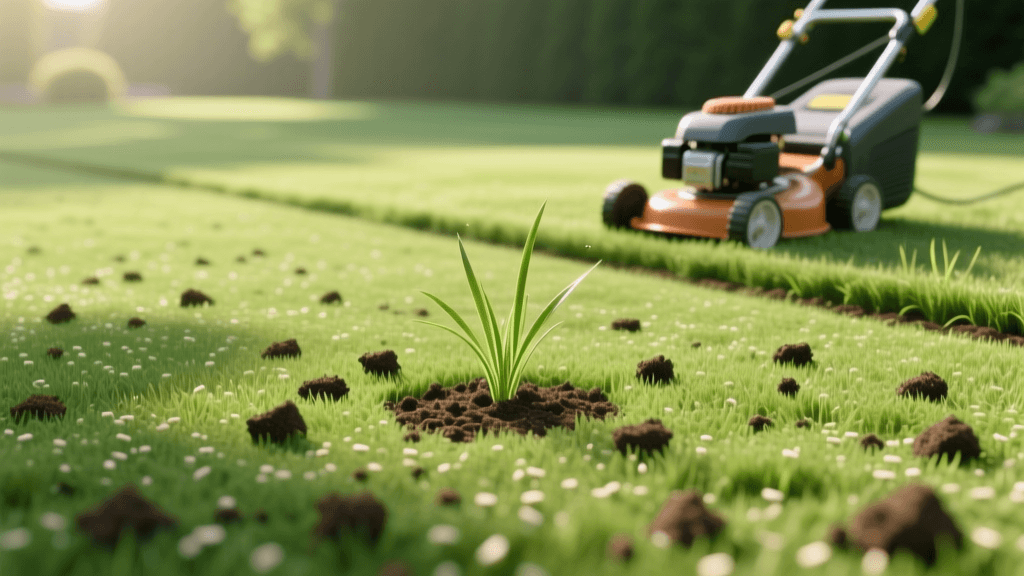
Step-by-Step Guide to Lawn Aeration and Overseeding
Revitalize Your Lawn: The Power of Aeration and Overseeding
If your cool-season lawn is looking thin, patchy, or worn out from heavy summer foot traffic, the combination of core aeration and overseeding is the ultimate rehabilitation strategy. While regular mowing and fertilization maintain a healthy lawn, they cannot fix underlying soil issues or reverse the natural aging process of turfgrass. Core aeration and overseeding work synergistically to relieve soil compaction, break down thatch, and introduce new, vigorous grass plants into your existing turf.
In this comprehensive how-to guide, we will walk you through the exact steps, timing, and materials needed to successfully aerate and overseed your lawn, transforming it into a thick, lush, and weed-resistant carpet of green.
Why Core Aeration is Essential
Over time, soil becomes compacted due to foot traffic, mowing equipment, and heavy rains. Compacted soil has tightly packed particles that restrict the movement of air, water, and essential nutrients to the grassroots. Furthermore, a layer of dead organic matter known as thatch can build up on the soil surface, creating a barrier that harbors disease and prevents water infiltration.
Core aeration involves using a machine to extract small plugs of soil and thatch (typically 2 to 3 inches deep and 0.5 to 0.75 inches in diameter) from the lawn. According to Penn State Extension, removing these cores creates physical channels in the soil, allowing oxygen, water, and fertilizers to reach the root zone. This process stimulates deeper root growth and enhances the activity of soil microorganisms that naturally break down thatch.
The Best Time to Aerate and Overseed
Timing is critical for cool-season grasses such as Kentucky Bluegrass, Tall Fescue, and Perennial Ryegrass. The ideal window for aeration and overseeding is late summer to early fall (typically late August through mid-October, depending on your hardiness zone). During this period, soil temperatures are still warm enough (between 50°F and 65°F) to promote rapid seed germination, while cooler air temperatures reduce heat stress on young seedlings. Additionally, fall offers fewer competing weeds, giving your new grass a chance to establish before winter.
Tools and Materials Needed
Before starting, gather the following equipment and supplies. Budget approximately $150 to $250 for a standard 5,000-square-foot lawn if you are renting equipment and buying premium materials.
- Core Aerator: Rent a walk-behind core aerator from a local hardware or equipment rental store (Average cost: $80–$100 per day). Avoid spike aerators, as they can actually increase soil compaction around the holes.
- Grass Seed: Choose a high-quality, weed-free seed blend suited to your region's sun and shade conditions.
- Starter Fertilizer: A fertilizer high in phosphorus (e.g., 10-18-10 N-P-K ratio) to promote strong root development in new seedlings.
- Broadcast Spreader: For even distribution of seed and fertilizer.
- Lawn Rake or Leaf Blower: For debris removal and seed-to-soil contact.
- Topdressing Material (Optional): Screened compost or high-quality topsoil.
Step-by-Step Aeration and Overseeding Process
Step 1: Prepare the Lawn
Start by mowing your lawn shorter than usual, aiming for a height of about 1.5 to 2 inches. Bag the clippings to expose the soil surface. Next, water your lawn deeply 24 to 48 hours before aerating. The soil should be moist but not muddy; if it is too dry, the aerator tines will not penetrate deeply enough, and if it is too wet, the machine will tear up the turf and create a mess.
Step 2: Core Aeration
Run the core aerator over your entire lawn in one direction, and then make a second pass in a perpendicular direction (creating a crisscross pattern). Focus on high-traffic areas and heavily compacted zones by making an extra pass. Leave the extracted soil plugs on the lawn; they will break down naturally over the next few weeks and return valuable microbes to the surface.
Step 3: Overseeding
Immediately after aerating, apply your grass seed using a broadcast spreader. For the most even coverage, split your total seed amount in half. Apply the first half while walking in a north-south direction, and the second half while walking east-west. The holes created by the aerator provide perfect, protected micro-environments for the seeds to fall into, ensuring excellent seed-to-soil contact.
Step 4: Fertilize and Topdress
Apply a starter fertilizer immediately after seeding. The University of Minnesota Extension recommends using a starter fertilizer because the phosphorus content is crucial for early root establishment in new grass. If you have a thin layer of screened compost, apply a light topdressing (about 1/4 inch thick) over the lawn. This helps retain moisture around the seeds and adds organic matter to the soil.
Step 5: Watering and Aftercare
Watering is the most critical factor in seed germination. You must keep the top inch of soil consistently moist. This usually requires light watering 2 to 3 times a day for 5 to 10 minutes per session, depending on weather conditions. Once the seeds have germinated and the new grass reaches about 2 inches tall, gradually reduce the frequency of watering but increase the duration to encourage deep root growth.
Cool-Season Grass Seed Rate Chart
Applying the correct amount of seed prevents overcrowding, which can lead to disease and weak turf. Refer to the chart below for standard overseeding rates.
| Grass Type | Overseeding Rate (lbs per 1,000 sq ft) | Germination Time |
|---|---|---|
| Tall Fescue | 4 - 6 lbs | 7 - 14 days |
| Kentucky Bluegrass | 1.5 - 2.5 lbs | 14 - 30 days |
| Perennial Ryegrass | 3 - 5 lbs | 5 - 10 days |
| Fine Fescue | 3 - 5 lbs | 7 - 14 days |
Common Mistakes to Avoid
- Using 'Weed and Feed' Products: Never apply a standard weed preventer (pre-emergent) before or immediately after overseeding. These products cannot distinguish between weed seeds and grass seeds and will halt germination. Wait until the new grass has been mowed at least three times before applying broadleaf weed control.
- Letting the Seed Dry Out: Even a few hours of drought stress can kill a germinating seed embryo. If you cannot commit to watering multiple times a day, consider setting up an automatic sprinkler timer.
- Aerating During Drought: If your region is experiencing a severe late-summer drought and you cannot irrigate adequately, delay aeration. Pulling plugs from dry, stressed turf can cause severe damage to the existing grass crown.
- Ignoring Soil Tests: As noted by Michigan State University Extension, understanding your soil's pH and nutrient profile is foundational. If your soil pH is below 6.0, apply pelletized lime after aeration to ensure the new grass can properly absorb nutrients.
Conclusion
Core aeration and overseeding require a weekend of hard work and a few weeks of diligent watering, but the payoff is immense. By relieving soil compaction and introducing modern, disease-resistant grass cultivars, you are setting your lawn up for long-term success. Stick to this practical schedule, avoid common chemical pitfalls, and enjoy a thicker, greener, and more resilient lawn next spring.