Lawn Care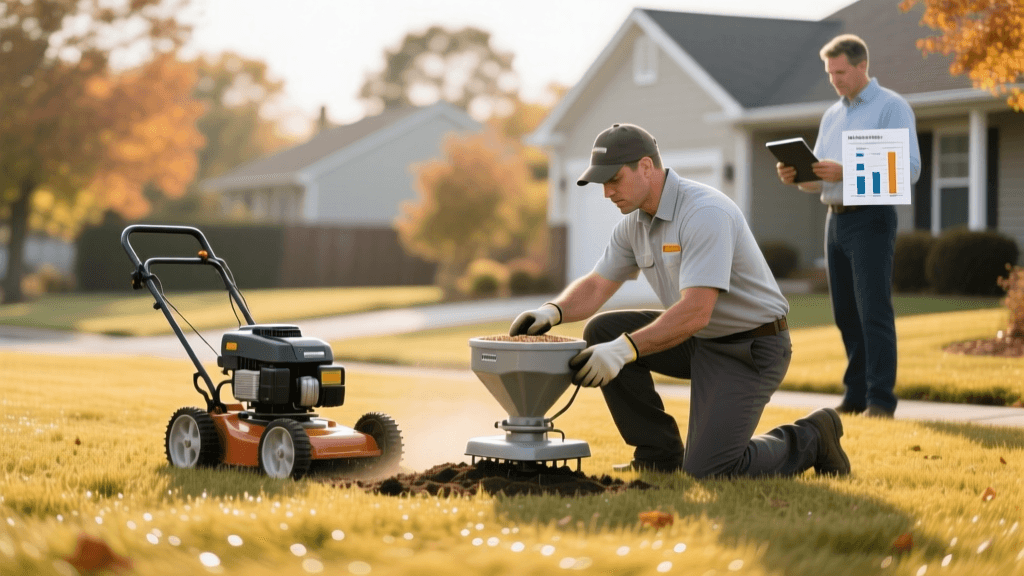
Lawn Aeration and Overseeding Costs: DIY vs Pro Guide
Introduction to Lawn Renovation Budgeting
As the seasons change and your lawn begins to show signs of wear, thinning, or soil compaction, two critical maintenance tasks come to the forefront: core aeration and overseeding. Together, these practices breathe new life into exhausted turf, promoting deeper root growth and thicker grass. However, for homeowners keeping a close eye on their landscaping budget, a major question always arises: should you rent the equipment and tackle the project yourself, or hire a professional lawn care service?
Understanding the true financial commitment of lawn renovation is essential before you commit to a weekend of backbreaking labor or sign a contract. This comprehensive cost and budgeting guide breaks down the exact expenses associated with both the DIY and professional routes, helping you make the most cost-effective decision for your specific yard size, grass type, and personal capacity.
The Science and ROI of Aeration and Overseeding
Before diving into the dollars and cents, it is vital to understand why this investment matters. Over time, foot traffic, heavy mowing equipment, and natural settling cause soil particles to compress. This compaction starves grassroots of oxygen, water, and essential nutrients. Core aeration solves this by physically removing small plugs of soil, creating pathways for vital resources to reach the root zone.
Overseeding immediately after aeration takes advantage of these newly opened channels. The University of Minnesota Extension notes that combining core aeration with overseeding dramatically improves seed-to-soil contact, which is the single most important factor in seed germination. By investing in this dual process, you are not just buying grass seed; you are investing in the long-term drought resistance, weed suppression, and curb appeal of your property, which yields a high return on investment when it comes time to sell your home.
Hiring a Professional: What to Expect and What It Costs
Hiring a licensed lawn care professional offers undeniable convenience. A professional crew will arrive with commercial-grade, stand-on aerators that are significantly more powerful and efficient than the walk-behind models available at local hardware stores. They also carry commercial-grade slit seeders or broadcast spreaders to ensure even seed distribution.
According to HomeGuide's landscaping cost reports, the national average cost for professional lawn aeration ranges from $125 to $300 for a standard residential lawn (up to 5,000 square feet). When you add professional overseeding to the package, the price increases due to the cost of high-quality commercial seed and labor.
Professional Pricing Breakdown by Lawn Size
- Small Lawn (under 5,000 sq. ft.): $150 - $350 (Aeration + Overseeding)
- Medium Lawn (5,000 - 10,000 sq. ft.): $300 - $600 (Aeration + Overseeding)
- Large Lawn (10,000+ sq. ft.): $500 - $900+ (Aeration + Overseeding)
Note: Prices fluctuate based on your geographic region, the terrain of your yard (steep slopes cost more), and the specific grass seed blend required for your climate.
The DIY Approach: A Complete Cost Breakdown
For the budget-conscious and physically capable homeowner, the DIY route can save money on labor. However, the costs of materials, equipment rentals, and hidden logistical expenses can add up quickly. Let us itemize the exact costs for a standard 5,000 square foot cool-season lawn (such as Tall Fescue or Kentucky Bluegrass).
1. Equipment Rental Costs
You will need to rent a walk-behind core aerator from a local equipment rental center or big-box hardware store. Rental fees typically range from $80 to $120 for a half-day (4 hours), and $120 to $160 for a full day. While a half-day might seem sufficient, moving a 300-pound aerator around a yard is exhausting, and a full-day rental is highly recommended to avoid rushing the job.
2. Grass Seed and Soil Amendments
Seed selection is where many DIYers accidentally inflate their budget or underperform. According to Pennington's seed coverage guidelines, overseeding an existing lawn requires roughly 3 to 5 pounds of Tall Fescue seed per 1,000 square feet. For a 5,000 sq. ft. lawn, you need 15 to 25 pounds of seed.
- Premium Tall Fescue Seed (25 lb bag): $70 - $110
- Starter Fertilizer (e.g., Scotts Starter Food for New Grass, covers 5k sq ft): $35 - $50
- Topdressing Compost (Optional but recommended, 1 cubic yard delivered): $40 - $80
3. The Hidden Costs of DIY
Many homeowners forget to factor in the logistical nightmares of DIY lawn care. Walk-behind core aerators are incredibly heavy and rarely fit inside a standard SUV or sedan.
- Gasoline for the Aerator: $15 - $20 (Rental equipment is usually returned with a full tank).
- Pickup Truck Rental: $40 - $70 (If you do not own a truck or trailer to transport the machine).
- Physical Toll: Operating a 300-lb vibrating machine on uneven terrain is a massive physical undertaking that often requires two people to load and unload safely.
Pro Budgeting Tip: Always call your local utility company (or dial 811 in the US) at least a few days before aerating to have your underground utility lines marked for free. Hitting a sprinkler head or gas line will instantly obliterate any money you saved by doing it yourself.
Detailed Cost Comparison: DIY vs. Professional Services
To visualize the financial difference, review the comparison table below based on a 5,000 square foot lawn renovation.
| Expense Category | DIY Route (Estimated) | Professional Route (Estimated) |
|---|---|---|
| Labor | $0 (Your own sweat equity) | Included in total service fee |
| Core Aerator Rental / Service | $140 (Full day rental) | $150 - $200 |
| Transportation (Truck/Gas) | $60 (Truck rental + gas) | $0 |
| Premium Grass Seed (25 lbs) | $90 | Included in total service fee |
| Starter Fertilizer | $40 | Included in total service fee |
| Total Estimated Cost | $330 | $300 - $450 |
Pro Tips for Stretching Your Lawn Care Budget
Whether you choose to DIY or hire a pro, there are several strategic ways to reduce your overall expenses without sacrificing the quality of your lawn renovation.
1. Coordinate with Neighbors for Bulk Discounts
Lawn care companies charge a premium for travel time and equipment setup. If you can convince three or four neighbors to schedule their aeration and overseeding on the same day, most professional companies will offer a 15% to 25% neighborhood discount. If you are DIYing, you can split the cost of a full-day aerator rental and the bulk price of a 50-lb bag of commercial grass seed.
2. Time Your Renovation Perfectly
Timing is everything for cool-season grasses. The optimal window is early fall (late August to mid-October). If you wait until late October or November, seed germination will fail due to dropping soil temperatures, effectively wasting your entire budget on seed and rental fees. For warm-season grasses (like Bermuda or Zoysia), schedule your aeration and overseeding for late spring or early summer when the grass is actively growing.
3. Invest in a Soil Test First
Do not guess what your lawn needs. A comprehensive soil test from a university extension office or a private lab costs between $20 and $30. This small upfront cost tells you exactly what pH adjustments (like lime or sulfur) and nutrient deficiencies exist. Spending $50 on the wrong fertilizer is a waste; spending $30 on a soil test ensures every dollar you spend on amendments actually works.
Making the Final Decision
When analyzing the numbers, the DIY route is not always the massive financial windfall homeowners expect. Once you factor in truck rentals, fuel, premium seed, and the physical labor of moving heavy machinery, the DIY cost often hovers just 10% to 20% below professional quotes.
Choose the DIY route if: You already own a pickup truck, have access to a trailer, possess the physical stamina to handle heavy equipment, and have a small, relatively flat yard under 4,000 square feet.
Hire a professional if: You have a large property, steep slopes, rocky soil, or simply value your weekend time. Professionals use commercial slit-seeders that slice into the soil and drop seed directly into the furrow, offering vastly superior germination rates compared to manually broadcasting seed over aerated plugs. Ultimately, a thicker, healthier lawn achieved through professional precision can save you hundreds of dollars in future weed control and water bills over the lifespan of your turf.