Lawn Care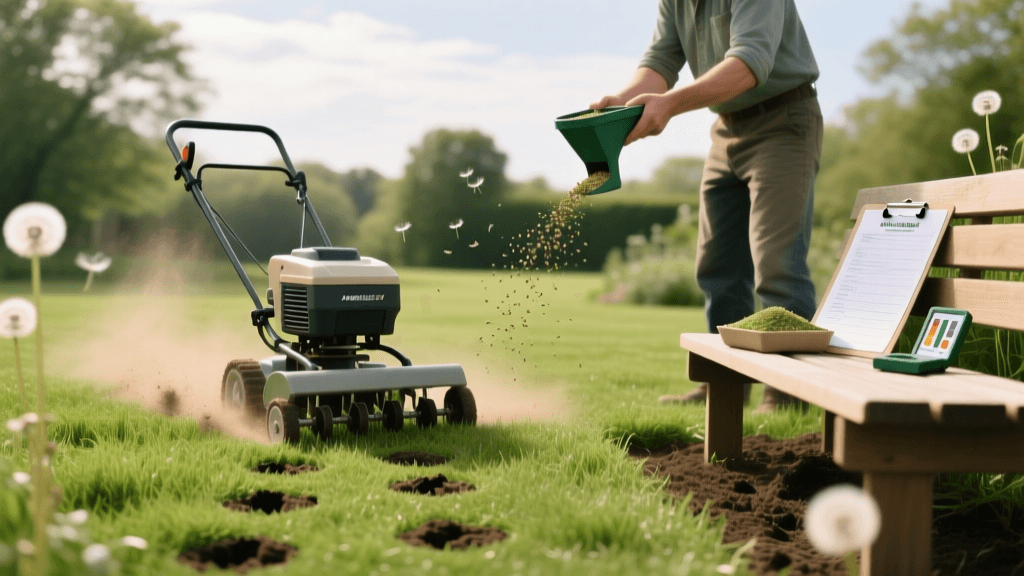
The Ultimate Guide to Lawn Aeration and Overseeding
Introduction to Lawn Aeration and Overseeding
Maintaining a lush, vibrant cool-season lawn requires more than just regular mowing and occasional watering. Over time, soil becomes compacted, and turfgrass naturally thins out due to environmental stress, disease, and heavy foot traffic. The most effective, scientifically backed method to rejuvenate an aging lawn is the combination of core aeration and overseeding. This practical how-to guide will walk you through the exact steps, timings, and product specifications needed to transform your yard into a dense, resilient carpet of grass.
The Science of Soil Compaction and Thatch
Before diving into the manual labor, it is crucial to understand why these two practices are almost always paired together. Soil compaction occurs when soil particles are pressed tightly together, reducing the pore space necessary for air, water, and nutrients to reach the root zone. According to Penn State Extension, compacted soil severely restricts root development, making your lawn highly susceptible to drought, heat stress, and weed invasion. Core aeration physically removes small plugs of soil (typically 2 to 3 inches deep), relieving this compaction. Overseeding immediately afterward allows new grass seed to fall directly into these aeration holes, ensuring perfect seed-to-soil contact, which is the most critical factor for successful germination.
Optimal Timing for Cool-Season Grasses
Timing is everything when dealing with cool-season grasses like Kentucky Bluegrass, Tall Fescue, and Perennial Ryegrass. The absolute best time to aerate and overseed is in the early fall, specifically between late August and mid-October, depending on your hardiness zone. During this window, soil temperatures are still warm enough to encourage rapid seed germination, while cooler ambient air temperatures reduce heat stress on young seedlings. Furthermore, fall weed competition is significantly lower than in the spring. The University of Minnesota Extension strongly advises against spring overseeding for cool-season lawns, as pre-emergent crabgrass preventers will kill new grass seed, and the impending summer heat will likely wipe out immature root systems.
Essential Tools and Materials
To execute this project properly, gather the following equipment and materials:
- Core Aerator: Rent a gas-powered walk-behind core aerator from a local hardware store. Avoid spike aerators, as they can actually worsen compaction.
- Broadcast Spreader: A high-quality drop or broadcast spreader for even seed and fertilizer distribution.
- Grass Seed: Certified weed-free cool-season seed mix appropriate for your sun/shade conditions.
- Starter Fertilizer: A fertilizer high in phosphorus (e.g., 10-18-10 NPK ratio) to promote root growth.
- Lawn Rake: A stiff-tined rake or thatch rake for preparing the soil surface.
- Compost or Topsoil: Optional, for topdressing bare areas.
Step 1: Site Preparation and Soil Testing
Begin by mowing your lawn shorter than usual, lowering your mower deck to about 1.5 to 2 inches. This reduces the canopy, allowing the new seed to reach the soil and receive adequate sunlight. Bag the clippings to prevent them from smothering the new seed. Next, water your lawn deeply 24 to 48 hours before aerating. The soil should be moist but not muddy; if it is too dry, the aerator tines will not penetrate deeply enough, and if it is too wet, the machine will clog. Finally, mark all shallow sprinkler heads, invisible dog fences, and utility lines with flags to avoid catastrophic damage to your irrigation system.
Step 2: Core Aeration Execution
Run the core aerator over your entire lawn in at least two different directions (a cross-hatch pattern) to ensure maximum soil disruption. Focus heavily on high-traffic areas, such as pathways and play zones, making three or four passes over these compacted spots. Leave the extracted soil plugs on the lawn. They will break down naturally over the next two to three weeks, returning beneficial microorganisms and topsoil to the surface. Do not rake them up, as removing them defeats part of the biological benefit of the aeration process.
Step 3: Overseeding Techniques
Once aeration is complete, immediately apply your grass seed using a broadcast spreader. To ensure even coverage, split your total seed amount in half. Apply the first half walking in a north-south direction, and the second half walking in an east-west direction. Pay special attention to the aeration holes, as seeds trapped inside these moist, protected cavities have the highest germination rates.
Cool-Season Grass Seeding Rates
| Grass Type | Overseeding Rate (lbs per 1,000 sq ft) | Full Renovation Rate (lbs per 1,000 sq ft) | Typical Germination Time |
|---|---|---|---|
| Tall Fescue | 4 - 6 lbs | 8 - 10 lbs | 7 - 14 days |
| Kentucky Bluegrass | 1.5 - 2.5 lbs | 3 - 4 lbs | 14 - 28 days |
| Perennial Ryegrass | 3 - 5 lbs | 6 - 8 lbs | 5 - 10 days |
Step 4: Starter Fertilizer and Topdressing
After seeding, apply a high-quality starter fertilizer. New seedlings require readily available phosphorus to establish a robust root system before winter sets in. Look for an NPK ratio where the middle number (Phosphorus) is elevated, such as 10-18-10 or 18-24-12. Note that many states restrict phosphorus use on established lawns to prevent waterway runoff, but an exception is almost universally made for newly seeded or overseeded lawns. If you have severely bare patches, apply a thin layer (about 1/4 inch) of screened compost or topsoil over the seed to retain moisture and protect against birds.
Pro Tip: Never use standard "weed and feed" products or pre-emergent herbicides on a newly overseeded lawn. These chemicals cannot distinguish between weed seeds and your expensive grass seed, and they will inhibit germination entirely.
Step 5: The 28-Day Watering Schedule
Watering is the single most critical factor in the success or failure of your overseeding project. Grass seed must remain consistently moist until it germinates and establishes a secondary root system. Letting the seed dry out even once can kill the fragile sprout.
| Timeframe | Watering Frequency | Duration per Session | Goal |
|---|---|---|---|
| Days 1 - 14 | 2 to 3 times daily | 10 - 15 minutes | Keep top 1 inch of soil constantly moist. |
| Days 15 - 21 | 1 time daily | 20 - 30 minutes | Encourage deeper root growth as seedlings mature. |
| Days 22 - 28+ | Every 2 to 3 days | 45 - 60 minutes | Transition to standard deep, infrequent irrigation. |
Cost Analysis: DIY vs. Professional Services
Deciding whether to tackle this project yourself or hire a professional depends on your budget, physical capability, and access to equipment. Below is a general cost breakdown for an average 5,000 square foot lawn.
- DIY Cost: Renting a core aerator typically costs $70 to $100 per day. High-quality grass seed will cost around $60 to $90 for 25 lbs, and starter fertilizer will add another $40. Total DIY cost: $170 - $230.
- Professional Cost: Lawn care companies generally charge between $0.08 and $0.15 per square foot for a combined aeration and overseeding service. Total Professional cost: $400 - $750.
While the DIY route saves money, it requires significant physical labor. Commercial aerators are heavy, difficult to transport in standard vehicles, and challenging to maneuver around tight landscaping corners.
Common Mistakes to Avoid
Even with the best intentions, homeowners often make critical errors that ruin their fall lawn renovation. Avoid using cheap, unverified seed from big-box stores, which often contains high percentages of weed seeds and annual ryegrass filler. Always read the seed tag and ensure the weed seed percentage is listed as 0.0%. Additionally, do not mow the lawn too soon after germination. Wait until the new grass reaches at least 3.5 inches tall, and ensure your mower blade is razor-sharp to prevent tearing the delicate new blades out of the soil. Finally, avoid heavy foot traffic on the newly seeded areas for at least four weeks to prevent soil re-compaction and seedling damage.
Conclusion
Aerating and overseeding your cool-season lawn is an investment of time and sweat equity that yields massive dividends. By relieving soil compaction, introducing modern, disease-resistant turfgrass cultivars, and following a strict watering regimen, you can completely transform a thin, weedy yard into a thick, luxurious landscape. Stick to the early fall timeline, use the correct seeding rates, and be patient as your new lawn establishes itself before the first winter freeze.