Lawn Care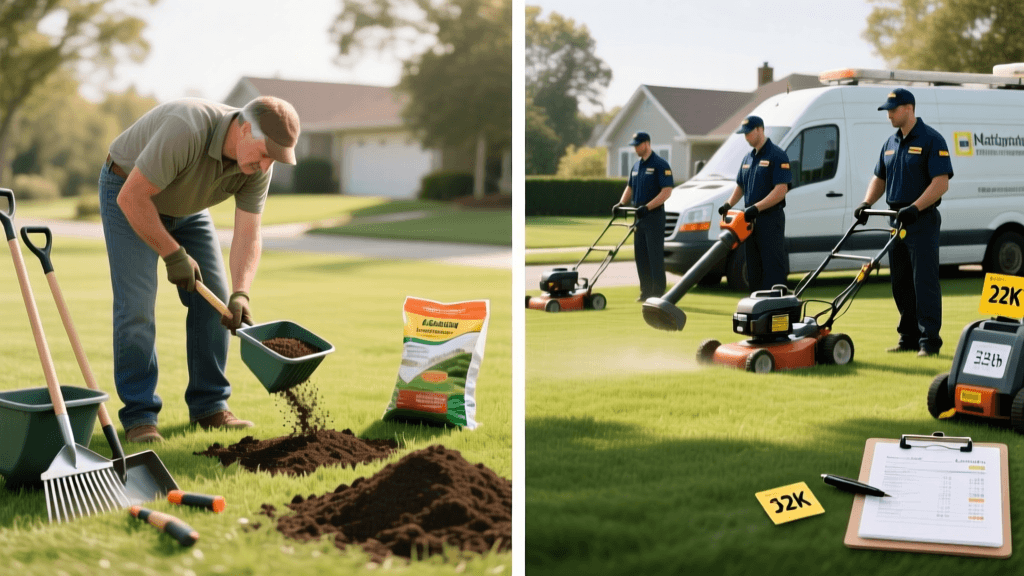
The Ultimate Lawn Care Budget: DIY Costs vs Hiring Pros
The True Cost of Lawn Care: DIY vs. Professional Services
A lush, vibrant lawn is the crown jewel of any property, boosting curb appeal and providing a beautiful outdoor space for family and friends. However, achieving that pristine, golf-course look requires more than just a weekend sprinkle of water. It demands a strategic, well-funded lawn care plan. Whether you are a dedicated weekend warrior or a busy homeowner considering hiring a professional landscaping crew, understanding the financial commitment is crucial.
Budgeting for lawn care can be surprisingly complex. Costs fluctuate based on your region, grass type (cool-season vs. warm-season), soil health, and the total square footage of your turf. In this comprehensive cost and budgeting guide, we will break down the exact expenses associated with the Do-It-Yourself (DIY) approach, compare them to professional service pricing, and reveal the hidden costs that often catch homeowners off guard.
Breaking Down the DIY Lawn Care Budget
For the hands-on homeowner, the DIY route offers significant financial savings on labor, but it requires an upfront investment in equipment and a keen understanding of turfgrass science. To provide an accurate budget, we will base our calculations on a standard suburban lawn size of 5,000 square feet.
Equipment and Capital Expenses
Before you can apply a single granule of fertilizer, you need the right tools. If you are starting from scratch, equipment costs will dominate your first-year budget. A high-quality, self-propelled gas push mower (like the Honda HRX series or Toro Recycler) will cost between $400 and $600. If you opt for a battery-powered system (such as EGO or Ryobi), expect to spend $500 to $800 for the kit, which includes the batteries and charger.
Beyond the mower, you will need a broadcast spreader for fertilizer and seed ($50 to $100), a hose-end sprayer for liquid weed control ($20), and a core aerator. Because core aerators are expensive to buy and bulky to store, most DIYers rent them from local hardware stores for about $80 to $100 for a four-hour window, typically done once a year in the early fall.
Annual Consumables: Seed, Fertilizer, and Chemicals
The recurring costs of DIY lawn care revolve around consumables. A standard four-step fertilizer program is the backbone of turf nutrition. Products like Scotts Turf Builder or organic alternatives like Milorganite (a slow-release nitrogen fertilizer) cost roughly $30 to $40 per bag, covering 5,000 sq. ft. Over four seasonal applications, you are looking at $120 to $160 annually.
Weed control is another major line item. A pre-emergent herbicide (such as Scotts Halts or a professional-grade Prodiamine) applied in early spring prevents crabgrass and costs about $30 to $50. For post-emergent broadleaf weeds, a concentrate like Ortho WeedClear or a 2,4-D based solution will cost around $25. Finally, overseeding thin patches with a premium tall fescue blend, such as Jonathan Green Black Beauty, will add $40 to $60 to your fall budget.
| Category | Item / Service | Estimated Cost |
|---|---|---|
| Equipment (Amortized) | Mower, Spreader, Sprayer | $75 / year |
| Fertilizer | 4-Step Program (e.g., Scotts/Milorganite) | $140 |
| Weed Control | Pre-emergent & Post-emergent Herbicides | $65 |
| Seed | Overseeding (Jonathan Green Black Beauty) | $50 |
| Aeration | Annual Core Aerator Rental | $90 |
| Water / Irrigation | Municipal Water Usage (Summer Months) | $150 |
| Total Estimated DIY Annual Cost | $570 | |
The Cost of Professional Lawn Care Services
If your schedule is packed, or you simply prefer to leave the heavy lifting, chemical handling, and equipment maintenance to the experts, hiring a professional lawn care service is the way to go. According to industry cost data aggregated by HomeGuide, professional lawn mowing services typically charge between $40 and $70 per visit for a standard-sized lot. Assuming a 30-week mowing season, weekly maintenance alone will cost between $1,200 and $2,100 annually.
However, mowing is only half the battle. Professional fertilization and weed control programs (offered by national chains like TruGreen or local boutique turf managers) generally charge per application. A standard 5,000 sq. ft. lawn will cost between $50 and $75 per visit for a 5-to-6 visit annual program, totaling $250 to $450. Specialized services, such as professional core aeration and overseeding, carry a premium, usually ranging from $150 to $250 due to the labor intensity and commercial-grade seed used.
| Service | Frequency | Estimated Annual Cost |
|---|---|---|
| Weekly Mowing & Edging | 30 visits / year | $1,500 |
| Fertilization & Weed Control | 6 visits / year | $350 |
| Core Aeration & Overseeding | 1 visit / year | $200 |
| Grub Control / Preventatives | 1 visit / year | $75 |
| Total Estimated Professional Annual Cost | $2,125 | |
Hidden Costs: Time, Fuel, and Storage
When calculating your lawn care budget, it is remarkably easy to overlook the hidden expenses of the DIY route. The most significant hidden cost is your time. Maintaining a 5,000 sq. ft. lawn DIY style requires roughly 2 to 3 hours per week during the peak growing season for mowing, edging, trimming, and blowing. Over a 30-week season, that is 60 to 90 hours of manual labor. If you value your weekend leisure time highly, the 'sweat equity' of DIY might actually cost you more in lost personal time than hiring a pro.
Additionally, gas-powered equipment requires ongoing maintenance. You must budget for spark plugs, air filters, oil changes, and seasonal winterization, which can add $50 to $100 to your annual equipment budget. Storage is another factor; if you live in an urban area or an HOA with strict shed restrictions, finding climate-controlled space to store a mower, bags of fertilizer, and fuel cans can be a logistical and financial headache.
The Hybrid Approach: Optimizing Your Lawn Care Budget
You do not have to choose strictly between 100% DIY and 100% professional. Many savvy homeowners adopt a hybrid approach to optimize their lawn care budget. The most common hybrid strategy involves hiring a local landscaping crew for the weekly mowing, edging, and blowing (saving you 2 hours every weekend), while you take over the scientific aspects of turf management.
By purchasing your own fertilizer, pre-emergent, and grass seed, you save hundreds of dollars on professional chemical application markups. Furthermore, applying your own treatments allows you to follow the specific recommendations of your local university extension office. For instance, the University of Minnesota Extension heavily emphasizes the importance of soil testing before applying phosphorus-heavy starter fertilizers, a level of customized care that budget-tier professional services often skip in favor of blanket applications.
Expert Tips for Stretching Your Lawn Care Dollar
Whether you are writing checks to a landscaping company or pushing a spreader yourself, these actionable tips will help you maximize your lawn care budget:
- Test Your Soil First: Never guess your soil's pH or nutrient deficiencies. A $15 to $30 soil test from a local university extension can save you from wasting hundreds of dollars on unnecessary lime or fertilizer applications.
- Invest in a Smart Irrigation Controller: Upgrading to an EPA WaterSense labeled smart controller (like a Rachio or Orbit B-hyve) uses local weather data to automatically adjust watering schedules. This prevents overwatering and can reduce your summer water bill by up to 30%.
- Buy Commercial-Grade Chemicals: Instead of buying small, diluted bottles of weed killer at big-box stores, purchase concentrated commercial herbicides (like Tenacity or Prodiamine) from specialized turf suppliers. A single $60 bottle of concentrate can treat over 10,000 square feet, making the cost-per-application pennies compared to retail options.
- Mow High and Mulch: Set your mower deck to 3.5 or 4 inches. Taller grass shades the soil, retaining moisture and naturally choking out weed seeds. Furthermore, leaving your clippings on the lawn (mulching) returns up to 25% of the nitrogen your grass needs back into the soil, effectively acting as a free fertilizer application.
When handling concentrated herbicides and synthetic fertilizers, always prioritize safety and environmental stewardship. The Environmental Protection Agency (EPA) strongly advises reading all product labels, wearing appropriate personal protective equipment (PPE), and avoiding applications right before heavy rainstorms to prevent chemical runoff into local waterways.
Final Thoughts on Your Lawn Care Budget
Ultimately, the decision between DIY and professional lawn care comes down to a balance of your available budget, your physical ability, and your free time. The DIY route will save you roughly $1,500 a year on a standard lot, but it demands physical labor, weekend dedication, and a willingness to learn turfgrass science. The professional route offers a hands-off, manicured result but commands a premium price. By auditing your specific needs, leveraging hybrid service models, and making smart purchasing decisions, you can achieve a breathtaking lawn without letting your landscaping costs overgrow your bank account.