Lawn Care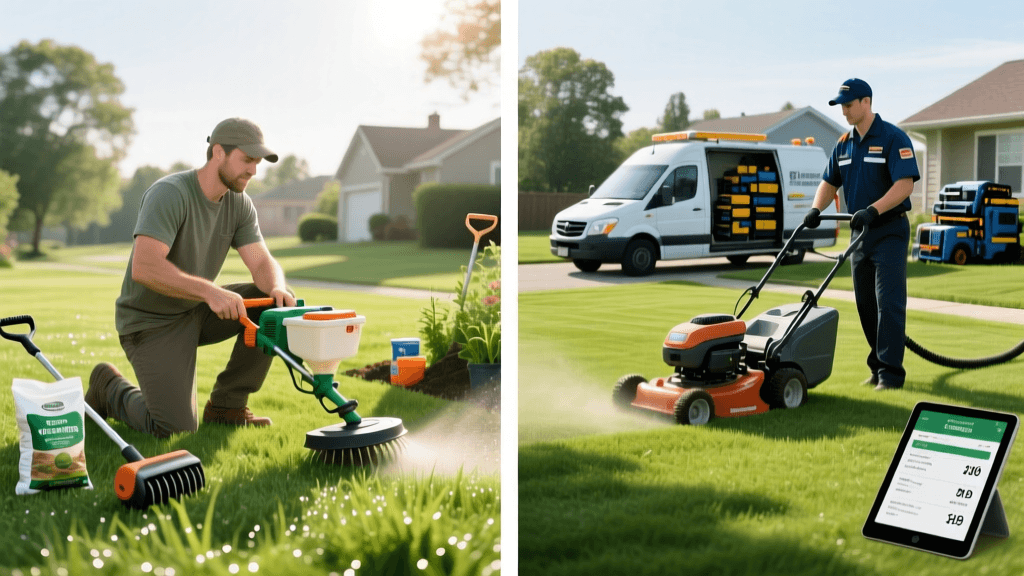
Lawn Care Budget Guide: DIY vs Professional Costs
Introduction to Lawn Care Budgeting
Maintaining a pristine, golf-course-quality lawn is a dream for many homeowners, but it often comes with a price tag that can quickly derail your household budget. Whether you are managing a small urban yard or a sprawling suburban estate, understanding the financial commitment of turf management is crucial. In this comprehensive cost and budgeting guide, we break down the expenses associated with lawn maintenance, comparing the do-it-yourself (DIY) approach against hiring professional landscaping services.
The True Cost of Professional Lawn Care Services
Hiring a professional lawn care company offers undeniable convenience. You get a perfectly manicured yard without breaking a sweat, but this luxury comes at a premium. According to Angi's lawn care cost guide, homeowners can expect to pay anywhere from $100 to $300 per month for comprehensive lawn maintenance, depending on the size of the yard and the services included.
Routine Mowing and Edging
For a standard half-acre lot, weekly mowing, edging, and blowing during the growing season (roughly 30 weeks a year) typically costs between $45 and $85 per visit. Over the course of a year, mowing alone can consume $1,350 to $2,550 of your landscaping budget.
Fertilization and Weed Control Programs
Professional agronomy programs usually involve 4 to 6 annual applications of specialized products like Lesco Professional Fertilizer or targeted pre-emergent herbicides. These programs generally cost $50 to $100 per application, totaling $250 to $600 annually. The benefit here is that professionals have access to commercial-grade chemicals that are often more effective and longer-lasting than consumer-grade alternatives found at big-box stores.
Core Aeration and Overseeding
Fall aeration and overseeding are vital for cool-season grasses like Kentucky Bluegrass and Tall Fescue. Professionals charge between $150 and $350 for this service on a half-acre lawn, which includes the labor, heavy equipment, and high-quality seed.
DIY Lawn Care: Equipment, Materials, and Hidden Costs
The DIY route is often championed as the ultimate money-saver, but many homeowners fail to account for the upfront capital required to purchase equipment and the hidden ongoing costs of fuel, water, and material waste.
Upfront Equipment Investments
To maintain a lawn properly, you need more than just a mower. A reliable push mower or self-propelled mower (like a Honda or Toro) will cost between $350 and $800. Add in a broadcast spreader ($50 to $120), a hose-end sprayer ($30), and basic hand tools, and your initial equipment outlay can easily exceed $1,000. Furthermore, renting a core aerator from a local hardware store typically costs $80 to $100 per day, which narrows the savings gap between DIY and professional aeration services.
Ongoing Material and Utility Costs
Consumer-grade fertilizers, such as Scotts Turf Builder or Milorganite, cost roughly $30 to $60 per bag, covering about 5,000 square feet. For a half-acre lawn (approx. 10,000 square feet of actual turf), you will need two bags per application. Multiply this by four seasonal applications, and you are spending $240 to $480 annually on fertilizer alone. Weed control chemicals, grass seed for patching, and gasoline for your mower will add another $150 to $300 to your annual ledger.
Additionally, irrigation is a massive, often overlooked expense. The EPA WaterSense program notes that the average American family uses more than 300 gallons of water per day at home, with roughly 30% of that dedicated to outdoor use. Inefficient watering practices can spike your summer utility bills by hundreds of dollars.
Cost Comparison Table: DIY vs. Professional Lawn Care
To help you visualize the financial differences, below is an estimated annual cost breakdown for a standard half-acre lawn (approximately 10,000 square feet of turf area) in a temperate climate zone.
| Maintenance Task | Estimated DIY Cost (Annual) | Estimated Pro Cost (Annual) | Primary Cost Factors |
|---|---|---|---|
| Weekly Mowing & Edging | $150 (Fuel & Maintenance) | $1,500 - $2,200 | Labor, equipment wear, fuel |
| Fertilization (4 Apps) | $240 - $480 | $300 - $500 | Product type, square footage |
| Weed Control | $80 - $150 | $150 - $300 | Chemical grade, spot vs. broadcast |
| Core Aeration | $90 (1-Day Rental) | $150 - $300 | Equipment rental vs. labor |
| Irrigation / Watering | $300 - $600 (Water Bill) | $300 - $600 (Water Bill) | Local water rates, efficiency |
| Total Estimated Annual Cost | $860 - $1,470 | $2,400 - $3,900 | Time value not included in DIY |
Pro Budgeting Tip: The DIY column above does not factor in the initial purchase of a lawn mower and spreader, nor does it account for the 40 to 60 hours of manual labor you will invest over the year. Always calculate your personal hourly rate to determine if DIY is truly the most cost-effective choice for your lifestyle.
5 Budget-Friendly Lawn Care Strategies to Save Money
Whether you choose to hire a crew or tackle the yard work yourself, there are several agronomic strategies you can implement to reduce your overall landscaping expenditures.
1. Conduct a Soil Test Before Fertilizing
Blindly applying fertilizer is a quick way to burn money and damage your turf. A comprehensive soil test from a local university extension office costs between $15 and $30. This test will reveal your soil's exact pH and nutrient deficiencies, allowing you to purchase only the specific amendments your lawn actually needs, rather than wasting money on expensive, all-in-one synthetic blends.
2. Practice Grasscycling
According to the University of Minnesota Extension, leaving grass clippings on the lawn after mowing—a practice known as grasscycling—can return up to 25% of the nitrogen your lawn needs back into the soil. This natural recycling process reduces your reliance on synthetic fertilizers and saves you the time and fuel required to bag and dispose of clippings.
3. Optimize Your Irrigation Schedule
Water deeply and infrequently to encourage deep root growth. Aim for 1 to 1.5 inches of water per week, including rainfall. Investing $50 in a smart Wi-Fi irrigation controller or a simple rain sensor can prevent your sprinklers from running during rainstorms, potentially saving you 15% to 20% on your summer water bills.
4. Spot-Treat Weeds Instead of Broadcasting
Instead of blanketing your entire lawn with expensive pre-emergent and post-emergent herbicides, use a targeted approach. Keep a pump sprayer filled with a selective broadleaf weed killer (like Trimec) and only treat the areas where dandelions and clover are actively growing. This targeted method drastically reduces chemical costs and minimizes environmental runoff.
5. Time Your Fertilization Perfectly
Applying fertilizer at the wrong time of year is a common budgeting mistake. For cool-season grasses, the most critical application is in early fall (September), when the grass is actively storing nutrients for the winter. Skip the expensive early-spring "weed and feed" products; instead, focus your budget on fall root-building formulations and late-spring growth support.
When to Hire a Professional vs. When to DIY
Deciding where to allocate your budget requires an honest assessment of your time, physical ability, and lawn care knowledge.
- Choose DIY if: You have a small lawn (under 1/4 acre), you enjoy outdoor physical activity, you have secure storage for equipment, and you are willing to learn about local turfgrass science.
- Hire a Professional if: You have a large property (over 1/2 acre), you struggle with consistent scheduling, your lawn suffers from severe disease or invasive weeds (like nutsedge or Bermuda grass in a Fescue lawn), or you simply value your weekend free time over the cost of labor.
A popular middle-ground approach is the "hybrid budget." Many homeowners hire professionals for the heavy, technical lifting—such as liquid weed control applications and core aeration—while handling the weekly mowing and daily irrigation themselves. This strategy optimizes your budget by paying experts only for tasks that require commercial equipment and specialized agronomic licensing.
Final Thoughts on Landscaping Budgets
Creating a realistic lawn care budget is about more than just finding the cheapest fertilizer on the shelf. It requires a holistic view of your landscape's needs, your local climate, and the value of your own time. By understanding the true costs of professional services versus the hidden expenses of the DIY route, you can make informed financial decisions that keep your turf thick, green, and vibrant without causing your household budget to wither. Start with a soil test, invest in efficient irrigation, and choose the maintenance path that best aligns with your financial goals and lifestyle.