Lawn Care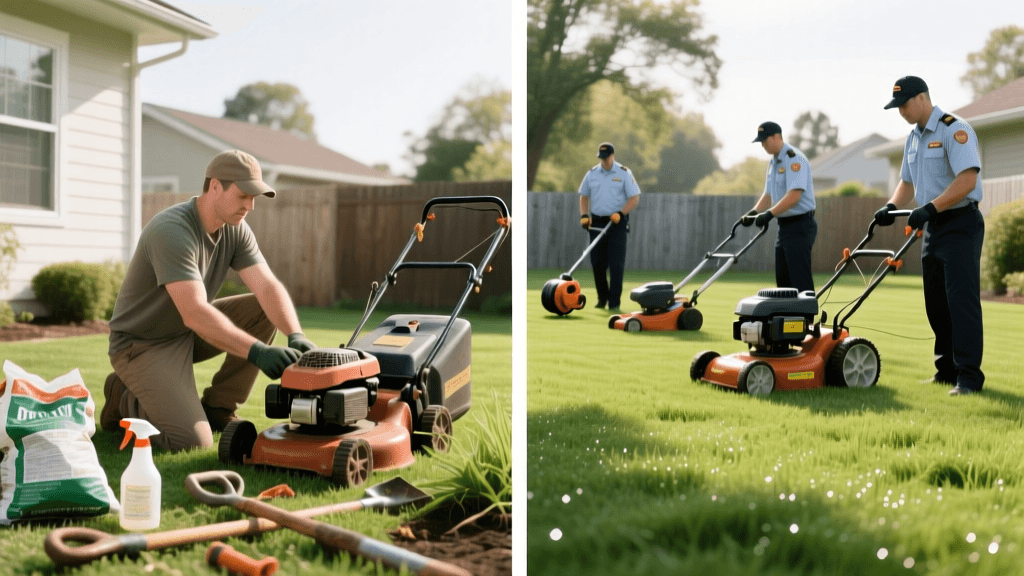
The True Cost of Lawn Care: DIY Budget vs Hiring Pros
Introduction to Annual Lawn Care Budgeting
When the first signs of spring appear, homeowners face a familiar dilemma: should you tackle lawn maintenance yourself, or is it more cost-effective to hire a professional landscaping service? Creating an accurate annual lawn care budget requires looking beyond the immediate price tag of grass seed or a weekend mowing service. According to industry data compiled by Forbes Home Improvement, the national average for professional lawn care ranges from $30 to $80 per visit, but the total annual expenditure depends heavily on your property size, regional climate, and the specific treatments your soil requires.
Whether you are nurturing a cool-season fescue lawn in the Northeast or a warm-season Bermuda grass yard in the South, understanding the financial commitment is crucial. This comprehensive cost and budgeting guide breaks down the exact expenses of the DIY route versus hiring professional contractors, helping you make an informed decision that aligns with your financial goals and weekend availability.
The DIY Lawn Care Cost Breakdown
Choosing the do-it-yourself route is often perceived as the cheaper alternative. While you do save on labor costs, the capital expenditure for equipment and the ongoing cost of premium materials can add up quickly. Let us break down the financial realities of maintaining a standard 5,000-square-foot lawn on your own.
Capital Equipment Expenses
To maintain a lawn properly, you need reliable equipment. Purchasing mid-grade, residential-grade tools will require a significant upfront investment. A quality 21-inch push mower or entry-level riding mower will cost between $350 and $1,500. For a standard suburban lot, a high-end push mower or self-propelled model costs around $450. You will also need a string trimmer ($150), a leaf blower ($120), and an edge trimmer ($100). Additionally, a broadcast spreader for fertilizer and seed is essential, costing roughly $80. In total, expect to spend between $900 and $1,200 in your first year just to assemble a basic, reliable arsenal of lawn care tools. Over a five-year period, factoring in minor repairs, spark plugs, oil changes, and replacement trimmer line, you should budget an additional $150 annually for equipment maintenance.
Consumables: Fertilizer, Seed, and Weed Control
The recurring costs of DIY lawn care lie in the consumables. A robust fertilization schedule requires four to five applications per year. A premium slow-release granular fertilizer, such as Scotts Turf Builder or a natural alternative like Milorganite, costs approximately $40 to $60 per bag, covering up to 5,000 square feet. Over the course of a year, fertilizer alone will cost between $200 and $300.
Weed control is another necessary expense. A quality pre-emergent herbicide applied in early spring to prevent crabgrass, combined with a selective post-emergent spray for broadleaf weeds like dandelion and clover, will add about $75 to your annual budget. Furthermore, overseeding thin patches in the fall with premium tall fescue or Kentucky bluegrass seed will cost around $50 to $80, depending on the seed purity and coating.
Irrigation and Water Utility Costs
Water is the lifeblood of any lawn, but it is also a major line item in your budget. Turfgrass generally requires about one inch of water per week during the active growing season. According to the Environmental Protection Agency (EPA), outdoor water use accounts for nearly 30% of total residential water consumption, which translates to thousands of gallons and a noticeable spike in your monthly utility bills. For a 5,000-square-foot lawn, applying one inch of water requires roughly 3,100 gallons. Depending on your local municipal water rates, this can cost anywhere from $15 to $40 per week during peak summer months, adding $250 to $600 to your annual lawn care budget.
Professional Lawn Care Service Costs
Hiring a professional landscaping company shifts the burden of labor, equipment maintenance, and chemical application to the experts. Professional services typically offer tiered packages, allowing you to customize your budget based on your lawn's specific needs.
Routine Mowing and Basic Maintenance
If you only want to outsource the physical labor of mowing, edging, and blowing, you will be looking at a per-visit fee. Data from HomeGuide indicates that weekly mowing services for a standard-sized yard average between $45 and $85 per visit. Assuming a 30-week mowing season, you can expect to pay between $1,350 and $2,550 annually just for basic cutting and trimming. This fee generally does not include leaf removal in the autumn or specialized soil treatments.
Comprehensive Fertilization and Weed Control Programs
Most homeowners who hire pros opt for a full-service agronomic program. These programs typically include five to seven scheduled visits per year, encompassing pre-emergent weed prevention, broadleaf weed control, and balanced, slow-release fertilizer applications. Professional-grade chemicals are often more effective and longer-lasting than retail consumer products. A comprehensive treatment program for a 5,000-square-foot lawn generally costs between $350 and $600 per year. If you add core aeration and overseeding in the fall—a vital practice for relieving soil compaction and thickening the turf—expect to pay an additional $150 to $250 as a one-time seasonal fee.
Cost Comparison Table: DIY vs. Professional
To visualize the financial impact of your decision, review the estimated annual costs for a 5,000-square-foot lawn below. Note that the DIY first-year cost is significantly higher due to equipment purchases.
| Service / Item | DIY Annual Cost (Years 2+) | Professional Annual Cost |
|---|---|---|
| Equipment Purchase & Maintenance | $150 (Maintenance only) | $0 (Included in service) |
| Routine Mowing & Edging (30 weeks) | $0 (Your labor) | $1,350 - $2,550 |
| Fertilizer & Weed Control | $275 - $380 | $350 - $600 |
| Core Aeration & Overseeding | $130 (Machine rental + seed) | $150 - $250 |
| Water / Irrigation | $250 - $600 | $250 - $600 |
| Estimated Total Annual Cost | $805 - $1,260 | $2,100 - $4,000 |
The Hidden Cost of Time and Labor
While the DIY route undeniably saves you thousands of dollars in labor costs, it requires a significant investment of your personal time. Mowing, trimming, and blowing a standard lawn takes the average homeowner about 90 minutes per week. Over a 30-week season, that equates to 45 hours of physical labor in the hot sun. When you factor in the time spent researching soil pH levels, calibrating your broadcast spreader, waiting for the hardware store to open on Saturday mornings, and performing seasonal equipment winterization, the true cost of DIY lawn care becomes much higher.
If you value your weekend free time, or if you have physical limitations that make pushing a heavy mower or pulling a string trimmer difficult, the premium you pay for professional services is often justified by the convenience and guaranteed results.
Smart Budgeting Strategies for Homeowners
Regardless of whether you choose to DIY or hire a pro, there are several actionable strategies to keep your lawn care budget in check without sacrificing the health of your turf.
- Conduct a Soil Test: Before spending hundreds of dollars on blind fertilizer applications, purchase a $15 to $25 soil test kit from your local university extension office. This will tell you exactly which nutrients your lawn lacks, preventing you from wasting money on unnecessary chemicals.
- Mulch Your Clippings: Instead of bagging your grass clippings, use a mulching blade on your mower. Leaving clippings on the lawn returns valuable nitrogen and organic matter back to the soil, which can reduce your annual fertilizer requirements by up to 25%.
- Optimize Your Irrigation: Water deeply and infrequently to encourage deep root growth. Install a smart irrigation controller or a simple rain sensor to prevent your sprinklers from running during or immediately after a rainstorm, drastically reducing your water bill.
- Negotiate a Multi-Service Contract: If you are hiring a professional, bundle your services. Companies are frequently willing to offer a 10% to 15% discount if you sign an annual contract that includes mowing, fertilization, aeration, and fall leaf removal.
- Buy in Bulk: For DIYers, purchase grass seed and bulk fertilizer from local agricultural cooperatives or landscape supply yards rather than big-box retail stores. The cost per pound is often significantly lower, and the seed quality is generally superior and better adapted to your specific microclimate.
Conclusion: Choosing the Right Path for Your Budget
Ultimately, budgeting for lawn care is a deeply personal decision that balances your available capital against your available free time. The DIY approach demands a higher upfront capital investment for equipment and a year-round commitment of weekend labor, but it yields substantial long-term financial savings. Conversely, hiring a professional landscaping service offers unparalleled convenience, access to commercial-grade agronomic products, and a flawless finish, albeit at a premium annual cost. By evaluating the breakdown provided in this guide and implementing smart, resource-saving maintenance habits, you can achieve a lush, envy-inducing lawn that perfectly aligns with your household budget.