Lawn Care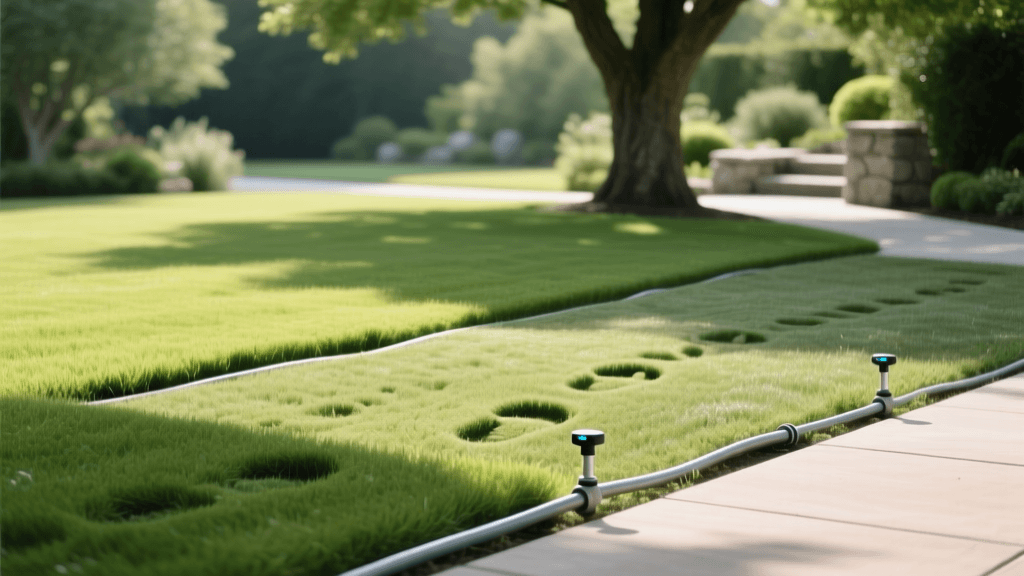
Lawn Zoning: Design Ideas for Efficient Irrigation & Care
When planning a new lawn or renovating an existing one, treating your entire yard as a single, uniform entity is a recipe for wasted water, uneven growth, and endless frustration. Enter 'lawn zoning'—a strategic design approach that divides your landscape into distinct management zones based on microclimates, usage patterns, and water requirements. By integrating hydrozoning and functional planning, you can drastically reduce your outdoor water use, which the EPA WaterSense program notes can account for up to 30% of total household water consumption. Planning your lawn with intention not only saves money but also creates a healthier, more resilient turfgrass ecosystem.
The Core Principles of Lawn Zoning
Hydrozoning
Hydrozoning is the practice of grouping plants and turf areas with similar water requirements together. In a traditional lawn, a single sprinkler zone might cover a fully sun-baked southern slope and a deeply shaded northern corner. The result? The sunny area dries out and turns brown, while the shaded area develops fungal diseases from overwatering. By separating these into distinct hydrozones, you can apply water precisely where and when it is needed, eliminating the guesswork from your irrigation schedule.
Functional Zoning
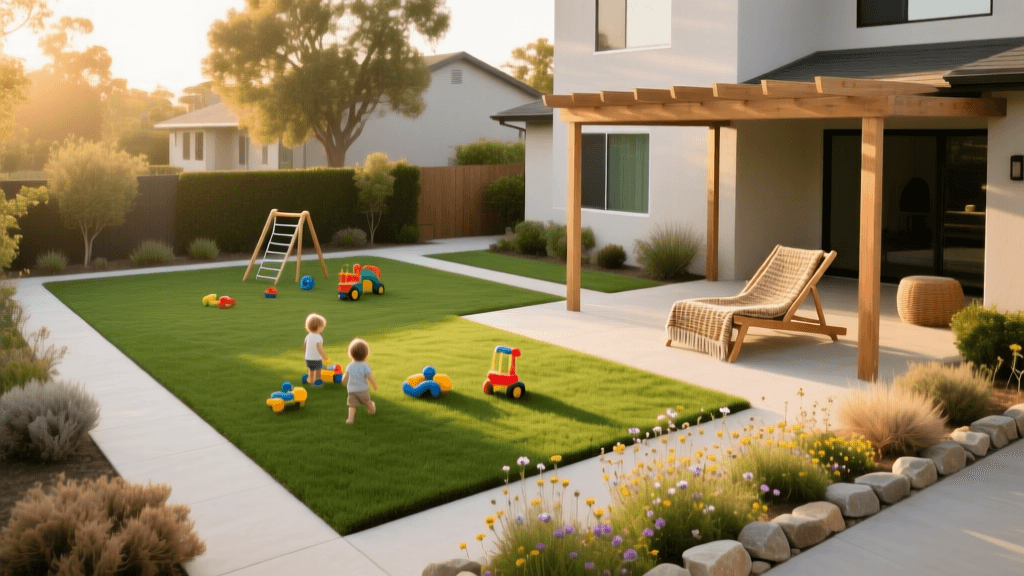
Not all grass is meant to be walked on. Functional zoning categorizes your yard based on human and pet activity. High-traffic zones (like play areas for children or dogs) require durable, wear-resistant grass varieties and robust soil aeration schedules. Ornamental zones, which are purely visual, can utilize more delicate, fine-bladed grasses or even low-water groundcovers that require minimal mowing and fertilization.
Microclimate Mapping
Your yard is a mosaic of microclimates. Structures, trees, and fences cast shadows and alter wind patterns, creating localized environments that dictate which grass species will thrive. Mapping these microclimates is the foundational step in any successful lawn design.
Step-by-Step Guide to Planning Your Lawn Zones
Step 1: Map the Sun and Shade
Spend a full weekend day observing your yard. Note which areas receive full sun (6-8 hours of direct sunlight), partial shade (4-6 hours), and full shade (less than 4 hours). Draw a rough blueprint of your property and color-code these zones. Remember that the sun's angle changes with the seasons; an area that is shaded in the high summer might be fully exposed in the cooler spring and fall months.
Step 2: Assess Soil and Drainage
Before purchasing seed or sod, test your soil. A comprehensive soil test (costing around $15 to $30 through local university extensions) will reveal your soil pH and nutrient deficiencies. Aim for a pH between 6.0 and 7.0 for optimal nutrient uptake. Additionally, perform a percolation test to assess drainage. Dig a 12-inch deep hole, fill it with water, and measure how long it takes to drain. If it drains slower than one inch per hour, you have heavy clay soil that will require core aeration and organic matter amendments. Fast-draining soil indicates a sandy composition that will require more frequent, shorter irrigation cycles to prevent nutrient leaching.
Step 3: Define Traffic Areas
Identify the natural pathways people and pets take through your yard. Instead of fighting these paths by trying to grow grass where it constantly gets trampled, embrace the design. Install stepping stones, gravel walkways, or durable turf only in these high-traffic corridors to prevent soil compaction and mud pits.
Choosing the Right Grass for Each Zone
Selecting the correct turfgrass for your specific zones is critical for long-term sustainability. Cool-season grasses thrive in northern climates, while warm-season grasses dominate the south. However, within those categories, species vary wildly in their shade and traffic tolerance. According to Penn State Extension, matching the grass species to the site conditions is the single most important factor in reducing long-term maintenance and chemical inputs.
| Zone Type | Recommended Grass (Cool-Season) | Recommended Grass (Warm-Season) | Sun/Shade Tolerance | Traffic Durability | Water Needs |
|---|---|---|---|---|---|
| High Traffic / Full Sun | Kentucky Bluegrass Blend | Bermudagrass | Full Sun (8+ hrs) | High | Moderate to High |
| High Traffic / Partial Shade | Tall Fescue | Zoysiagrass | Partial Shade (4-6 hrs) | High | Moderate |
| Ornamental / Deep Shade | Fine Fescue | St. Augustinegrass | Full Shade (<4 hrs) | Low | Low to Moderate |
| Drought-Prone Slopes | Buffalograss (Transition Zone) | Centipedegrass | Full Sun | Low | Very Low |
Designing an Efficient Irrigation Layout
Once your zones are mapped and grass types selected, design your irrigation system to match. A standard spray-head system is highly inefficient for zoned lawns because it applies water uniformly regardless of the zone's specific needs.
- Rotary Nozzles for Open Sun Zones: Upgrade standard spray heads to rotary nozzles (like the Hunter MP Rotator). These apply water at a slower rate, allowing it to soak into the soil rather than running off into the street. Cost: Approximately $5 to $8 per nozzle.
- Drip Irrigation for Shaded Beds: For ornamental zones bordering garden beds, use drip tubing to deliver water directly to the root zone, eliminating evaporation and preventing fungal issues on grass blades.
- Smart Controllers: Invest in a Wi-Fi-enabled smart irrigation controller, such as the Rachio 3 (retailing around $230). These devices connect to local weather stations and automatically skip watering cycles when rain is in the forecast, adjusting run times based on the specific hydrozone's evaporation rates. Pair your smart controller with a soil moisture sensor (around $50) placed in your most drought-prone hydrozone to override scheduled watering if the soil is already adequately moist.
Hardscaping and Transition Zones
A well-designed lawn does not need to be 100% turfgrass. In fact, reducing your total turf area is one of the most effective ways to lower maintenance costs and water usage. Consider replacing difficult-to-mow strips of grass along fences, driveways, or steep slopes with hardscaping or xeriscaping elements.
Mulched garden beds, decorative gravel, and native perennial borders cost between $2.00 and $5.00 per square foot to install, compared to $0.50 to $2.00 per square foot for sod. While the upfront cost of hardscaping is higher, the elimination of mowing, fertilizing, and watering in these zones yields a return on investment within three to five years. Consider using permeable pavers for patios and walkways. These allow rainwater to infiltrate the soil below, reducing runoff and naturally irrigating the root systems of adjacent turf zones. Use curved, sweeping lines for garden beds to make mowing the remaining turf zones faster and easier, avoiding tight, sharp corners that require tedious string-trimming.
Maintenance Schedules by Zone
Zoning fundamentally changes how you maintain your lawn. Instead of a blanket approach, you tailor your care to the specific needs of each area.
Mowing Heights
In high-traffic sun zones, mow Kentucky Bluegrass or Bermudagrass at a height of 2 to 2.5 inches to encourage lateral growth and thick turf. In shaded ornamental zones, raise your mower deck to 3.5 or 4 inches. Taller grass in the shade provides more leaf surface area to capture limited sunlight and shades the soil, retaining moisture and suppressing weeds.
Fertilization Timing
High-traffic zones require more nitrogen to recover from wear and tear. Apply a slow-release nitrogen fertilizer in the early fall and late spring. Shaded zones, however, grow more slowly and are prone to fertilizer burn and fungal diseases if overfed. Reduce the fertilizer application rate in shaded zones by 50% compared to your sunny zones.
Conclusion
Designing your lawn with zoning in mind transforms it from a high-maintenance chore into a sustainable, functional landscape. By mapping microclimates, selecting the right turf for the right zone, and pairing your layout with smart irrigation and strategic hardscaping, you will spend less time pushing a mower and more time enjoying a vibrant, healthy yard. Proper planning is the ultimate lawn care hack.