Lawn Care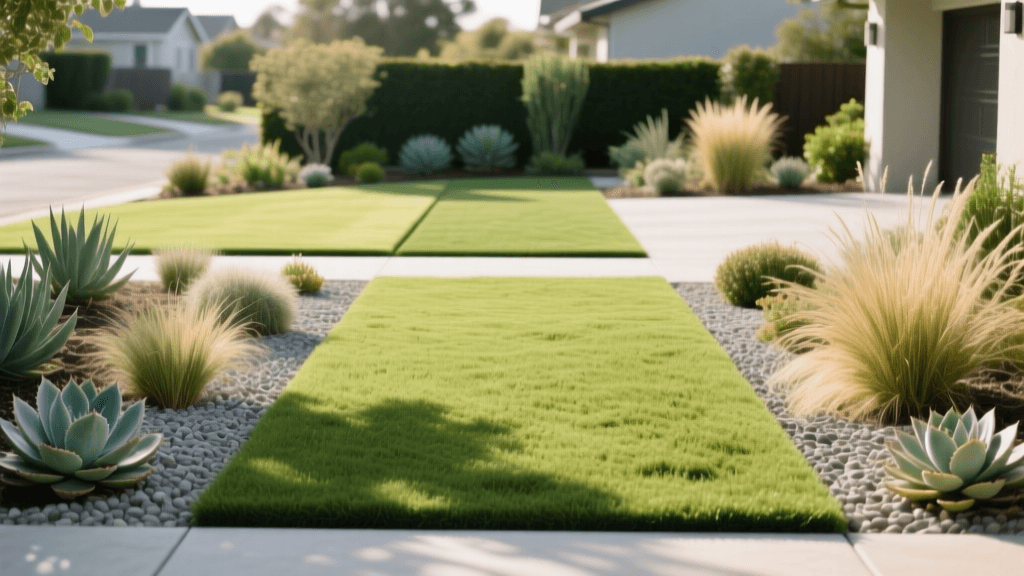
Lawn Zoning Design: Plan A Water-Smart, Low-Maintenance Yard
The Future of Lawn Care: Strategic Landscape Zoning
Modern lawn care is no longer just about mowing, fertilizing, and watering a uniform blanket of green. As water restrictions become more common and homeowners seek to reduce weekend yard work, strategic lawn zoning has emerged as a premier design and planning methodology. By dividing your yard into distinct management zones, you can drastically reduce water consumption, minimize chemical inputs, and create a visually dynamic landscape that serves your specific lifestyle needs. Planning a zoned lawn requires a shift in perspective: instead of treating the entire property as a single monoculture, you must evaluate the unique microclimates, traffic patterns, and aesthetic goals of each individual space.
The Core Principles of Hydrozoning
At the heart of lawn zoning design is a concept known as hydrozoning. Hydrozoning is the practice of clustering plants and turfgrass with similar water, sunlight, and soil requirements together in specific areas of the landscape. This prevents the common mistake of overwatering drought-tolerant plants just to keep a small patch of thirsty turf alive. According to the Colorado State University Extension, proper hydrozoning is a foundational pillar of xeriscaping and sustainable landscape design, capable of reducing outdoor water use by up to 60 percent when combined with efficient irrigation practices.
By grouping plants by their hydro-zones, you ensure that every drop of water is used efficiently, eliminating the stress of over-saturation in shaded beds and under-watering in sun-baked turf areas.
When planning your lawn, you must map out the sun exposure, soil drainage, and natural slope of your yard. South-facing slopes dry out rapidly and require drought-tolerant grasses or groundcovers, while low-lying depressions retain moisture and are better suited for water-loving plants or drainage swales.
Step 1: Map Your Microclimates and Usage Patterns
Before drawing a single line on your landscape plan, spend a week observing your yard. Note where the sun hits during the peak of summer, where water pools after a heavy rain, and where your family naturally walks or plays. A successful lawn design balances ecological realities with human utility. High-traffic areas where children and pets play require durable, self-repairing turfgrasses. Conversely, the narrow strip of grass between the sidewalk and the street (often called a hellstrip) experiences intense heat reflection from pavement and heavy foot traffic, making it a prime candidate for low-water alternatives or hardscaping.
Step 2: Design the Four Lawn Zones
A well-planned, water-smart yard typically incorporates four distinct zones. Each zone serves a unique purpose and dictates the type of grass, groundcover, or hardscape material you should install.
Zone 1: High-Traffic and Entertainment Areas
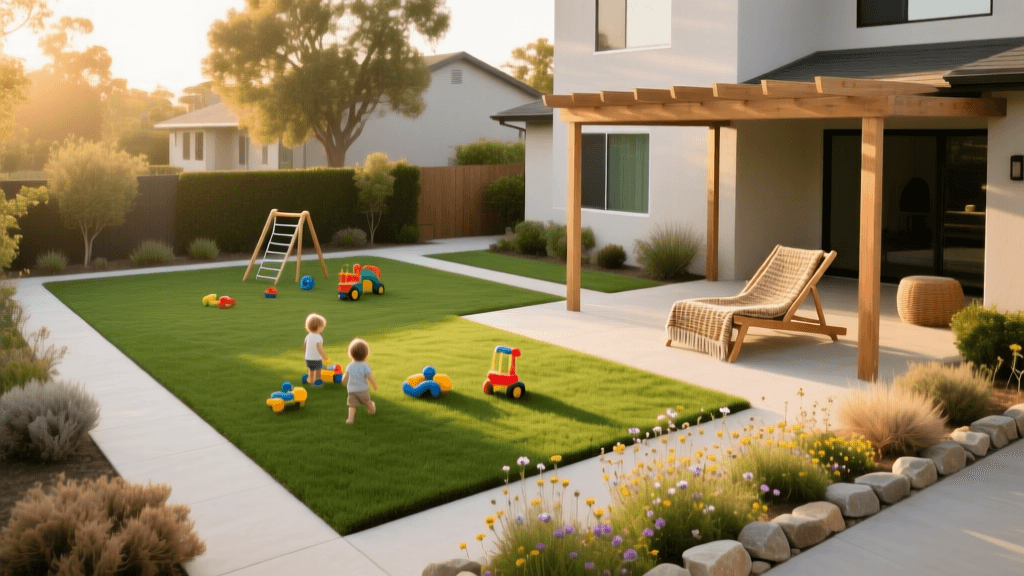
This is your primary play area and entertainment space, usually located directly adjacent to the patio or back door. Because this zone experiences heavy foot traffic, it requires a robust, deep-rooted turfgrass that can recover quickly from damage. For cool-season climates, Kentucky Bluegrass or Tall Fescue are excellent choices. For warm-season regions, Bermuda or Zoysia grass provide the necessary durability. This zone will require the most frequent mowing, fertilization, and irrigation, but because it is confined to a specific area, the overall resource expenditure is minimized.
Zone 2: Visual and Moderate-Traffic Turf
Zone 2 encompasses the areas of the yard that are primarily viewed from the house but rarely walked upon. These are the wide expanses that provide a lush, green backdrop to your garden beds. Here, you can prioritize water efficiency and slow growth over extreme durability. Fine Fescues (for shade and cool climates) or Buffalo Grass (for full sun and warm climates) are ideal. These grasses require less nitrogen fertilizer and can be allowed to grow slightly taller, which shades the soil and further reduces evaporation.
Zone 3: Low-Traffic and Drought-Tolerant Areas
The periphery of your property, steep slopes, and narrow side yards fall into Zone 3. These areas are difficult to mow and often suffer from poor soil quality or extreme sun exposure. Instead of fighting nature with traditional turf, plan for drought-tolerant groundcovers like creeping thyme, sedum, or clover. Micro-clover is an excellent planning choice, as it fixes its own nitrogen, stays green during mild droughts, and requires virtually no mowing.
Zone 4: Hardscaping and Native Planting Beds
Zone 4 eliminates turf entirely. This includes patios, gravel walkways, mulched garden beds, and native wildflower meadows. By reducing your total turf footprint by even 20 percent through the expansion of Zone 4, you significantly cut down on mowing time and fuel costs while providing vital habitats for local pollinators.
Turf and Groundcover Comparison Chart
Use the following table to select the appropriate vegetation for your designated lawn zones based on your regional climate and yard conditions.
| Lawn Zone | Best Turf / Alternative | Water Needs | Maintenance Level |
|---|---|---|---|
| Zone 1 (High Traffic) | Kentucky Bluegrass / Bermuda | High (1 to 1.5 inches/week) | High (Weekly mowing, regular feeding) |
| Zone 2 (Visual) | Tall Fescue / Zoysia | Moderate (0.75 to 1 inch/week) | Moderate (Bi-weekly mowing) |
| Zone 3 (Periphery) | Buffalo Grass / Micro-Clover | Low (0.5 inch/week or rainfall only) | Low (Monthly mowing or no mow) |
| Zone 4 (No-Turf) | Native Beds / Gravel / Patios | Very Low to None | Minimal (Seasonal pruning, weeding) |
Step 3: Plan the Irrigation Infrastructure
Designing your lawn zones is only half the battle; you must also plan an irrigation system that respects those boundaries. Never put high-water turf and low-water groundcovers on the same sprinkler valve. Each hydrozone requires its own dedicated irrigation circuit. Zone 1 and Zone 2 are best served by high-efficiency rotary nozzles that deliver water slowly, allowing it to penetrate deep into the soil without runoff. Zone 3 and Zone 4 planting beds should utilize drip irrigation, which delivers water directly to the root zone, minimizing evaporation and wind drift.
Upgrading to a smart irrigation controller is a critical planning step. The Environmental Protection Agency (EPA) WaterSense program highlights that weather-based smart controllers can save the average home nearly 7,600 gallons of water annually by automatically adjusting watering schedules based on local rainfall, humidity, and temperature data. When planning your system, ensure your smart controller supports at least four independent zones to match your landscape design.
Step 4: Incorporate Hardscape Transitions
A common mistake in lawn zoning design is creating harsh, straight lines between different types of grass or between turf and mulch. To achieve a professional, cohesive look, plan for sweeping, curved transitions. Use steel or heavy-duty poly landscape edging to create a physical barrier between Zone 1 turf and Zone 4 mulch beds. This prevents aggressive grasses like Bermuda from invading your drought-tolerant garden beds. Consider installing a 2-foot-wide mowing strip of pavers or flat flagstone along the borders of your garden beds. This allows you to run one wheel of the lawnmower on the stone, eliminating the need for string trimming and protecting your plants from mower damage.
Budgeting and Cost Estimates
Transitioning from a traditional monoculture lawn to a zoned landscape requires an upfront investment, but it yields significant long-term savings in water bills and maintenance costs. When planning your budget, consider the following average costs for a standard 5,000-square-foot suburban yard:
- Site Analysis and Soil Testing: $30 to $100. Always start with a comprehensive soil test from your local university extension to determine pH and nutrient baselines.
- Landscape Edging Installation: $3 to $6 per linear foot for professional-grade steel edging, essential for keeping zones separated.
- Smart Irrigation Controller: $150 to $300 for the hardware, plus $100 to $200 for professional wiring and setup.
- Turf Removal and Soil Prep: $1.50 to $3.00 per square foot if you are converting Zone 3 or Zone 4 from existing grass to native beds or hardscaping.
- Seed vs. Sod: High-traffic Zone 1 sod installation costs $1.50 to $3.00 per square foot, while seeding the same area with premium Tall Fescue costs roughly $0.15 to $0.30 per square foot.
Final Design Tips for a Cohesive Look
To ensure your zoned lawn looks intentional and beautifully designed rather than patchy, follow these aesthetic planning rules:
- Use the Rule of Thirds: Limit your high-maintenance Zone 1 turf to no more than one-third of your total yard space. This creates a balanced visual ratio between green grass and textured garden beds.
- Create Focal Points: Place a striking specimen tree, a water feature, or a piece of garden art at the terminus of your sightlines. This draws the eye away from the boundaries of the different zones.
- Repeat Planting: Use the same ornamental grasses or perennial flowers in multiple zones to tie the entire landscape together visually, even if the groundcovers differ.
- Embrace Asymmetry: Avoid perfectly symmetrical grass squares. Organic, kidney-bean-shaped turf areas surrounded by deep, sweeping mulch beds look more natural and are easier to mow.
Conclusion
Planning a zoned lawn is a proactive approach to modern landscaping that respects both your time and the environment. By implementing hydrozoning principles, selecting the right turf for the right usage areas, and investing in targeted smart irrigation, you can create a stunning, functional outdoor space. As noted by the Environmental Protection Agency, outdoor water use accounts for nearly 30 percent of total household water consumption in the United States; a well-designed, zoned lawn is one of the most impactful ways a homeowner can reduce that footprint while simultaneously boosting curb appeal and property value.