Home & Garden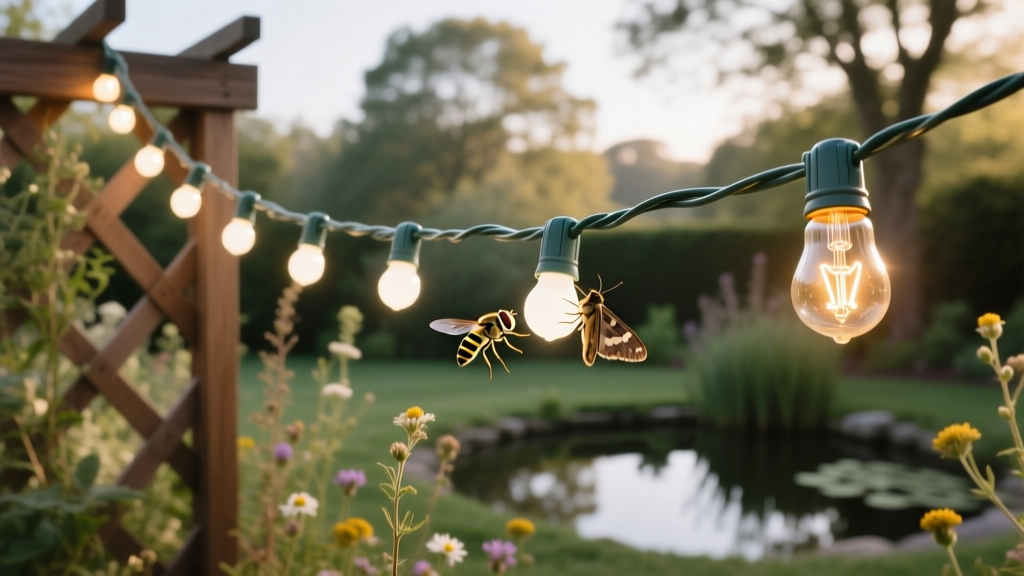
2026 Holiday Lighting: LED Wattage, Timers & Beneficial Insects
Sarah ChenPublished
The Hidden Cost of Holiday Cheer: Light Pollution and Bio-Control
As we prepare our homes and landscapes for the 2026 holiday season, the glow of outdoor lighting brings undeniable warmth and festivity. However, beneath the surface of our illuminated gardens, a silent ecological crisis unfolds. Artificial Light At Night (ALAN) severely disrupts the circadian rhythms, navigation, and overwintering behaviors of beneficial insects. For gardeners who rely on bio-control agents—such as green lacewings, ladybugs, parasitic wasps, and predatory ground beetles—to manage pests naturally, the type of holiday lighting you choose and how you control it matters immensely.
Nocturnal pollinators, like sphinx moths, and pest-hunting insects are highly sensitive to the spectrum and intensity of outdoor lighting. When we string up high-wattage, broad-spectrum bulbs and leave them burning from dusk until dawn, we inadvertently exhaust these vital garden allies, making them easy prey for birds and bats, or causing them to freeze when winter temperatures drop. Fortunately, by understanding the differences between LED and incandescent wattage, and by utilizing smart timers, you can maintain a stunning 2026 holiday display while fiercely protecting your garden's bio-control ecosystem.
Incandescent vs. LED: Wattage, Heat, and the Insect Magnet Effect
For decades, traditional C9 incandescent bulbs were the standard for outdoor holiday rooflines and shrub wrapping. While they offer a nostalgic glow, their ecological footprint is disastrous for local insect populations. A standard incandescent C9 bulb consumes about 7 watts of power, but more importantly, it converts nearly 90% of that energy into heat and emits a broad spectrum of light, including ultraviolet (UV) and blue wavelengths.
Insects are notoriously attracted to UV and blue light, which they use for celestial navigation. According to DarkSky International, this attraction causes insects to circle artificial lights until they die of exhaustion or are picked off by predators. Furthermore, the heat emitted by incandescent strings can confuse overwintering insects in nearby shrubs, causing them to break diapause (a state of suspended animation) prematurely, only to freeze when the lights are turned off or when a cold front hits.
In contrast, modern LED holiday lights consume a fraction of the wattage. A comparable LED C9 bulb uses only about 0.8 watts. The U.S. Department of Energy notes that LEDs are vastly more efficient, but for the eco-conscious gardener, the real advantage lies in their customizable color spectrum and lack of radiant heat. By selecting warm white (2200K to 2700K) or amber LEDs, you can drastically reduce the blue light emissions that disrupt insect navigation.
Wattage and Spectrum Comparison Table
| Lighting Type (C9 Bulb) | Wattage Per Bulb | Heat Output | Blue/UV Emission | Impact on Bio-Control Insects |
|---|---|---|---|---|
| Traditional Incandescent | 7.0 Watts | High (Radiant Heat) | High (Broad Spectrum) | Severe: Attracts, exhausts, and disrupts overwintering diapause. |
| Cool White LED (5000K) | 0.8 Watts | Negligible | High (Blue-heavy) | Moderate to High: Low heat, but blue spectrum still disrupts navigation. |
| Warm White LED (2700K) | 0.8 Watts | Negligible | Low | Low: Minimal disruption if paired with strict timers. |
| Amber LED (2200K) | 0.8 Watts | Negligible | Extremely Low | Minimal: Safest option for nocturnal pollinators and predatory beetles. |
The Crucial Role of Timers in Protecting Overwintering Insects
Even the most insect-friendly amber LEDs can cause ecological harm if left on 24/7 or burning late into the early morning hours. Beneficial insects rely on dark periods to hunt, mate, and seek shelter. Ground beetles, which are voracious predators of slugs and cutworms, do most of their foraging in the deep dark of the night. Parasitic wasps, which help control aphid and caterpillar populations, also require undisturbed dark periods to regulate their internal clocks.
In 2026, smart home integration makes it easier than ever to protect these insects without sacrificing convenience. Utilizing Matter-compatible smart outdoor plugs, such as the Kasa Smart Outdoor Plug or Wyze Plug Outdoor, allows you to set precise, automated schedules that adapt to your local sunset and sunrise times.
Best Timer Practices for Insect Conservation
- The 10:00 PM Rule: Program your holiday lights to turn off no later than 10:00 PM or 11:00 PM. This provides a solid window of darkness during the peak nocturnal activity hours for most predatory insects and moths.
- Dusk-to-Dark Scheduling: Use the geolocation features on your smart timers to turn lights on exactly at dusk for human enjoyment, but hard-code the shut-off time rather than leaving them on until dawn.
- Motion-Activated Alternatives: For pathway lighting or shrub up-lighting near bio-control habitats, consider using low-lumen, motion-activated LED spotlights instead of static string lights. This provides safety for your family while leaving the garden in darkness when not in use.
Strategic Placement: Shielding Bio-Control Habitats
Wattage and timers are only half the battle; physical placement dictates the true ecological impact of your holiday display. Gardens that support bio-control typically feature overwintering habitats such as brush piles, compost bins, leaf litter zones, and insect hotels. These areas are sanctuaries for ladybugs, solitary bees, and lacewings.
When wrapping trees or outlining garden beds, maintain a minimum buffer zone of 15 feet between your light sources and these critical habitats. Light trespass—even from low-wattage LEDs—can penetrate deep into brush piles, disrupting the micro-climate and the insects resting within. If you must decorate near a compost bin or insect hotel, use directional LED lenses that point the light strictly downward and away from the habitat structure.
Your 2026 Action Plan for an Insect-Friendly Display
To ensure your garden remains a thriving hub for natural pest control next spring, follow this actionable setup guide for the 2026 holiday season:
- Audit Your Inventory: Retire all incandescent holiday strings. The heat and UV output are incompatible with a bio-control-friendly landscape.
- Purchase Warm or Amber LEDs: Look for packaging that specifies a color temperature of 2700K or lower. Avoid 'cool white' or 'daylight' LEDs, which emit disruptive blue wavelengths.
- Calculate Total Wattage: While LEDs are efficient, stringing together 1,000 bulbs still produces cumulative lumens that can cause localized light pollution. Stick to 2 to 3 strands per tree or shrub to maintain a balanced aesthetic without overwhelming the local environment.
- Install Smart Timers: Connect your outdoor strands to a Wi-Fi or Thread-enabled smart plug. Set an automated schedule that respects the nocturnal needs of local wildlife.
- Protect Overwintering Zones: Map out your garden's insect hotels, brush piles, and undisturbed leaf litter. Route all extension cords and light strands away from these zones.
Conclusion
The magic of the holiday season does not have to come at the expense of your garden's ecological balance. As awareness of Artificial Light At Night grows, organizations like the USDA Pollinator Health initiative continue to emphasize the importance of protecting nocturnal environments. By upgrading to low-wattage, warm-spectrum LEDs and enforcing strict timer schedules, you can celebrate the season beautifully while ensuring that your garden's beneficial insects remain safe, rested, and ready to provide natural bio-control when spring 2027 arrives.
