Home & Garden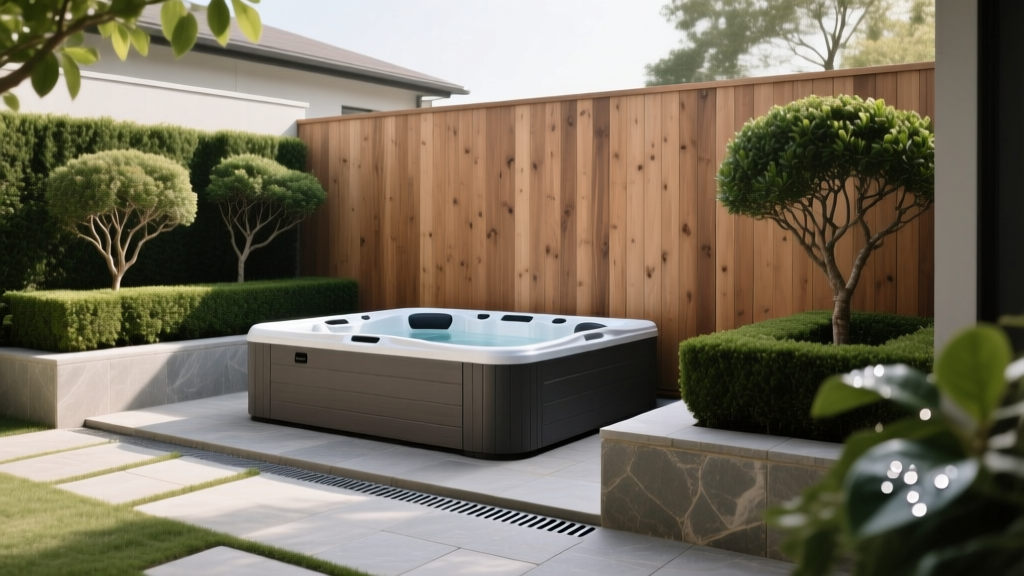
2026 Hot Tub Privacy Screens: Pruning & Drainage Guide
Sarah ChenPublished
The Intersection of Privacy, Pruning, and Water Management
As outdoor living spaces continue to evolve in 2026, the hot tub has transitioned from a simple backyard accessory to the centerpiece of a fully integrated spa oasis. Homeowners are increasingly turning to living privacy screens—such as dense evergreens, clumping bamboo, and broadleaf shrubs—to create secluded, natural enclosures. However, placing lush vegetation immediately adjacent to a hot tub introduces two major challenges: excessive organic debris falling into the filtration system, and complex water drainage issues caused by splash-out and spa maintenance. To maintain a pristine environment, mastering specific pruning methods and timing is just as critical as the initial planting.
When managed correctly, a living privacy screen enhances the microclimate around your hot tub, blocking harsh winds while allowing necessary airflow to prevent humidity buildup. When managed poorly, it becomes a constant source of clogged filters, shaded dampness, and root rot. This comprehensive guide explores the exact pruning techniques, seasonal timing, and drainage planning required to keep your 2026 hot tub landscape both private and perfectly functional.
Best Pruning Methods for Hot Tub Privacy Screens
The goal of pruning near a hot tub is fundamentally different from pruning a standard garden hedge. You must maximize visual density at eye level while minimizing the volume of loose foliage and promoting rapid drying of the plant canopy. According to the Arbor Day Foundation, proper pruning cuts not only shape the plant but also dictate its future growth patterns and structural health.
1. Canopy Elevation (Limbing Up)
Canopy elevation involves selectively removing the lowest branches of a tree or tall shrub to raise the bottom edge of the foliage. For hot tub privacy screens, you should elevate the canopy to at least 6 to 8 feet above the ground or the decking surface. This technique serves three vital purposes:
- Debris Reduction: By removing lower branches that hover directly over the water, you drastically reduce the amount of leaves, needles, and sap that drop directly into the spa.
- Airflow and Humidity Control: Hot tubs generate massive amounts of steam. If lower branches trap this steam against the trunk and the spa cover, it creates a breeding ground for fungal diseases on the plants and accelerates the degradation of your spa's wooden or composite cabinet.
- Accessibility: Elevating the canopy ensures you have clear, unobstructed access to the hot tub's equipment panel for routine pump and heater maintenance without having to hack through living branches.
2. Selective Thinning vs. Hedge Shearing
Many homeowners make the mistake of using electric hedge trimmers to shear their privacy screens into flat, uniform walls. While this provides immediate privacy, it forces the plant to produce a dense outer shell of leaves while the interior dies off from lack of sunlight. When the interior eventually sheds, it drops a massive volume of dead organic matter into the hot tub. Instead, use selective thinning cuts. Remove entire branches back to their point of origin or to a lateral branch. This opens the canopy to dappled light, keeps the interior alive, and results in a plant that holds onto its foliage longer, shedding less debris into your spa water.
3. Directional Pruning for Wind Deflection
When making your pruning cuts, pay attention to the outward-facing buds. By cutting just above an outward-facing bud at a 45-degree angle, you direct new growth away from the center of the hot tub area. This naturally shapes the plant to act as a windbreak, deflecting harsh winter winds over and around the spa rather than funneling them directly into the seating area.
Timing Your Pruning for Maximum Privacy and Minimum Mess
Timing is everything when it comes to pruning living privacy screens around a high-use recreational area. Pruning at the wrong time of year can result in a season of sparse privacy, excessive sap bleeding, or a massive flush of debris that overwhelms your hot tub filter. The Morton Arboretum emphasizes that understanding a plant's specific growth cycle is paramount for successful landscape management.
Late Winter to Early Spring (The Ideal Window)
For the vast majority of evergreen privacy screens, such as Arborvitae, Juniper, and Yew, late winter to early spring (just before the spring growth flush) is the optimal time to prune. The plants are still dormant, meaning they will not suffer from moisture loss through pruning wounds. Furthermore, any debris generated during the pruning process can be easily cleaned up from the frozen or dry ground before the heavy spring rains begin. By the time you start using the hot tub regularly in the late spring and summer, the plants will have pushed out a fresh, dense layer of growth, providing maximum privacy.
Avoid Late Summer and Early Fall Pruning
Never prune your hot tub privacy screens in late summer or early fall. Pruning stimulates new, tender growth. If this new growth does not have enough time to harden off before the first winter frost, it will die back, leaving you with unsightly brown patches right at eye level during the winter months—exactly when you want the most privacy and wind protection for your hot tub.
Coordinating with Spa Maintenance Schedules
In 2026, smart home integration allows us to schedule our hot tub drain-and-refill cycles with precision. Coordinate your heavy pruning days with your scheduled spa water changes. If you are doing major canopy elevation or structural thinning, drain the hot tub first. This prevents pruning dust, sap, and accidental branch drops from contaminating the water, and allows you to use the empty spa as a stable platform to reach higher branches safely.
Drainage Planning: Protecting the Spa and the Screen
A living privacy screen requires consistent moisture to thrive, but a hot tub environment is subject to sudden, massive surges of water. Splash-out from bathers, backwashing the sand or DE filter, and the complete draining of a 400-gallon spa can flood adjacent plant beds, leading to root rot and soil erosion. Proper drainage planning is non-negotiable.
According to the EPA's Green Infrastructure guidelines, managing localized stormwater and runoff through permeable surfaces and subsurface drainage is essential for maintaining healthy soil ecology and preventing property damage.
The French Drain and Dry Creek Bed Combination
To protect both the hot tub base and the privacy screen's root zone, install a French drain system along the perimeter of the spa pad. Dig a trench approximately 12 inches wide and 18 inches deep, sloping it at a minimum grade of 1/4 inch per foot away from the hot tub. Line the trench with permeable geotextile fabric, lay a 4-inch perforated PVC pipe, and cover it with washed drainage gravel. For an aesthetic touch that complements the natural privacy screen, terminate the French drain into a decorative dry creek bed lined with river rock and moisture-tolerant groundcovers.
The Pruning-Drainage Connection
How does pruning affect drainage? Unpruned or poorly pruned shrubs drop excessive amounts of small leaves and needles. When these wash across the decking during a rainstorm, they inevitably clog the grates of your French drain or pool deck drains. By maintaining a strict selective pruning regimen and keeping the lower canopy elevated, you drastically reduce the volume of fine organic matter that can infiltrate and block your subsurface drainage systems. In 2026, many homeowners are also installing smart moisture sensors in these gravel trenches to alert their phones if a drain becomes blocked and water begins to pool near the spa's electrical components.
2026 Plant Selection, Pruning, and Drainage Matrix
Choosing the right plant for your hot tub privacy screen dictates your ongoing maintenance workload. Below is a comparison matrix of the top three living screen options for spa environments, detailing their specific pruning needs and drainage tolerances.
| Plant Species | Ideal Pruning Method | Optimal Timing | Drainage Tolerance |
|---|---|---|---|
| Clumping Bamboo (Fargesia robusta) |
Culm removal at soil level; thinning of weak shoots. No canopy shearing. | Early Spring (before shooting season) | Moderate. Requires consistent moisture but will rot in standing water. Needs excellent subsurface drainage. |
| Skip Laurel (Prunus laurocerasus 'Schipkaensis') |
Selective hand-pruning only. Never use mechanical shears, which shred the large leaves and cause browning. | Late Winter or immediately after spring flowering | High. Very tolerant of varying soil conditions and occasional splash-out surges. |
| Emerald Green Arborvitae (Thuja occidentalis 'Smaragd') |
Light shearing of new green tips only. Never cut into the brown, older wood interior. | Mid-Spring to Early Summer | Low to Moderate. Highly susceptible to root rot if spa drainage fails and soil remains waterlogged. |
Conclusion
Creating a secluded, luxurious hot tub oasis in 2026 requires looking beyond the initial installation and planning for the long-term interaction between water, hardscaping, and living plants. By employing selective pruning methods like canopy elevation and directional thinning, you can maintain dense privacy while keeping debris out of your filtration system. Coupling these horticultural techniques with robust subsurface drainage planning ensures that your living privacy screen thrives for decades, providing a tranquil, green sanctuary every time you step into the spa.
