Home & Garden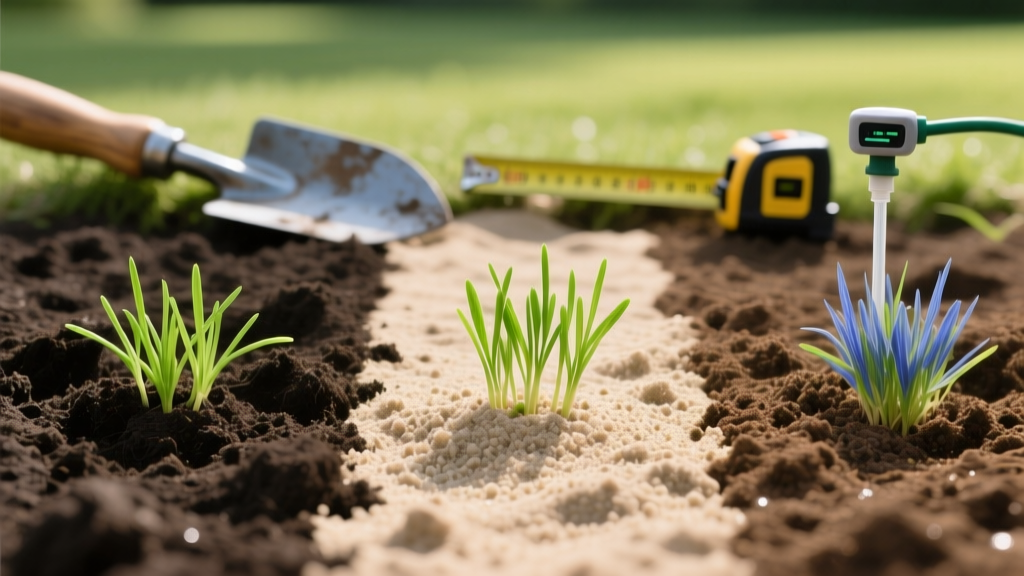
How to Match Grass Seed to Clay, Sandy, and Loam Soils
Emily WatsonPublished
The Foundation of a Perfect Lawn: Why Soil Texture Matters
A thriving, magazine-worthy lawn is rarely the result of luck; it is the product of careful planning, precise maintenance, and, most importantly, matching the right turfgrass to your underlying soil profile. Many homeowners spend hundreds of dollars on premium seed and fertilizers, only to watch their lawn thin out and succumb to disease or drought. The culprit is almost always a mismatch between the grass species and the soil texture. Bridging the gap between your indoor living space and your outdoor oasis begins from the ground up. A healthy, well-drained lawn prevents muddy footprints from tracking onto your indoor carpets and protects the structural integrity of your outdoor kitchen and patio furniture by managing water runoff effectively.
Soil texture is determined by the proportion of sand, silt, and clay particles. According to the UC Davis Turfgrass Culture program, understanding these proportions is the first critical step in turfgrass management. Sand particles are large and create large pore spaces, leading to rapid drainage but poor nutrient retention. Clay particles are microscopic and pack tightly together, holding water and nutrients well but suffering from severe compaction and poor oxygen flow to the roots. Loam is the holy grail of soil types, offering a balanced mixture of all three particles, providing ideal drainage, aeration, and nutrient-holding capacity.
"The single most common mistake homeowners make is selecting a grass variety based on their neighbor's lawn rather than their own unique soil profile and microclimate."
How to Test Your Soil at Home
Before purchasing a single bag of seed, you must determine your soil type. You can perform a simple DIY mason jar test: fill a clear jar one-third full with soil from your lawn (digging about 4 inches deep), add water and a drop of dish soap, shake vigorously, and let it settle for 24 hours. Sand will settle at the bottom within a minute, silt will form the middle layer over a few hours, and clay will remain suspended at the top. By measuring the layers, you can estimate your soil texture.
For a more precise analysis, including pH levels and exact nutrient deficiencies, send a sample to a local cooperative extension laboratory. As noted by the University of Minnesota Extension, professional soil testing typically costs between $15 and $30 and provides a customized amendment schedule. Testing should be done every 3 to 4 years, ideally in the early spring or late fall, to give you time to apply corrective treatments like lime or elemental sulfur before the active growing season begins.
Managing and Matching Grass for Clay Soils
Clay soils are notoriously difficult to manage. They are heavy, prone to severe compaction from foot traffic, and easily waterlogged during heavy rains. When dry, clay soils bake into a hard, cracked surface that repels water and makes seed germination nearly impossible. If you have a clay-heavy lawn, you need grass varieties with aggressive, deep root systems capable of penetrating dense soil and tolerating periodic drought stress.
Best Grass Varieties for Clay
- Cool-Season: Tall Fescue is the undisputed champion of clay soils in northern and transitional zones. Cultivars like 'Titan Ultra' or 'Rhizomatous Tall Fescue' (RTF) develop deep, extensive root systems that break up compacted layers and survive summer heat.
- Warm-Season: Zoysiagrass (specifically 'Meyer' or 'Zeon' varieties) and Bermudagrass thrive in southern clay soils. Their dense, mat-forming growth habit helps them outcompete weeds, while their robust rhizomes anchor them firmly in heavy earth.
Actionable Amendments and Maintenance
To improve clay soil, avoid adding sand, which can create a concrete-like substance when mixed with clay. Instead, focus on core aeration and top-dressing with organic matter. Renting a core aerator or hiring a professional (typically $80 to $150 per 1,000 square feet) in the fall will pull out plugs of soil, relieving compaction. Immediately after aerating, top-dress the lawn with a quarter-inch layer of high-quality compost. Over several seasons, this organic matter will integrate into the clay, improving soil structure, drainage, and microbial activity.
Managing and Matching Grass for Sandy Soils
Sandy soils are the exact opposite of clay. They are loose, easy to dig, and drain exceptionally well. However, this rapid drainage means water and water-soluble nutrients (like nitrogen and potassium) leach away before the grass roots can absorb them. Sandy soils also warm up quickly in the spring, which can trigger premature grass growth followed by late-frost damage. Lawns in sandy soils require frequent, light watering and a steady supply of organic matter to build nutrient-holding capacity.
Best Grass Varieties for Sand
- Cool-Season: Fine Fescues (including Creeping Red, Chewings, and Hard Fescues) are highly adaptable to dry, low-fertility sandy soils. They require less water and fertilizer than other cool-season grasses and perform well in the dappled shade of coastal pine forests.
- Warm-Season: Centipedegrass and Bahiagrass (such as the 'Pensacola' cultivar) are excellent choices for the sandy, acidic soils of the Deep South. Bahiagrass, in particular, has a massive, deep root system that allows it to survive extreme drought conditions in nutrient-poor sand.
Actionable Amendments and Maintenance
Improving sandy soil requires building its cation exchange capacity (CEC)—its ability to hold onto nutrients. Incorporate biochar, peat moss, or composted manure into the top few inches of soil before seeding. Because nutrients leach rapidly, abandon the practice of applying large, single doses of fertilizer. Instead, use slow-release, polymer-coated nitrogen fertilizers and apply them in smaller, more frequent doses throughout the growing season to ensure a steady nutrient supply without polluting local groundwater.
The Sweet Spot: Loam Soils
If your mason jar test reveals a balanced mix of roughly 40% sand, 40% silt, and 20% clay, you have loam soil. Loam is the gold standard for turfgrass, offering excellent moisture retention, superior drainage, and a rich reservoir of nutrients. Homeowners with loam soil have the luxury of choosing from a wide variety of premium turfgrasses based purely on their aesthetic preferences and climate zone.
For cool-season regions, Kentucky Bluegrass and Perennial Ryegrass blends will create a lush, dark-green, carpet-like lawn that recovers quickly from damage. For warm-season regions, St. Augustinegrass or hybrid Bermudagrass will provide a thick, luxurious turf that handles both full sun and moderate foot traffic. Even with loam soil, annual top-dressing with a thin layer of compost is recommended to maintain the delicate balance of organic matter and soil microbes.
Soil-to-Grass Matching Comparison Chart
| Soil Type | Best Cool-Season Grass | Best Warm-Season Grass | Primary Challenge | Amendment Strategy |
|---|---|---|---|---|
| Heavy Clay | Tall Fescue (RTF) | Zoysiagrass / Bermuda | Compaction, poor drainage | Core aeration, compost top-dressing |
| Sandy | Fine Fescue | Bahiagrass / Centipede | Nutrient leaching, drought | Biochar, slow-release fertilizers |
| Silty | Kentucky Bluegrass | St. Augustinegrass | Surface crusting, erosion | Organic mulch, overseeding |
| Loam | Bluegrass / Ryegrass | Hybrid Bermuda / Zoysia | Maintaining balance | Annual light compost application |
Integrating Smart Irrigation for Soil-Specific Watering
Bridging the gap between indoor smart home technology and outdoor landscaping is one of the most effective ways to manage soil-specific watering needs. Overwatering clay soil leads to fungal diseases and root rot, while underwatering sandy soil causes rapid dormancy and browning. Smart irrigation controllers eliminate the guesswork by adjusting watering schedules based on real-time environmental data.
The EPA WaterSense program highly recommends installing weather-based or soil moisture sensor-based irrigation controllers. Weather-based controllers (often called ET controllers) use local meteorological data to calculate evapotranspiration rates, automatically reducing watering before a rainstorm or increasing it during a heatwave. Soil moisture sensors, on the other hand, are buried directly in the root zone of your lawn. They measure the exact volumetric water content of your specific soil type—whether it is water-retentive clay or fast-draining sand—and override the irrigation timer if the soil already holds sufficient moisture.
By integrating these smart controllers with your home's Wi-Fi network, you can monitor your lawn's hydration levels, set seasonal watering restrictions, and receive leak-detection alerts directly from your smartphone. This not only preserves the health of your carefully matched turfgrass but also significantly reduces outdoor water waste, lowering your utility bills and supporting regional water conservation efforts.
Seasonal Maintenance Timelines by Soil Type
Maintaining a lawn requires a strategic calendar tailored to your soil's unique characteristics. Follow this seasonal checklist to keep your turf thriving year-round:
- Spring (Clay Soils): Wait until the soil dries out completely before performing any heavy yard work or mowing. Walking on wet clay causes severe, long-lasting compaction. Apply a pre-emergent herbicide when soil temperatures reach 55°F.
- Spring (Sandy Soils): Begin your fertilization regimen early, as sandy soils warm up faster. Apply a light dose of slow-release nitrogen to encourage steady growth without triggering a massive flush of weed competition.
- Fall (All Soils): This is the ideal time for core aeration and overseeding. For clay soils, leave the aeration plugs on the lawn to break down naturally and return microbes to the surface. For sandy soils, rake the plugs away and immediately apply a compost top-dressing to build organic matter before winter dormancy.
- Winter: Calibrate your smart irrigation sensors and review your soil test results from the local extension office. Order your specific grass seed blends and organic amendments so they are ready for the first thaw of spring.
By understanding the intimate relationship between soil texture and turfgrass biology, you can transform a struggling, patchy yard into a resilient, vibrant landscape that seamlessly extends your home's living space into the great outdoors.
