Home & Garden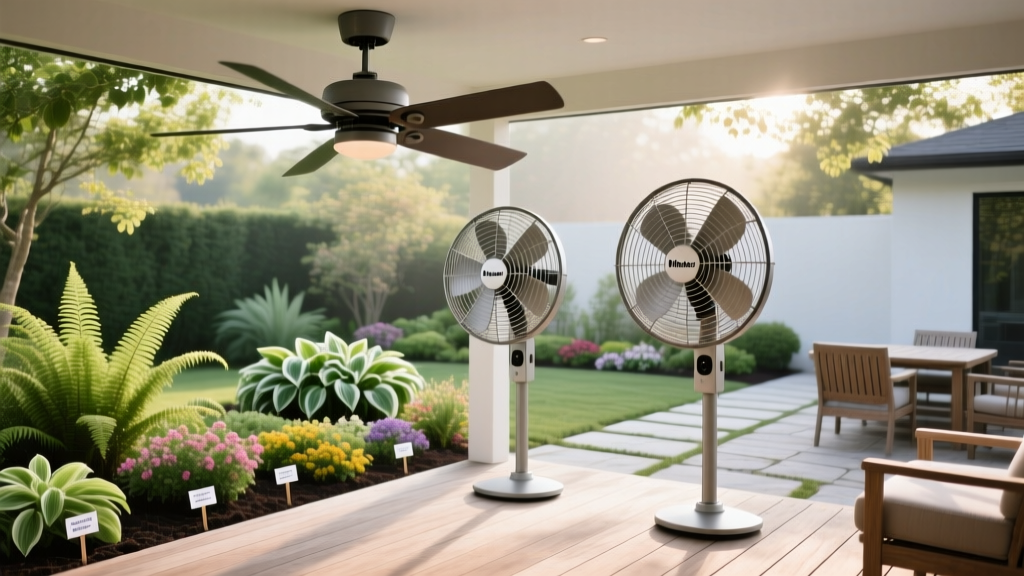
Minka-Aire vs Hunter Fans & 2026 Fertilizer Schedules
Mike RodriguezPublished
Elevating Your 2026 Outdoor Living Space
As we move into the 2026 outdoor living season, homeowners are increasingly treating their patios and covered porches as true extensions of their indoor living spaces. Creating the ultimate outdoor oasis requires a dual approach: optimizing hardscape comfort with high-performance outdoor ceiling fans, and nurturing the softscape with precise, science-backed fertilizer schedules. Whether you are relaxing under a breeze or tending to your patio-adjacent shade gardens, understanding the intersection of outdoor decor and landscape nutrition is vital for a thriving backyard ecosystem.
In this comprehensive guide, we will break down the highly debated Minka-Aire vs Hunter damp-rated outdoor fan comparison for 2026, and then pivot to the essential fertilizer types and schedules required to keep your surrounding garden beds and container plants lush, vibrant, and healthy all year long.
Minka-Aire vs Hunter: 2026 Damp-Rated Outdoor Fan Comparison
Before selecting an outdoor ceiling fan, it is crucial to understand electrical safety and environmental ratings. According to the EPA ENERGY STAR program, outdoor fans are categorized as either 'damp-rated' or 'wet-rated'. Damp-rated fans are engineered for covered outdoor areas where they are protected from direct rain and snow, such as screened-in porches, covered patios, and pergolas with solid roofs. They feature moisture-resistant motors, rust-inhibiting hardware, and blades made from all-weather ABS plastic or treated marine-grade wood.
Minka-Aire: Modern Aesthetics and Smart Integration
Minka-Aire has long been a pioneer in contemporary fan design, and their 2026 damp-rated lineup continues to push the boundaries of smart home integration and aerodynamic efficiency. Models like the Minka-Aire Java and the Concept II Outdoor are favorites among modern homeowners. The standout feature for 2026 is Minka-Aire's native support for the Matter smart home protocol, allowing seamless integration with Apple Home, Amazon Alexa, and Google Home without the need for third-party bridges.
Minka-Aire utilizes highly efficient DC (Direct Current) motors in their premium damp-rated models. These motors consume up to 70% less energy than traditional AC motors while delivering superior torque and quieter operation. With blade spans typically ranging from 52 to 60 inches, these fans move massive volumes of air (measured in CFM - Cubic Feet per Minute), creating a pronounced wind-chill effect that makes humid summer evenings on the patio entirely comfortable.
Hunter: Heritage Reliability and WhisperWind Tech
Hunter Fan Company brings over a century of engineering pedigree to the outdoor space. Their damp-rated models, such as the Kennicott and the Sea Air collections, lean heavily into classic, transitional, and coastal aesthetics. Hunter's proprietary WhisperWind motor remains a benchmark in the industry for 2026, delivering powerful air movement with an ultra-quiet hum that won't disrupt outdoor conversations or the ambient sounds of your garden.
While Hunter has embraced smart technology with their SIMPLEconnect Wi-Fi ecosystem, many of their damp-rated outdoor fans still offer the reliability of traditional pull-chain operations or handheld remotes, which some homeowners prefer for covered porches where Wi-Fi signals might fluctuate. Hunter's SureSpeed guarantee ensures that their optimized blade pitches and motor pairings deliver high-velocity airflow right out of the box.
2026 Feature Comparison Chart
| Feature | Minka-Aire Java (Damp) | Hunter Kennicott (Damp) |
|---|---|---|
| Motor Type | Energy-Efficient DC Motor | WhisperWind AC Motor |
| Smart Home Tech | Matter Protocol / Native Wi-Fi | SIMPLEconnect Wi-Fi |
| Blade Material | All-Weather ABS Plastic | Marine-Grade Treated Wood |
| Airflow (CFM) | ~5,500 CFM (High) | ~4,800 CFM (High) |
| Est. 2026 Price | $350 - $450 | $250 - $320 |
| Warranty | Limited Lifetime Motor | Limited Lifetime Motor |
The Fertilizer Perspective: Nourishing the Patio Perimeter
A comfortable patio is only as inviting as the garden that frames it. The transition from hardscape to softscape requires careful attention to soil health. The plants surrounding your covered patio—ranging from shade-loving ferns and hostas to vibrant container annuals—have distinct nutritional needs. Furthermore, the microclimate created by your outdoor ceiling fan can actually influence plant transpiration rates and the efficacy of certain fertilizer applications.
Understanding 2026 Fertilizer Types
When selecting a fertilizer for your patio perimeter, you must choose between granular and liquid formulations, as well as synthetic and organic sources. As detailed by Penn State Extension, understanding the N-P-K (Nitrogen, Phosphorus, Potassium) ratio and the release mechanism of the nutrients is paramount for preventing runoff and ensuring steady plant growth.
- Slow-Release Granular (Synthetic): Polymer-coated or sulfur-coated urea provides a steady drip of nitrogen over 8 to 12 weeks. This is ideal for the shrubs and ornamental grasses bordering your patio, as it prevents the rapid flush of growth that can attract pests.
- Organic Granular: Ingredients like feather meal, bone meal, and composted poultry manure improve soil structure and feed the soil microbiome. Organic fertilizers rely on soil microbes to break down nutrients, meaning they are most effective when soil temperatures consistently exceed 55°F in the spring.
- Liquid Water-Soluble: Best for patio container gardens and hanging baskets. Because container plants are watered frequently, nutrients leach out rapidly. A bi-weekly liquid feeding regimen ensures your patio petunias and trailing vinca remain vibrant.
- Foliar Sprays: Liquid chelated iron or kelp extracts sprayed directly onto plant leaves. This provides an immediate micronutrient boost, bypassing the soil entirely.
2026 Spring & Summer Fertilizer Schedules
To maintain a pristine landscape around your outdoor living area, adhere to this seasonal fertilizer schedule tailored for cool-season and transitional climate zones in 2026:
- Early Spring (March - April): Begin with a soil test. Apply a pre-emergent weed preventer to patio-adjacent lawn areas. For ornamental beds, apply a balanced, slow-release organic granular fertilizer (e.g., 5-5-5 N-P-K) just as new shoots emerge. Wait until soil temps reach 55°F for microbial activation.
- Late Spring (May - June): Transition to liquid fertilizers for all patio containers and hanging baskets. Apply a water-soluble 20-20-20 formula every 14 days. For shrubs, a light side-dressing of compost will retain moisture as summer heat approaches.
- Mid-Summer (July - August): Reduce granular nitrogen applications to landscape beds to avoid stressing plants during peak heat. Focus on potassium-rich fertilizers to promote root resilience and drought tolerance. Continue liquid feeding containers, but dilute the strength by 25% to prevent root burn.
- Early Fall (September - October): The most critical feeding of the year. Apply a high-nitrogen, slow-release synthetic fertilizer to lawn areas to build winter root reserves. Top-dress patio perennial beds with a 2-inch layer of organic compost and a winterizer fertilizer (high in potassium) to prepare plants for dormancy.
The Microclimate Effect: Ceiling Fans and Foliar Feeding
How do your Minka-Aire or Hunter damp-rated fans intersect with your fertilizer schedule? The answer lies in microclimates and application mechanics. Outdoor ceiling fans generate significant wind shear, which increases the transpiration rate of nearby plants. While this airflow is excellent for preventing fungal diseases like powdery mildew on dense patio roses, it also causes container soil to dry out faster, necessitating more frequent watering and, consequently, more frequent liquid fertilization to replace leached nutrients.
Furthermore, if you are utilizing foliar fertilizer sprays (such as liquid calcium or magnesium supplements for your patio tomatoes or ornamental foliage), you must turn off your outdoor ceiling fan during application. The breeze from a powerful DC motor fan will cause 'spray drift,' carrying your expensive liquid fertilizer away from the target leaves and onto your patio furniture or hardscape, where it can leave unsightly mineral stains and reduce the nutritional uptake of your plants. Always apply foliar feeds in the early morning when the fan is off and the stomata on the leaves are open and ready to absorb nutrients.
Conclusion
Mastering your outdoor living space in 2026 requires a holistic approach. By selecting the right damp-rated ceiling fan—whether you prefer the smart-home readiness and modern CFM output of Minka-Aire or the classic reliability and WhisperWind tech of Hunter—you guarantee year-round patio comfort. By pairing that hardscape investment with a rigorous, science-based fertilizer schedule, you ensure that the garden framing your outdoor oasis remains a lush, vibrant sanctuary for seasons to come.
