Home & Garden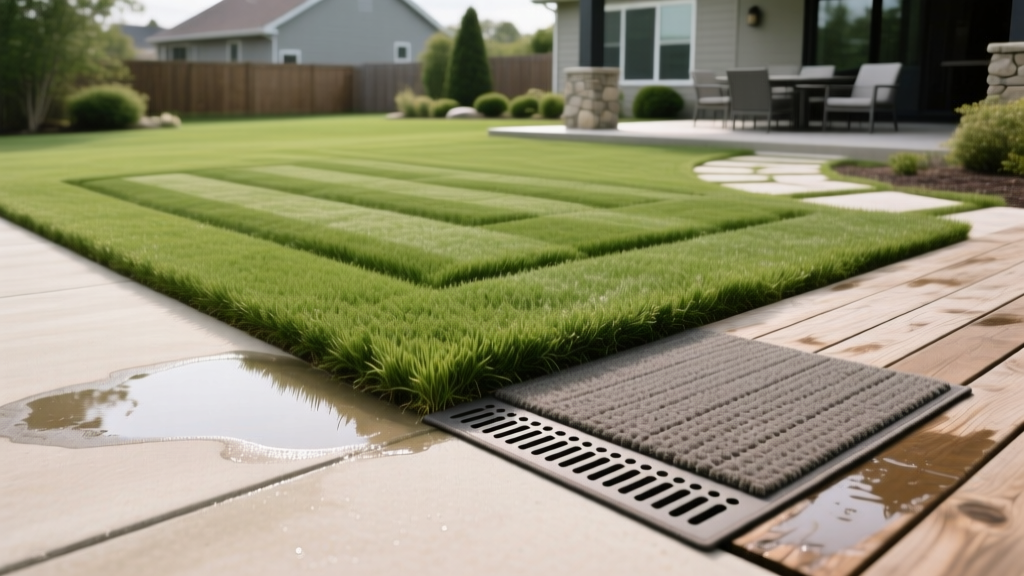
2026 Mowing Patterns: Rug Pad Drainage on Concrete vs Decks
Sarah ChenPublished
The Intersection of Precision Mowing and Hardscape Design in 2026
As we move through 2026, the modern lawn is no longer just a patch of grass; it is a highly curated extension of the home's living space. Homeowners are increasingly bridging the gap between lush turf and hardscaped patios, creating seamless transitions that demand both aesthetic precision and functional durability. Mastering advanced mowing patterns—such as high-contrast striping, diagonal diamonds, and intricate checkerboards—requires immaculate perimeter edges. However, where the grass meets the concrete patio or the wooden deck, a hidden challenge emerges: moisture management and debris control. When you place outdoor rugs on these hardscapes to anchor your patio furniture, the choice of rug pad becomes a critical factor in preserving both the hardscape and the pristine lawn edges you have worked so hard to maintain.
Mastering Mowing Patterns Near Hardscapes
Creating professional-grade mowing patterns relies heavily on the 'perimeter buffer pass.' This is the initial strip of grass cut around the entire yard, allowing you to safely turn the mower around without damaging the turf or scalping the edges. When executing this perimeter pass near a concrete patio or a wooden deck, the discharge direction of your mower deck is paramount. If you are striping the lawn and blowing clippings toward the hardscape, those fine organic particles will inevitably migrate under your outdoor rugs. According to turfgrass experts at the University of Minnesota Extension, proper mowing height and edge maintenance are vital for lawn health, but they also dictate how much debris migrates onto adjacent hardscapes. Trapped grass clippings retain moisture, creating a breeding ground for mold and mildew beneath your rugs, which can permanently stain concrete and accelerate the rotting of wooden deck boards.
The Role of Outdoor Rug Pads in Hardscape Transitions
An outdoor rug pad in 2026 is no longer just a slip-prevention accessory; it is an essential drainage and airflow membrane. When transitioning from a freshly mulched or side-discharged lawn edge to a hardscaped seating area, the rug pad must facilitate rapid water evacuation. Irrigation overspray, heavy spring rains, and the inevitable tracking of wet grass clippings mean that the underside of your outdoor rug will get wet. Without a specialized drainage pad, this moisture is trapped against the substrate. The requirements for this drainage pad, however, differ drastically depending on whether your hardscape is a poured concrete slab or an elevated wooden/composite deck.
Concrete Patios: Managing Impermeable Surfaces
Concrete is notoriously impermeable. Water cannot pass through it, meaning any moisture trapped beneath an outdoor rug will pool, leading to efflorescence (the white, powdery salt deposits that ruin concrete aesthetics) and severe mold growth. According to the Environmental Protection Agency (EPA), managing runoff and preventing water pooling on impermeable surfaces is critical for both structural integrity and environmental health. For concrete patios adjacent to heavily mowed lawn edges, you need a rug pad that offers maximum elevation and aggressive lateral drainage.
Best Pad Materials for Concrete
In 2026, the industry standard for concrete is the Elevated Polypropylene Grid or a Thick PVC-Coated Polyester Mesh. These materials feature a 3/8-inch open-grid structure that lifts the rug entirely off the concrete. This gap allows mower clippings that get tracked onto the rug to dry out rather than decompose in a damp mat, and it allows irrigation overspray to evaporate quickly. PVC mesh pads typically cost around $1.85 to $2.50 per square foot and offer superior resistance to the acidic tannins found in wet grass clippings and oak leaves.
Wooden and Composite Decks: The Breathability Imperative
Unlike concrete, wooden and composite decks require continuous airflow beneath any covering to prevent dry rot, warping, and the degradation of protective sealants. Composite decking, while resistant to rot, can still suffer from surface staining and warping if organic matter sits damp against it for weeks. Furthermore, wooden deck boards expand and contract with seasonal humidity changes. A rug pad that is too rigid or traps heat can cause localized warping.
Best Pad Materials for Decks
For wooden and composite decks bordering your mowing zones, avoid solid rubber or cheap vinyl pads, which can trap heat and moisture, effectively 'cooking' the deck boards beneath. Instead, opt for a Breathable Felt/Mesh Hybrid or a Low-Profile Open-Weave PVC (approximately 1/4-inch thick). These pads provide enough grip to keep the rug secure against the wind tunnel effect created by zero-turn mowers operating nearby, while allowing the wood to breathe. Expect to invest between $2.25 and $3.50 per square foot for high-quality, deck-safe hybrid pads in 2026.
2026 Comparison Chart: Rug Pad Materials for Hardscapes
| Pad Material | Best Surface | Drainage & Airflow | Mower Debris Resistance | 2026 Avg Cost (Sq Ft) |
|---|---|---|---|---|
| Elevated Polypropylene Grid | Concrete Patios | Excellent (3/8" gap) | High (Clippings dry quickly) | $2.15 - $2.85 |
| PVC-Coated Polyester Mesh | Concrete & Composite | Very Good (Open weave) | Moderate (Requires occasional shaking) | $1.50 - $2.25 |
| Breathable Felt/Mesh Hybrid | Wooden Decks | Good (Prevents rot) | Low (Can trap fine wet clippings) | $2.50 - $3.75 |
| Solid Rubber (Avoid) | None (Traps moisture) | Poor (Zero airflow) | High risk of mold/staining | $1.00 - $1.50 |
Advanced Mowing Techniques to Protect Your Outdoor Rugs
To maintain the integrity of your hardscape and the rug pads beneath your outdoor decor, integrate these specific mowing techniques into your 2026 lawn care routine:
1. The Inward Discharge Perimeter Pass
When executing your first perimeter cut around the patio or deck, always orient your mower's discharge chute inward, toward the center of the lawn. This ensures that high-velocity grass clippings are blown back onto the turf to be mulched, rather than blasted onto your outdoor rugs or wedged under the edges of your drainage pads.
2. String Trimmer Geometry
When edging the grass against a concrete patio or deck railing, tilt your string trimmer so the debris guard faces the hardscape. Keep the trimmer head at least two inches away from the edge of the outdoor rug to prevent 'line-whip,' which can fray the rug's binding and shred the top layer of your rug pad.
3. Mulching vs. Bagging Near Transition Zones
If you are mowing a dense, wet spring lawn, switch to bagging for the final perimeter pass near your hardscapes. Wet mulched clippings are heavy and sticky; they will adhere to the soles of your shoes and be tracked directly onto your outdoor rugs, eventually working their way down into the rug pad's grid and clogging the drainage channels.
Maintaining the Edge: Seasonal Care for Pads and Hardscapes
Even with perfect mowing techniques, seasonal maintenance is required. At the end of every month during the peak mowing season, peel back the corners of your outdoor rugs. Use a leaf blower on a low setting to clear out any dry grass clippings that have accumulated in the rug pad's mesh. For concrete patios, inspect for early signs of efflorescence or green algae, which indicate that your current rug pad is not providing adequate elevation for water runoff. For wooden decks, check for dark, damp spots on the wood, which signal that your pad is retaining too much moisture and needs to be replaced with a more breathable, elevated grid option.
Conclusion
Achieving the perfect lawn in 2026 is about more than just the grass itself; it is about how the turf interacts with your outdoor living spaces. By understanding the distinct drainage needs of concrete versus wooden decks, and by employing strategic mowing patterns that keep organic debris away from your transition zones, you can protect your hardscape investments. Selecting the right outdoor rug pad is the unsung hero of this process, ensuring that your patio remains a dry, mold-free, and beautiful extension of your meticulously manicured lawn.
