Home & Garden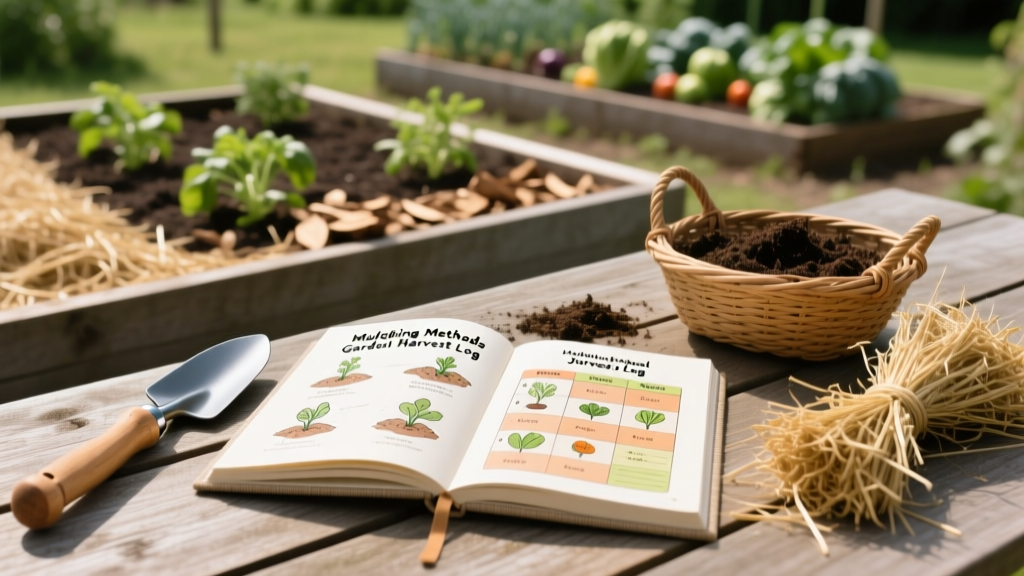
The 2026 Garden Journal: Mulch, Planting & Harvests
James MillerPublished
Introduction to the Mulch-First Journaling Method
As we navigate the shifting climate patterns of 2026, successful home gardening requires more than just tracking seed-starting dates and frost lines. The modern garden journal must bridge the gap between above-ground plant care and below-ground soil ecology. By adopting a mulch-first approach to your garden journal planning, you can meticulously track how different mulching methods and materials influence your planting calendar, soil moisture retention, and ultimate harvest logs. This comprehensive guide will show you how to structure your 2026 garden journal to capture these critical data points, turning your backyard into a highly optimized, resilient ecosystem.
Historically, gardeners treated mulch as an afterthought—a quick layer of straw or wood chips applied to suppress weeds. However, contemporary soil science emphasizes that mulch is a dynamic, active participant in the soil food web. According to the USDA Natural Resources Conservation Service, maintaining a continuous layer of organic residue is fundamental to building soil organic matter, regulating temperature, and fostering beneficial microbial life. When you integrate mulch tracking directly into your planting calendar and harvest log, you begin to see the direct correlation between your mulching methods and your crop yields.
Designing the 2026 Planting Calendar with Mulch Milestones
Your 2026 planting calendar should not merely list when to sow seeds or transplant seedlings; it must also schedule specific mulching milestones. Different crops and seasons demand different mulching strategies, and your journal is the command center for these operations.
Pre-Season Sheet Mulching Tracker
For new garden beds or areas needing rehabilitation, late winter and early spring are ideal for sheet mulching. Create a dedicated section in your journal's January and February pages to track the application of overlapping carbon-rich materials (like cardboard and arborist wood chips). Log the exact depth of each layer and the date of application. By tracking this, you can reference your journal in April to see if the underlying sod has sufficiently decomposed to allow for direct planting of transplants like tomatoes and peppers.
Synching Mulch Application with Transplanting
When planning your spring and summer planting calendar, add a column specifically for 'Mulch Type and Depth.' For instance, if you are planting cucurbits (squash, cucumbers) in late May, your calendar should note the immediate application of a 3-inch layer of clean straw. The Royal Horticultural Society (RHS) notes that organic mulches applied in mid-spring help conserve vital soil moisture as summer temperatures begin to spike. By logging the exact date you mulch relative to the date you plant, you can later analyze whether immediate mulching resulted in better transplant survival rates compared to beds mulched a week later.
The Mulch Material Master Log
To make informed decisions throughout the 2026 growing season, your journal must contain a master reference log of the mulching materials you have on hand or plan to source. This comparison chart helps you match the right material to the right crop based on carbon-to-nitrogen (C:N) ratios and decomposition speeds.
| Mulch Material | C:N Ratio | Best Application | Decomposition Rate | 2026 Est. Cost |
|---|---|---|---|---|
| Wheat Straw | 80:1 | Vegetable rows, pathways | Medium (1 season) | $0.15 / cu ft |
| Arborist Wood Chips | 400:1 | Perennials, orchards, paths | Slow (2-3 years) | $0.05 / cu ft (often free) |
| Crimson Clover (Living) | 15:1 | Alleyways, fallow beds | N/A (Terminated/Mowed) | $0.08 / sq ft (seed) |
| Pine Needles (Straw) | 80:1 | Acid-loving plants, berries | Slow (1-2 years) | $0.22 / cu ft |
| Composted Leaves | 40:1 | Seed starting, top-dressing | Fast (3-6 months) | Free (if collected) |
Use this table in your journal to cross-reference your planting plans. If you are planting heavy feeders like brassicas, your journal notes should remind you to avoid using fresh, high-carbon wood chips directly against the stems, as microbial breakdown will temporarily tie up soil nitrogen. Instead, the journal will direct you to use composted leaves or a living mulch that fixes nitrogen.
Integrating Smart Soil Sensors into Your Daily Logs
In 2026, the integration of smart home technology into the garden is more accessible than ever. Wireless soil moisture and temperature probes can transmit data directly to your smartphone, but the true value lies in transcribing these weekly averages into your physical or digital garden journal. Create a weekly 'Mulch Efficacy Log' where you record the soil moisture percentage under different mulch types.
For example, you might log that the bed mulched with 3 inches of straw maintained a consistent 45% soil moisture level during a July heatwave, while the bare-soil control bed dropped to 15%. The University of Minnesota Extension emphasizes that proper mulch depth is critical for insulating soil from extreme temperature fluctuations and preventing moisture evaporation. By tracking these metrics in your journal, you remove the guesswork from your irrigation schedule, saving water and preventing fungal diseases caused by overwatering.
The Harvest Log: Measuring Mulch ROI
The ultimate test of any gardening method is the harvest. Your 2026 harvest log must be expanded to include mulch variables. When you weigh and record your yields, dedicate specific columns to capture the mulching context of that harvest. This allows you to calculate the Return on Investment (ROI) for the time and money spent on mulching materials.
Essential Columns for the 2026 Harvest Log
- Crop & Variety: e.g., 'San Marzano Tomatoes'
- Mulch Type Used: e.g., 'Wheat Straw'
- Mulch Depth at Planting: e.g., '3 inches'
- Weed Pressure (1-5 Scale): A subjective score of how much time was spent weeding the bed.
- Total Yield (lbs): The cumulative weight of the harvest from that specific bed.
- Fruit Quality Notes: e.g., 'Zero blossom end rot, fruit kept clean off the soil.'
By the end of the 2026 season, you can review your harvest log and draw powerful conclusions. You might discover that your bush beans grown under a living mulch of white clover yielded 15% less than those grown in straw due to competition for sunlight and water, prompting a change in your 2027 planting calendar. Conversely, you may find that your garlic crop, mulched heavily with composted leaves, produced significantly larger bulbs with virtually zero weed pressure.
End-of-Season Decomposition and Soil Health Review
As autumn arrives and the 2026 growing season winds down, your journal must transition into an end-of-season review. This is the time to assess how your chosen mulching methods held up over the months. Walk through your garden with your journal and rate the decomposition state of each mulch type.
Did the grass clippings you applied in June break down completely into rich humus by September? Did the wood chips in your perennial borders remain intact, requiring no replenishment? Documenting these observations ensures that your 2027 budget and material sourcing plans are highly accurate. Furthermore, taking a core soil sample from beneath your most successful mulch layers and sending it to a local lab can provide a quantitative baseline for your journal. Logging the resulting soil organic matter percentage gives you a concrete metric to beat in the years to come.
Actionable Template for Your 2026 Journal Setup
To get started immediately, grab a blank notebook or open your preferred digital gardening app and create the following four master spreads:
- The Material Sourcing Ledger: Track where you buy or source mulch, the cost per cubic yard, and the delivery dates.
- The Mulch-Integrated Planting Calendar: A month-by-month view pairing seed-sowing dates with corresponding mulch application schedules.
- The Weekly Moisture & Weed Tracker: A grid for logging sensor data and weeding times to evaluate mulch efficacy.
- The Contextual Harvest Log: The yield-tracking table detailed above, linking final crop weights directly to the mulch environment they grew in.
By treating mulch not as a passive backdrop, but as an active, measurable variable in your garden journal, you elevate your gardening from a hobby to a refined, data-driven practice. The insights you gather throughout 2026 will compound, leading to richer soil, more resilient plants, and bountiful harvests for seasons to come.
