
Landscaping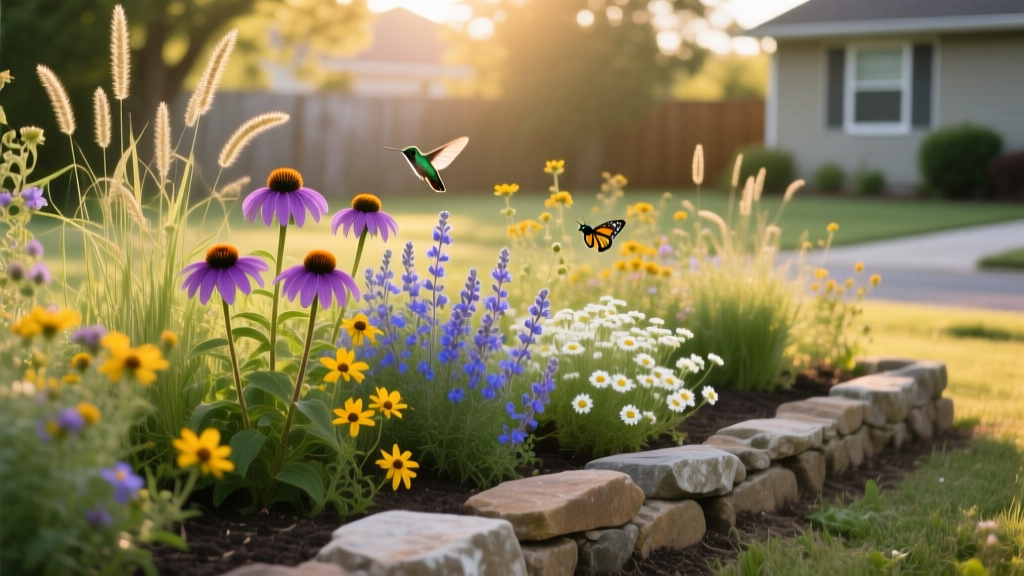
Beginner Guide to Growing a Native Pollinator Garden Bed
James MillerPublished
Introduction to Native Pollinator Garden Beds
Transforming a patch of unused, water-thirsty lawn into a thriving native pollinator garden bed is one of the most rewarding landscaping projects a beginner can undertake. Not only does this sustainable landscaping practice dramatically boost your curb appeal, but it also provides critical habitat for local wildlife, including bees, butterflies, and beneficial insects. For new gardeners, the idea of designing and planting a garden bed from scratch can feel overwhelming. However, by focusing on native species, you are setting yourself up for success. Native plants are inherently adapted to your local climate, soil conditions, and rainfall patterns, meaning they require significantly less maintenance, fertilizer, and supplemental watering once established. This beginner-friendly growing guide will walk you through every step of the process, from site selection and soil preparation to plant selection and long-term maintenance, ensuring your new landscape feature thrives for years to come.
Why Choose Native Plants for Landscaping?
Before breaking ground, it is essential to understand why native plants are the cornerstone of sustainable landscaping. According to the Environmental Protection Agency (EPA), landscaping with native species reduces the need for chemical fertilizers and pesticides, conserves water, and prevents soil erosion. Unlike exotic ornamental plants that may struggle to adapt to local extremes, native plants have deep, extensive root systems that help break up compacted soil and improve water infiltration. Furthermore, native flora has co-evolved with local pollinators. The Xerces Society for Invertebrate Conservation emphasizes that native plants provide the specific nectar, pollen, and host structures that local bee and butterfly populations need to complete their life cycles. By choosing natives, you are not just growing a garden; you are restoring a vital piece of the local ecosystem.
Selecting the Right Location and Preparing the Soil
The success of your pollinator garden bed begins long before you purchase your first plant. Start by observing your yard to find a location that receives at least six to eight hours of direct sunlight daily, as most high-nectar pollinator plants thrive in full sun. Avoid areas with heavy foot traffic or spots where water tends to pool after a rainstorm, unless you are specifically designing a rain garden.
Once you have chosen your site, it is time to prepare the soil. If you are converting a section of existing turfgrass, you will need to remove the sod. You can do this manually with a flat-edged spade or by using a technique called sheet mulching. Sheet mulching involves covering the grass with overlapping layers of plain cardboard and topping it with three to four inches of organic compost or topsoil. This method suppresses the grass naturally while enriching the soil beneath.
Before planting, conduct a basic soil test to determine your pH and nutrient levels. You can purchase a DIY testing kit from a garden center for about fifteen dollars, or send a sample to your local university cooperative extension office for a comprehensive analysis, which typically costs between twenty and thirty dollars. Most native pollinator plants prefer a slightly acidic to neutral soil pH, typically between 6.0 and 7.0. If your soil is heavy clay, amend it by mixing in two inches of organic compost to improve drainage. If your soil is overly sandy, compost will help increase its water-retention capabilities. Avoid using synthetic fertilizers, as they can promote excessive, weak foliage growth at the expense of flower production.
Top Beginner-Friendly Native Plants for Pollinators
When selecting plants, aim for a diverse mix that offers continuous blooms from early spring through late fall. This ensures that pollinators have a steady food source throughout the growing season. Below is a comparison chart of five highly adaptable, beginner-friendly native perennials that are widely available at local nurseries and garden centers.
| Plant Name | Sun Requirements | Bloom Season | Mature Height | USDA Hardiness Zones |
|---|---|---|---|---|
| Purple Coneflower (Echinacea purpurea) | Full Sun | Summer to Fall | 2 to 4 feet | 3 to 8 |
| Black-Eyed Susan (Rudbeckia hirta) | Full Sun | Summer | 2 to 3 feet | 3 to 7 |
| Wild Bergamot (Monarda fistulosa) | Full to Part Sun | Mid-Summer | 2 to 4 feet | 3 to 9 |
| New England Aster (Symphyotrichum novae-angliae) | Full Sun | Late Summer to Fall | 3 to 6 feet | 4 to 8 |
| Butterfly Weed (Asclepias tuberosa) | Full Sun | Early to Mid-Summer | 1 to 2 feet | 3 to 9 |
These species are not only visually striking but also serve as critical host plants. For instance, the National Wildlife Federation highlights that Asclepias species (Milkweeds) are the sole host plants for Monarch butterfly caterpillars. Incorporating Butterfly Weed into your landscape design directly supports the conservation of this iconic, migrating species.
Step-by-Step Planting Guide
Timing is crucial when establishing a new garden bed. The best times to plant perennials are in early spring, after the last frost date, or in early fall, at least six weeks before the first expected freeze. This allows the plants to establish their root systems without the stress of peak summer heat.
Step 1: Layout and Spacing
Arrange your potted plants on the prepared soil bed while they are still in their nursery containers. Group plants in odd numbers (clusters of three or five) for a more natural, aesthetically pleasing landscape design. Place taller species like New England Aster and Wild Bergamot toward the back or center of the bed, and shorter species like Butterfly Weed toward the edges. Space the plants 12 to 18 inches apart to allow for mature growth and adequate air circulation, which helps prevent fungal diseases.
Step 2: Digging the Holes
Using a hand trowel or garden spade, dig a hole that is twice as wide as the plant's root ball but no deeper. Planting too deep can cause the crown of the plant to rot. The top of the root ball should sit level with or slightly above the surrounding soil grade.
Step 3: Planting and Backfilling
Gently remove the plant from its pot. If the roots are circling tightly around the bottom, gently tease them outward with your fingers to encourage them to grow into the surrounding soil. Place the plant in the hole and backfill with the native soil you removed, pressing down gently to eliminate large air pockets. Avoid adding heavy fertilizers or rich potting soil directly into the hole, as this can discourage the roots from expanding into the native earth.
Step 4: Watering and Mulching
Water the newly planted bed deeply immediately after planting to settle the soil. Apply a two-inch layer of organic mulch, such as shredded hardwood bark or leaf mold, around the base of the plants. Keep the mulch a few inches away from the direct stems of the plants to prevent rot. Mulch is essential for retaining soil moisture, suppressing weed competition, and regulating soil temperature during the critical establishment phase.
Maintenance and Long-Term Care
One of the greatest advantages of a native pollinator garden is its low-maintenance nature, but the first year requires some attentive care. During the first growing season, water your garden bed deeply once or twice a week, providing about one inch of water per week if rainfall is insufficient. Deep, infrequent watering encourages roots to grow downward, making the plants more drought-tolerant in subsequent years.
Weeding is also necessary during the first year while the perennials are filling in. Hand-pull weeds carefully to avoid disturbing the shallow roots of your new plants. As the native plants mature and their canopies close, they will naturally shade out most annual weeds. Another crucial aspect of beginner-friendly garden care is learning to tolerate a certain amount of insect damage. If you see holes in the leaves of your Butterfly Weed or Wild Bergamot, do not reach for chemical pesticides. These holes are a sign of success, indicating that caterpillars are actively feeding and completing their life cycles. If an outbreak of non-native pests like aphids occurs, use a strong blast of water from your garden hose or apply an organic insecticidal soap in the early evening to avoid harming active foraging bees. After three or four years, your perennials may become overcrowded. You can divide them in early spring using a sharp spade, replanting the divisions to expand your garden bed or sharing them with fellow gardening neighbors.
In terms of pruning and cleanup, resist the urge to treat your pollinator garden like a traditional, highly manicured landscape. In late fall, leave the dead flower stalks and seed heads standing. The Xerces Society strongly advises against aggressive fall cleanup, as hollow stems provide essential overwintering habitat for native solitary bees, and seed heads provide crucial winter forage for songbirds like goldfinches and chickadees. Wait until early spring, when daytime temperatures consistently reach 50 degrees Fahrenheit, to cut back the dead foliage. By adopting these sustainable landscaping practices, your beginner-friendly garden bed will evolve into a vibrant, self-sustaining ecosystem that brings life, color, and ecological value to your outdoor living space for decades.

