Home & Garden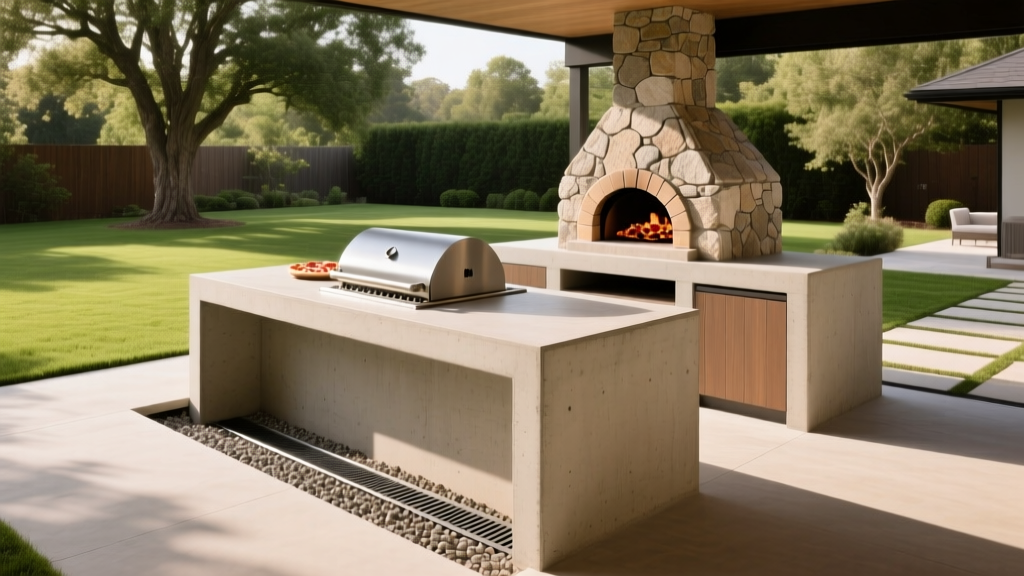
2026 Outdoor Kitchen & Pizza Oven French Drain Guide
Sarah ChenPublished
The 2026 Outdoor Kitchen Boom and the Hidden Water Threat
As we navigate 2026, the evolution of backyard living spaces has reached new heights. Homeowners are no longer satisfied with a simple freestanding grill; the modern standard is a fully integrated outdoor kitchen featuring built-in gas grills, refrigeration, and masonry pizza ovens. However, as these structures become heavier and more complex, the critical importance of foundational water management is often overlooked. Installing a high-end built-in grill and a refractory pizza oven without a proper French drain system is a recipe for structural disaster. Hydrostatic pressure, soil erosion, and frost heave can easily compromise the concrete footings required to support a 1,500-pound pizza oven, leading to cracked masonry, severed gas lines, and ruined cabinetry.
From the perspective of a drainage specialist, designing an outdoor kitchen is fundamentally an exercise in water diversion. According to foundational landscaping principles outlined by This Old House, managing groundwater and surface runoff is the single most important factor in preserving hardscapes and heavy masonry structures. This guide will walk you through the precise methodology of integrating a heavy-duty French drain system into your outdoor kitchen and pizza island design, ensuring your culinary oasis survives the elements for decades.
Why Pizza Ovens and Built-In Grills Demand Superior Drainage
Unlike a standard patio, an outdoor kitchen island concentrates immense weight onto a relatively small footprint. A premium built-in pizza oven, such as the Alfa Forni Nano or the Chicago Brick Oven CBO-750, requires a reinforced concrete slab or block foundation. If the soil beneath this foundation becomes saturated, it loses its load-bearing capacity. In freezing climates, this trapped water expands, causing frost heave that will crack the oven's refractory dome and misalign the built-in grill's gas connections.
Furthermore, modern outdoor kitchens in 2026 are wired with smart home technology, LED task lighting, and weatherproof entertainment systems. Water pooling around the base of the island can wick up through the masonry via capillary action, leading to efflorescence, mold growth inside the cabinetry, and catastrophic electrical shorts. A perimeter French drain intercepts this water before it can threaten your investment.
Planning the Layout: Grill, Oven, and Drain Placement
Before you pour a single yard of concrete, you must map out the drainage topology. The goal is to create a sloped trench that completely encircles the outdoor kitchen island, capturing water from the roof overhang (if applicable), the surrounding patio, and the natural grade of your yard.
1. Establishing the Slope
A French drain relies on gravity. The trench must maintain a minimum slope of 1/8 inch per foot, though 1/4 inch per foot is highly recommended for areas surrounding heavy structures to ensure rapid evacuation during severe 2026 storm events. Use a laser level to establish your benchmark from the highest point of the yard down to your planned discharge area or dry well.
2. Trench Dimensions for Heavy Loads
For standard yard drainage, a 6-inch wide by 12-inch deep trench might suffice. However, for an outdoor kitchen supporting a pizza oven, you need a wider drainage envelope to prevent soil destabilization near the footing. Plan for a trench that is 12 inches wide and 18 to 24 inches deep, positioned at least 18 inches away from the exterior edge of your planned concrete footer.
Step-by-Step French Drain Installation for Kitchen Islands
Executing a French drain around a masonry island requires specific materials that can withstand the immense lateral pressure of the surrounding soil and the weight of the nearby structure. As recommended by drainage experts at NDS Pro, using the correct pipe and aggregate is non-negotiable.
Step 1: Excavation and Soil Compaction
Dig your perimeter trench to the established depth and slope. Once excavated, use a mechanical plate compactor to tamp the native soil at the bottom of the trench. This prevents the drain bed from settling over time, which would ruin your slope and cause water to pool inside the pipe.
Step 2: Landscape Fabric Lining
Line the trench with a high-quality, non-woven geotextile landscape fabric. Leave at least 12 inches of excess fabric hanging over the edges of the trench. This fabric is critical; it prevents fine clay and silt from migrating into your gravel bed and clogging the perforations in your drain pipe.
Step 3: Gravel Base and Pipe Placement
Add a 2-inch base layer of 3/4-inch washed drainage rock (never use pea gravel, as it does not interlock and provides poor structural support). Lay your perforated pipe on top of this base, ensuring the perforations face downward. This counter-intuitive placement allows water entering from the sides and bottom to enter the pipe more efficiently while minimizing sediment intake.
Step 4: Backfilling and Wrapping
Cover the pipe with more washed drainage rock until you are within 4 inches of the surface grade. Fold the excess landscape fabric over the top of the gravel, creating a complete 'burrito' wrap. Top the final 4 inches with decorative river rock or soil that matches your surrounding patio design, ensuring water can easily permeate down to the drain bed.
Material Comparison: Choosing the Right Pipe for 2026 Builds
Not all drainage pipes are created equal. When building near a 2,000-pound outdoor kitchen structure, the lateral earth pressure can easily crush standard corrugated tubing. Below is a comparison of the primary drainage materials available for heavy-load applications in 2026.
| Pipe Material | Best Use Case | 2026 Avg Cost (per 10ft) | Crush Resistance | Longevity |
|---|---|---|---|---|
| Schedule 40 PVC (SDR 35) | Directly adjacent to pizza oven footings and heavy masonry walls. | $22.00 | Extremely High | 50+ Years |
| Triple-Wall Corrugated | Mid-yard runoff collection away from the main kitchen island. | $16.00 | Medium | 20-30 Years |
| Standard Black Corrugated | Temporary drainage or light garden beds (Not recommended for kitchens). | $8.00 | Low | 10-15 Years |
Expert Verdict: Always invest in Schedule 40 PVC or SDR 35 solid-wall pipe for the immediate perimeter of your outdoor kitchen. The slight increase in material cost is entirely justified by the protection it offers to your built-in grill and pizza oven foundation.
Integrating Utilities: Gas, Electric, and Drainage
One of the most complex aspects of outdoor kitchen design is routing utilities through or under the drainage zone. Your gas lines, electrical conduits, and plumbing must never share the same trench as your French drain gravel bed, as the shifting aggregate can damage lines over time.
According to best practices highlighted by Family Handyman, all utility lines should be sleeved in solid, non-perforated PVC pipes before passing under the patio or near the drainage zone. If your electrical conduit must cross the French drain trench, it should be placed at least 6 inches below the bottom of the drain gravel bed in undisturbed soil, encased in a protective sleeve. This ensures that if the French drain ever needs to be flushed or maintained, your smart grill thermometers and outdoor refrigerator power supplies remain completely isolated and safe.
Smart Home Integration for Drainage Monitoring
The smart home revolution of 2026 extends to the backyard. Because a clogged French drain can lead to silent, catastrophic water damage to your outdoor kitchen cabinetry, integrating a smart water sensor is a highly recommended upgrade. By placing a Wi-Fi-enabled water freeze sensor (such as the Moen Flo or similar 2026 ecosystem devices) inside the drain's discharge catch basin or dry well, you can receive instant smartphone alerts if water levels rise too high or if the discharge pipe freezes during winter months. This proactive monitoring ensures your drainage system is functioning correctly before a heavy spring thaw floods your pizza oven's base.
Final Thoughts on Foundation Protection
Designing an outdoor kitchen with a built-in grill and pizza oven is a significant financial and emotional investment. While the allure of granite countertops and high-BTU burners often takes center stage, the unseen infrastructure beneath the soil dictates the lifespan of your project. By prioritizing a robust, properly sloped French drain system using heavy-duty PVC and washed aggregate, you effectively bulletproof your outdoor kitchen against the destructive forces of water. Plan your drainage first, build your island second, and enjoy a flawless, structurally sound backyard culinary experience for decades to come.
