Home & Garden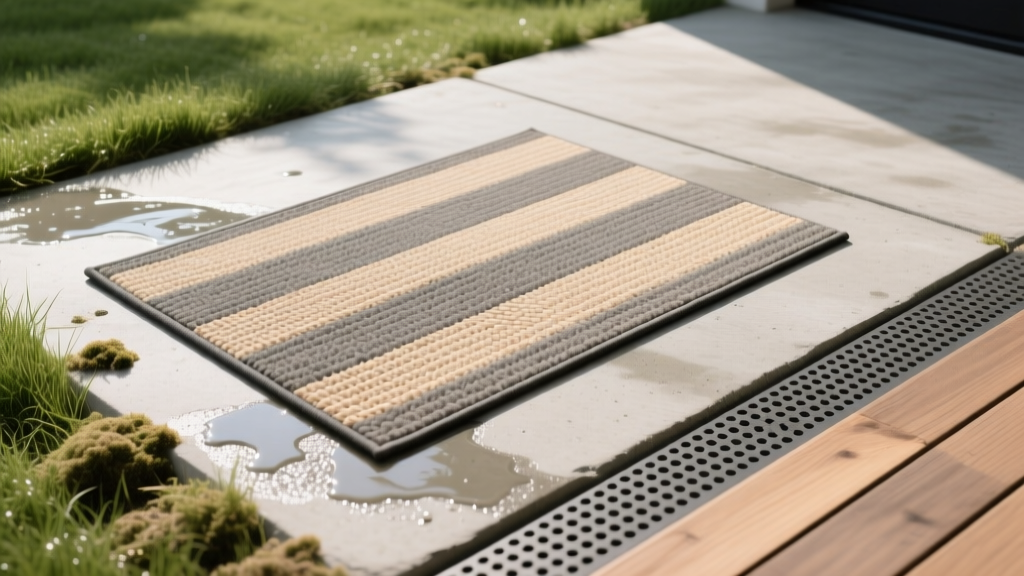
2026 Outdoor Rug Pads: Drainage For Concrete Vs Deck Patterns
Emily WatsonPublished
The Intersection of Lawn Striping and Hardscape Rugs
For decades, lawn care enthusiasts have relied on striping kits to create that pristine, stadium-like aesthetic on their turf. The visual psychology of lawn striping—alternating light and dark bands created by bending grass blades in opposite directions—signals a meticulously maintained landscape. But what happens when your outdoor living space transitions from soft turf to hard hardscapes like concrete patios or composite decks? In 2026, the premier method for bridging this aesthetic gap is the use of geometric, striped, and checkerboard outdoor rugs that mimic the visual rhythm of a freshly striped lawn.
However, achieving this flawless aesthetic on hardscapes requires more than just a beautiful woven rug. The unsung hero of the striped hardscape aesthetic is the outdoor rug pad. Without the correct pad, moisture becomes trapped, leading to mold, mildew, and material degradation. Dark mildew spots will instantly ruin the crisp, high-contrast visual lines of a striped pattern. Furthermore, the drainage requirements for a solid concrete slab differ vastly from those of a slatted wooden or composite deck. Choosing the wrong pad not only damages your hardscape but destroys the aesthetic illusion of a manicured, striped outdoor oasis.
Why Drainage is the Foundation of Aesthetic Outdoor Rugs
When replicating lawn striping patterns on a patio, contrast is everything. You want the 'light' and 'dark' bands of your outdoor rug to remain vibrant and distinct. Poor drainage beneath the rug creates a microclimate of stagnant water, especially after heavy spring rains or morning dew accumulation. According to the United States Environmental Protection Agency (EPA), mold and mildew can begin to grow on damp, organic, or dust-laden surfaces within 24 to 48 hours. If your rug pad does not facilitate rapid water evacuation, the resulting fungal growth will stain the rug backing and bleed through to the surface, turning your crisp aesthetic stripes into a mottled, unkempt mess.
Proper drainage also ensures the rug remains perfectly flat. A rug that traps water will bubble and warp as the moisture attempts to evaporate, causing the geometric lines and stripes to look crooked and uneven. To maintain that 'freshly mowed and striped' illusion, the pad must act as an aggressive moisture-wicking and airflow channel.
Concrete Surfaces: Heat, Moisture, and Pad Selection
Concrete patios present a unique set of challenges for outdoor rugs. Unlike wood decks, concrete is a solid, non-porous slab that holds surface tension. When it rains, water pools on the concrete and has nowhere to go but to evaporate upward or run off the edges. If a flat, non-perforated rug pad is placed on concrete, it acts like a suction cup, trapping water against the slab and the rug backing.
For concrete surfaces in 2026, the gold standard is the open-grid PVC rug pad. These pads feature a thick, waffle-like matrix that elevates the rug a full 1/4 to 1/2 inch off the concrete. This massive air gap allows water to flow freely beneath the rug, mimicking the natural drainage of soil. Furthermore, concrete absorbs and radiates intense heat during the summer months. A thick PVC grid acts as a thermal break, protecting the rug's synthetic fibers from heat degradation and preventing the backing from melting or fusing to the concrete slab.
2026 Product Spotlight: Look for commercial-grade, UV-stabilized PVC pads. They typically cost between $1.75 and $2.50 per square foot. Ensure the pad is slightly smaller than the rug (trim 1.5 inches from all sides) so the edges of the rug can seal to the concrete, preventing wind from catching the striped pattern and flipping the corners.
Wooden and Composite Decks: Breathability and Scratch Prevention
Wooden and composite decks require a completely different approach. Decks are designed with gaps between the boards to allow water to fall through to the ground below. The primary enemy of a wooden deck is trapped moisture, which leads to wood rot, warping, and structural decay. For composite decking, the 2026 manufacturer warranties are incredibly strict; using the wrong rug pad can void your warranty and cause permanent chemical discoloration on the composite boards.
For wooden and composite decks, you must avoid solid rubber or vinyl pads. Instead, opt for a breathable, low-profile mesh pad or a felt-and-natural-rubber hybrid. The mesh allows maximum downward airflow, ensuring the deck boards can 'breathe' and dry out rapidly after a storm. The natural rubber provides the necessary grip to keep your striped rug perfectly aligned with the deck's parallel board lines, which is crucial for maintaining the visual geometry of the lawn-stripe aesthetic.
Warning for Composite Decks: Never use synthetic latex or petroleum-based rubber pads on modern composite decking. The chemical reaction between the petroleum and the composite's polymer cap can cause severe yellowing or staining. Always verify that the 2026 pad packaging explicitly states 'Safe for Composite and PVC Decking'.
2026 Comparison Chart: Concrete vs. Deck Rug Pads
To help you select the right foundation for your aesthetic outdoor rugs, review the comparison table below detailing the best pad specifications for concrete versus deck surfaces.
| Feature | Concrete Patio Pad | Wood / Composite Deck Pad |
|---|---|---|
| Material | Open-Grid UV-Stabilized PVC | Breathable Polypropylene Mesh or Natural Rubber/Felt |
| Thickness | 1/4" to 1/2" (High Profile) | 1/8" to 1/4" (Low Profile) |
| Drainage Mechanism | Lateral water flow beneath the grid | Vertical airflow and downward water passage |
| Primary Protection | Prevents mold, concrete staining, and heat fusion | Prevents wood rot, composite discoloration, and scratching |
| 2026 Avg. Cost | $1.75 - $2.50 per sq. ft. | $1.20 - $1.80 per sq. ft. |
| Aesthetic Benefit | Provides heavy cushioning to keep thick striped rugs flat | Low profile prevents tripping and keeps geometric lines taut |
Step-by-Step Installation for Perfect Pattern Alignment
The visual impact of a lawn-stripe pattern relies entirely on straight, parallel lines. If your rug is crooked, the illusion is broken. Follow these steps to ensure your rug and pad are perfectly aligned on your hardscape:
- Establish a Baseline: Use a chalk line to snap a perfectly straight line parallel to your home's foundation or the primary edge of your deck. This is your visual anchor.
- Lay the Pad: Unroll your PVC or mesh pad, aligning one edge precisely with your chalk line. Allow the pad to acclimate and flatten in the sun for 2-3 hours.
- Trim for Overhang: Using heavy-duty shears, trim the pad so it sits 1.5 inches inside the perimeter of where your rug will sit. This ensures the pad remains hidden, maintaining a clean, tailored aesthetic.
- Position the Rug: Unroll your striped outdoor rug over the pad. Ensure the primary stripes run parallel to your baseline. If the stripes run perpendicular to the house, it will make the patio look wider; if parallel, it will make the space look longer.
- Secure the Corners: On concrete, you can use outdoor-rated, clear silicone dots on the very corners of the rug backing to prevent wind-lift. On decks, the natural grip of the mesh pad is usually sufficient, but you can use stainless-steel rug clips hidden under the deck boards for high-wind areas.
Long-Term Maintenance and Mold Prevention
Even with the best drainage pad, routine maintenance is required to keep your hardscape stripes looking sharp. The Centers for Disease Control and Prevention (CDC) notes that controlling indoor and outdoor moisture is the single most effective way to prevent mold proliferation. Every two weeks, lift the corners of your rug to inspect the pad and the hardscape surface. If you notice debris accumulation—such as fallen leaves or pine needles trapped in the PVC grid or mesh—sweep them away immediately. Organic debris holds moisture and accelerates mildew growth.
At the start and end of the 2026 outdoor season, power wash your concrete patio or use a specialized composite deck cleaner on your wood/PVC boards. Simultaneously, hose down your rug pad with a mixture of water and white vinegar to kill any nascent fungal spores. By treating the rug pad as an active, maintainable component of your landscape rather than a hidden afterthought, you ensure that your outdoor living space perfectly mirrors the crisp, immaculate beauty of a professionally striped lawn.
